The Tenerife Fiesta & Events Guide
Tenerife celebrates almost non-stop. Some weekend there is always a fiesta somewhere on the island: a quiet patron-saint feast in a mountain village, a roaring carnival, or a kilometres-long pilgrimage with oxen and decorated carts. This guide explains what actually happens at these events, when to look for them and how to prepare, so you arrive as a knowing participant rather than a passer-by.
What kinds of fiesta are there

Canarian celebrations fall into a few clear families, each with its own mood and season.
- Carnivals (winter and early spring). The most spectacular, urban and nocturnal events of the whole calendar.
- Holy Week, or Semana Santa (usually March or April). Solemn religious processions on a movable date.
- Corpus Christi and its carpets (late spring). Streets covered with pictures made of flowers and coloured sand.
- Midsummer fire nights (June). The Night of San Juan, with beach bonfires and fireworks.
- Romerías, the folk pilgrimages (spring to autumn, peaking in summer). Pure folklore: oxen, decorated carts, regional dress and free food and wine.
- Patron-saint fiestas (mostly summer). Almost every town honours its saint with Mass, a procession, fireworks and open-air dances.
- Wine and harvest feasts (autumn). San Andrés marks the new wine, with chestnuts and folk fun.
- Modern festivals (all year, busiest in summer). Concerts and cultural festivals, the island's contemporary face.
The key dates of the year

One caveat first: many dates are movable because they follow the religious calendar, and programmes are often published quite late. Always check the current agenda just before you travel.
- Carnival of Santa Cruz de Tenerife (February or March). Considered the world's second-biggest carnival after Rio, with a yearly theme, the election of the Carnival Queen, satirical murga groups, comparsa dancers and a famous Drag Queen Gala.
- Holy Week, Semana Santa (March or April). The most beautiful processions are in La Laguna, including the night-time one.
- Día de la Cruz in Santa Cruz (around 3 May). Flower-decked May crosses and a night fireworks contest between neighbourhoods.
- The fireworks of Los Realejos (May). Rated among the best pyrotechnic displays in Europe.
- Corpus Christi in La Orotava and La Laguna (May or June). La Orotava builds a huge picture from natural sand brought down from Mount Teide, while the surrounding streets are covered in flower carpets.
- Día de Canarias (30 May). Canary Islands Day, with folklore, regional dress and local food.
- The Night of San Juan (23 and 24 June). Bonfires on the beaches; in Puerto de la Cruz, goats are traditionally bathed in the sea.
- Romería de San Benito Abad in La Laguna (early July). One of the island's largest folk pilgrimages.
- Virgen del Carmen (around 16 July). The patroness of fishermen, whose statue is carried out to sea on boats in coastal towns.
- Romería de San Roque in Garachico (around 16 August). A picture-perfect pilgrimage in one of the prettiest towns.
- Virgen de Candelaria in Candelaria (14 and 15 August). The islands' most important religious feast, honouring the patroness of the Canaries, with a night pilgrimage of thousands and a re-enactment of her appearance to the Guanches.
- Corazones de Tejina in La Laguna (late August). Rival neighbourhoods carry huge, lavishly decorated hearts.
- Fiesta del Cristo in La Laguna (mid-September). Processions, a funfair and excellent fireworks.
- Virgen del Socorro in Güímar (7 and 8 September). The oldest documented romería on the island.
- San Andrés (29 and 30 November). The new-wine feast: in Icod de los Vinos people slide down steep streets on wooden boards, and in Puerto de la Cruz they drag clattering tins along the cobbles.
On top of all this, patron-saint fiestas run through every summer in almost every town, and it is these that set the island's everyday rhythm of celebration.
What to wear

Clothing matters here, and getting it right is also a mark of respect for the tradition.
- Romería: the traditional mago outfit. Men wear a white shirt, dark trousers, a colourful sash (the faja), a waistcoat and a hat; women wear a long skirt, an embroidered blouse, a shawl and an apron, often in white and red. This is why white shirts and blouses dominate a romería.
- Carnival: fantasy costumes. The more glitter, feathers and imagination, the better. Comparsa and murga groups wear matching, elaborate outfits, while the daytime Carnaval de Día is looser: any costume and good humour will do.
- The Burial of the Sardine, at the end of carnival: black. Here you dress in mourning, as people parody grief by dressing up as wailing widows who escort a giant sardine to the pyre.
- Processions and Holy Week: keep it modest and subdued, without loud colours. Brotherhood members walk in long tunics and tall pointed hoods.
- Verbena, the open-air night dance: comfortable clothes. There is no dress code; what counts is comfortable shoes, because people dance until dawn, and a light jacket, since evenings inland can be cool.
- Día de Canarias: regional dress is welcome, though smart everyday clothes are perfectly fine.
- Good to know: some modern parties are themed, for example a fiesta de blanco where everyone wears white. That is always stated in the announcement.
What actually happens

Each type of celebration follows a different script, so it helps to know what to expect.
- A romería is rural and rustic. A line of decorated carts pulled by oxen moves through the streets, dancers wear regional dress, and parranda bands play guitars and the small Canarian timple. From the carts and stalls people hand out wine, potatoes, gofio and meat to passers-by, usually for free. The energy is joyful and family-friendly.
- A patron-saint fiesta starts solemnly, with Mass and a procession carrying the saint's statue through the streets among flowers and brass bands. After the formal part it loosens up: a funfair and market appear, and in the evening the verbena begins, with a band playing salsa, cumbia and pop hits, often until dawn. It usually ends with fireworks.
- Carnival is the raw energy of a big city: crowds, satire, music and dancing in the streets until daybreak.
- The Night of San Juan leans on the elements, with beach bonfires, jumping over the flames and a midnight swim for luck.
- Corpus Christi is the opposite, quiet and focused: residents spend the whole night laying carpets of flowers and sand, and the crowd walks slowly past these fleeting artworks, which the procession will then tread over.
- San Andrés is the most playful autumn feast, with new-wine tastings, roasted chestnuts and daring board-slides down the slopes.
A quick map of the regions
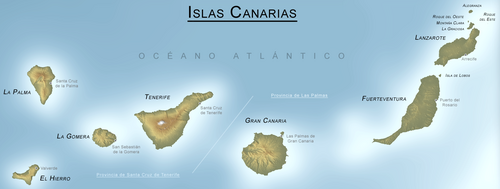
Tenerife splits into a few areas, and knowing them helps you plan: the south is sunny and resort-driven, the north is greener and more traditional, and the metropolitan area around the capital is the cultural heart.

Metropolitan area (Santa Cruz and La Laguna)
The capital and the historic university town. Home of the great Carnival, the Holy Week processions and the Corpus Christi carpets.
North (Puerto de la Cruz, La Orotava, Los Realejos, Icod, Garachico)
Green valleys and old towns. Famous fireworks, the La Orotava sand carpet and the San Andrés wine feast.
South (Arona, Adeje, Granadilla, San Miguel)
Sun, beaches and resorts. More modern festivals and lively summer verbenas, plus the coastal Virgen del Carmen.
Candelaria and the east
The spiritual centre of the islands, with the basilica of the patroness and its huge August pilgrimage.
Month by month
A rough guide to what each month brings. Movable feasts shift a little from year to year.
| Jan / Feb | Carnival season builds up, with the first galas and street parties. |
| Feb / Mar | Carnival of Santa Cruz peaks; the Burial of the Sardine closes it. |
| Mar / Apr | Holy Week processions, especially in La Laguna. |
| May | Día de la Cruz, the Los Realejos fireworks and Día de Canarias (30 May). |
| May / Jun | Corpus Christi carpets in La Orotava and La Laguna. |
| Jun | The Night of San Juan (23 to 24), with bonfires on the beaches. |
| Jul | Romería de San Benito and the maritime Virgen del Carmen (around 16 July). |
| Aug | Peak season: Romería de San Roque, Virgen de Candelaria (14 and 15) and Corazones de Tejina. |
| Sep | Fiesta del Cristo in La Laguna and Virgen del Socorro in Güímar. |
| Oct | Quieter: local patron fiestas and harvest events. |
| Nov | San Andrés (29 and 30): new wine, chestnuts and board-slides. |
| Dec | Christmas markets, nativity scenes (belenes) and New Year in the plazas. |
Practical tips
A few things worth knowing before you go.
- Check dates early. Many are movable and programmes appear late, which is exactly where an always-current agenda like Canarian Pulse helps.
- For Carnival, book accommodation well ahead; rooms in Santa Cruz and Puerto de la Cruz vanish months in advance.
- Use the TITSA guagua buses to get around. Carnival adds extra night services, and parking near the centre is hard, so arrive early or leave the car well away.
- You can usually pay by card, but there are exceptions, especially at village stalls and kiosks during romerías, so it is worth carrying some cash just in case.
- Try the local food: papas arrugadas with mojo, carne fiesta and churros, washed down with vino del país, ron miel and a barraquito coffee.
- Dress in layers. Days can be hot, but evenings, especially inland and in the north, get surprisingly cool, and comfortable shoes are essential.
- Respect the religious parts: keep quiet and discreet during a procession, it is not a backdrop for loud photos.
- In crowds, watch your belongings; near San Juan be careful with fire, and pace your drinking, as fiestas run long.
- Travelling with kids? Romerías and the daytime Carnaval de Día are the easiest and most enjoyable.
- Learn a few words: a shout of ¡Viva! for the patron saint, magos for people in folk dress, and parranda for an impromptu jam. It goes a long way with locals.