
From volcano to the present day
The History of Tenerife
Fire made the island, the Guanches gave it a name, Castile conquered it and the Atlantic trade made it rich. Tenerife's past is not locked away in museums: it is in the street plans of its towns, in the names of its villages and in the fiestas that still fill the calendar. Here is the story in seven chapters.
New series
Towns of Tenerife
The history of the island, one town at a time: in-depth articles built on academic research and primary sources, with every fact referenced. We are adding towns until the whole island is covered.
La Laguna · Towns of Tenerife
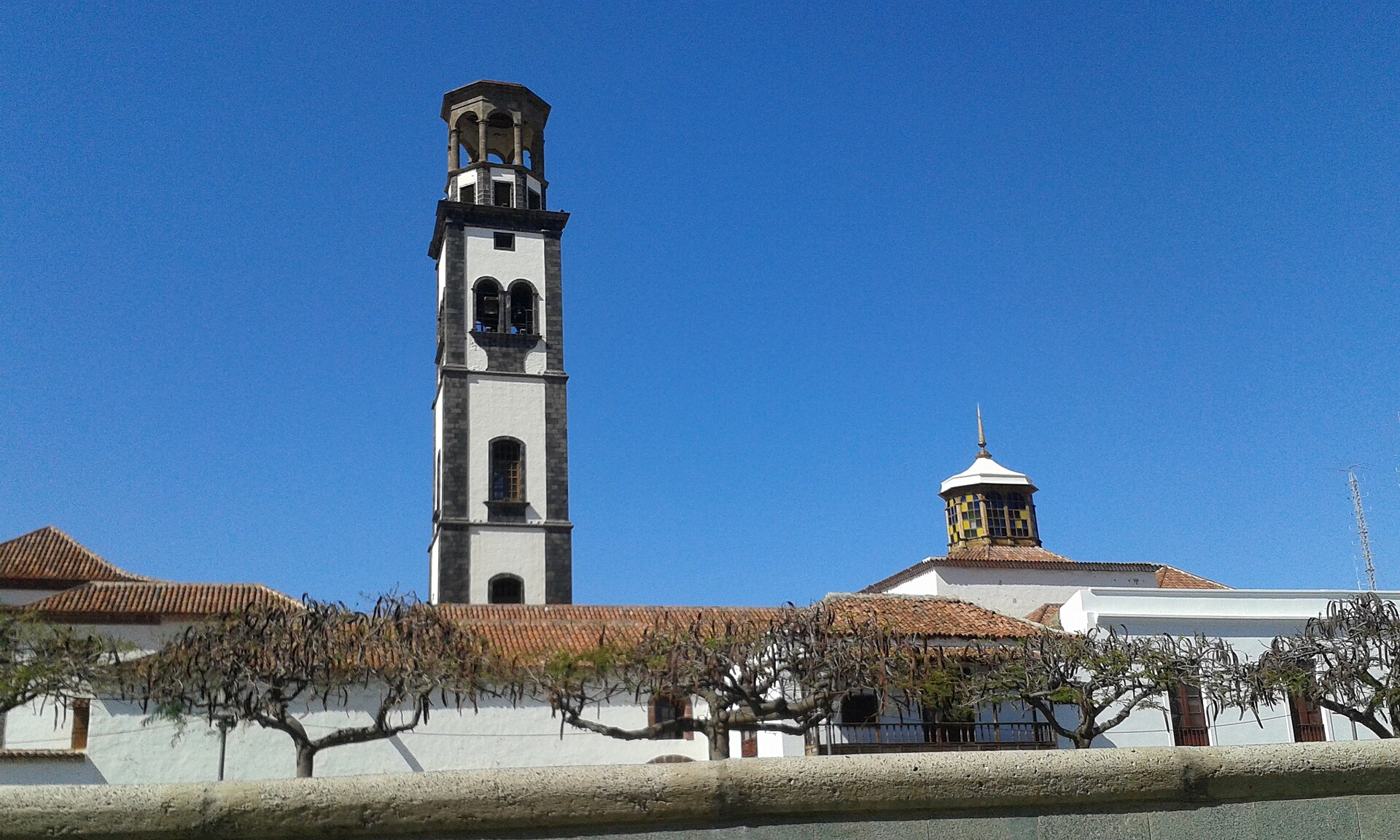
San Cristóbal de La Laguna: a town planned for peace
Laid out on an empty plain at the end of the fifteenth century and never walled, La Laguna became a template for Spanish towns across the Atlantic. Its story, told from the documents.
Read the history →
Garachico · Towns of Tenerife
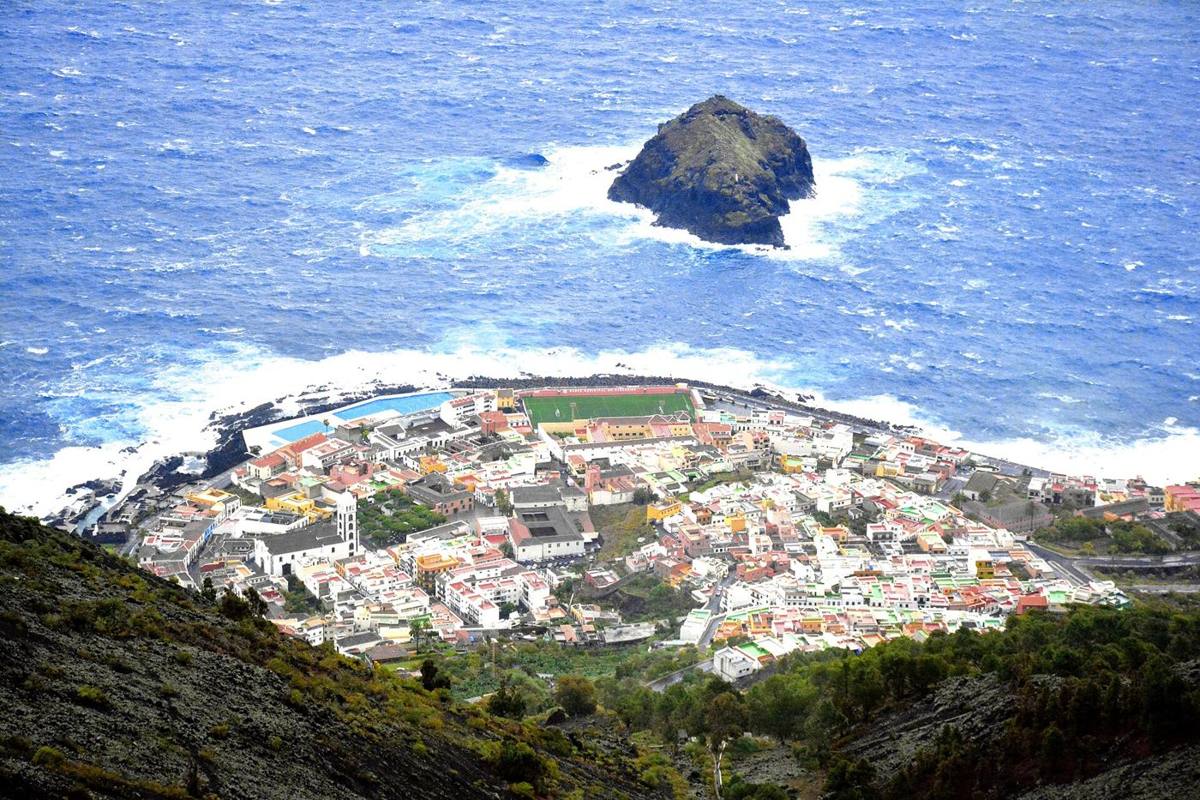
Garachico: the port the volcano took
For two centuries Garachico was Tenerife's great harbour, shipping sugar and malmsey wine to Europe and the Americas. In the spring of 1706 a volcano filled its bay with lava. What the eruption destroyed, and what the town built on top of it.
Read the history →
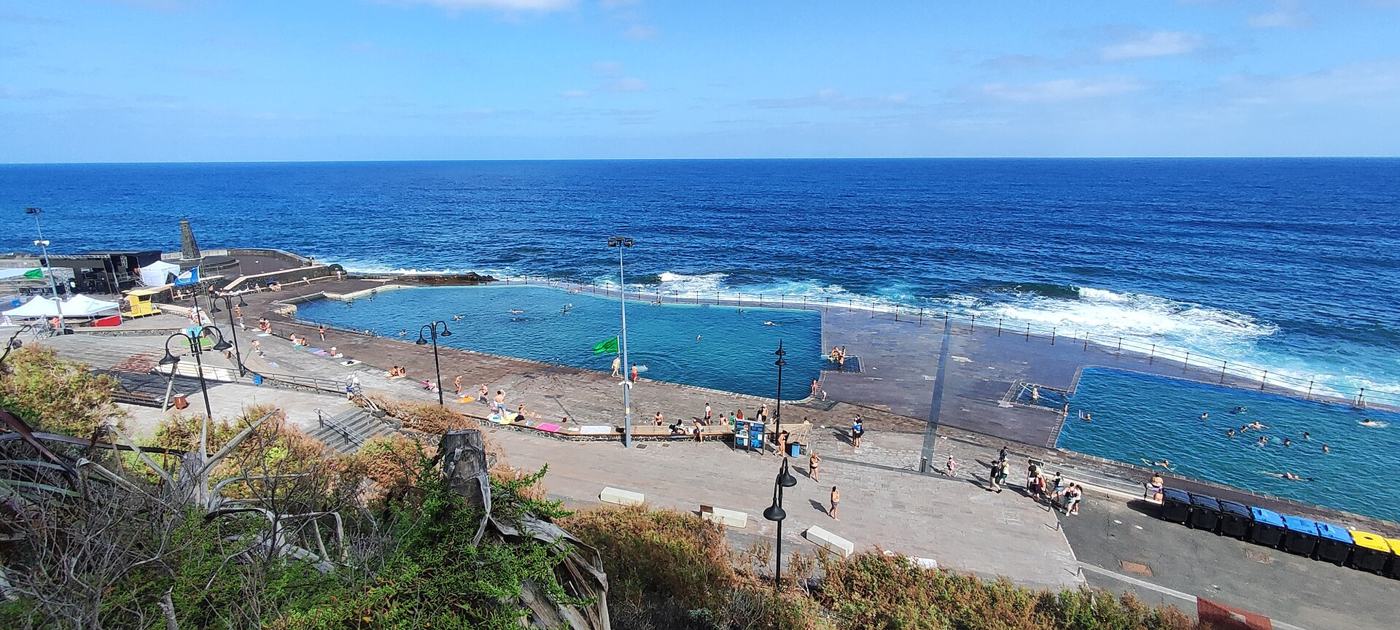
Bajamar · Towns of Tenerife
Bajamar and Punta del Hidalgo: La Laguna's shore
Guanche caves and shell middens, a fishing village around a seventeenth-century chapel, a road built for bananas, the hotels of the 1960s and the surfers of the 1970s. The story of the coast where La Laguna meets the sea.
Read the history →
More towns coming soon
Which town should we cover next? Tell us.
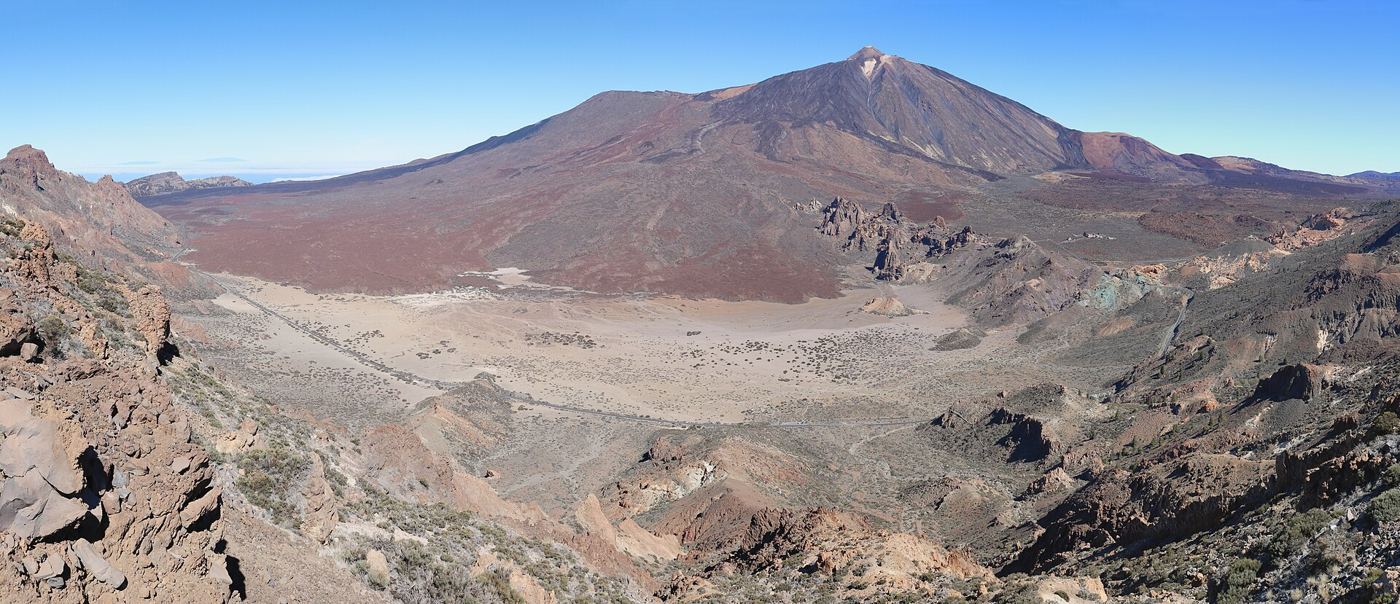
Born of fire
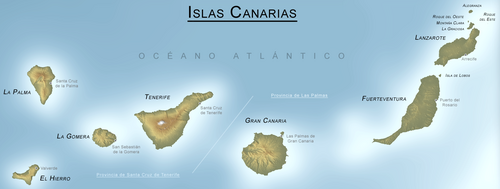
Tenerife rose from the floor of the Atlantic as several separate volcanic islands. The oldest rocks are in the massifs of Anaga in the north-east, Teno in the north-west and Adeje in the south; later eruptions filled the gaps between them and welded a single island together.
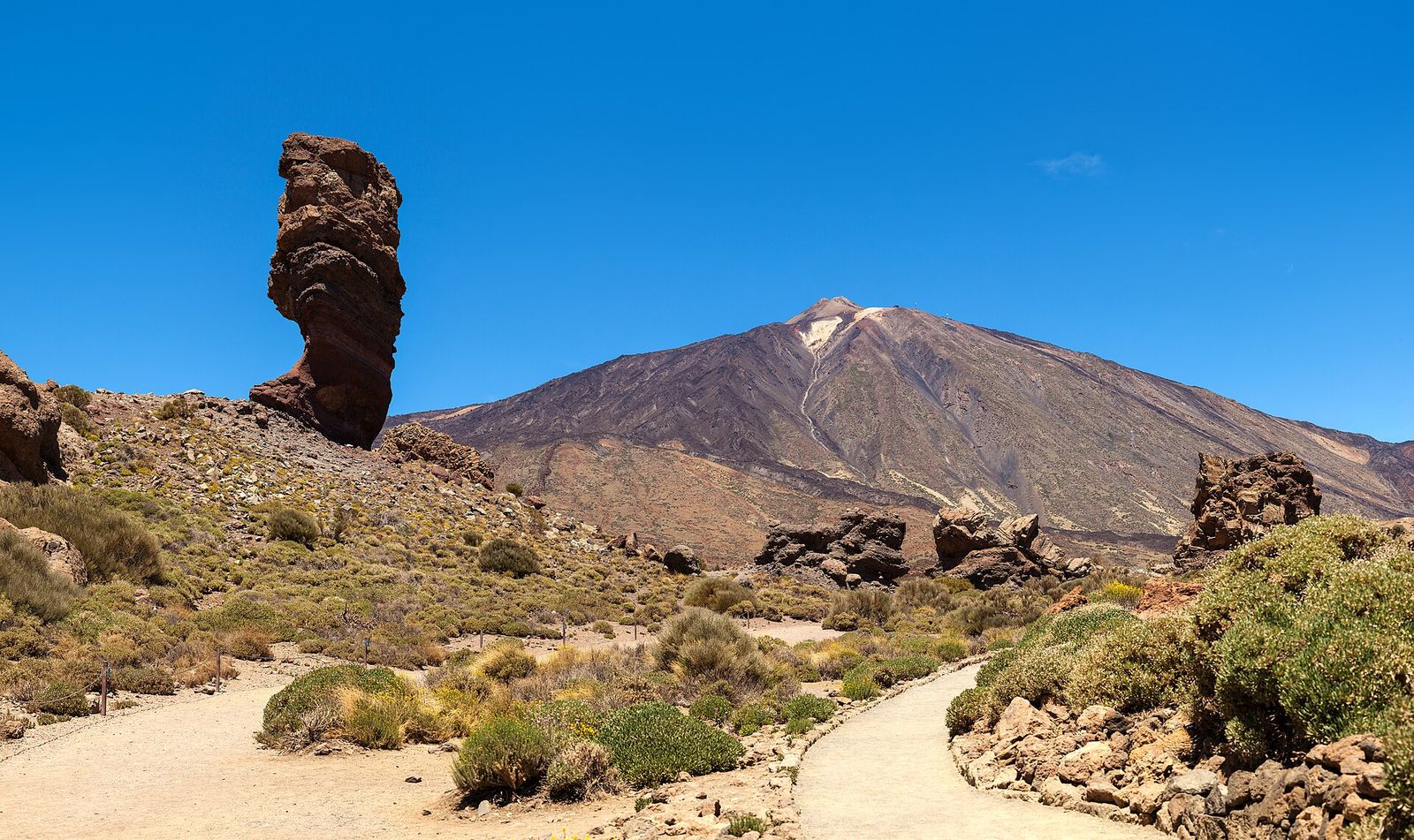
Much more recently, within the last 200,000 years, a new volcano grew inside the vast Las Cañadas caldera: Teide. At 3,715 metres it is the highest mountain in Spain, and it is still active. An eruption in 1706 buried the port of Garachico, and the island's most recent eruption, Chinyero, took place in 1909 on the north-west flank.
The first Tenerifans
The island's first people, the Guanches, came from North Africa and were related to the Amazigh (Berber) peoples; genetic studies of their remains confirm that origin. They arrived more than two thousand years ago, by sea, and lived without metal: their tools were made of stone, including sharp obsidian from Teide, bone and wood.
They herded goats and sheep, grew barley and ate gofio, a flour of toasted grain that is still a Canarian staple. Many lived in caves. They preserved some of their dead as mummies, a process called mirlado, and several of those mummies can be seen at the Museo de la Naturaleza y Arqueología (MUNA) in Santa Cruz.
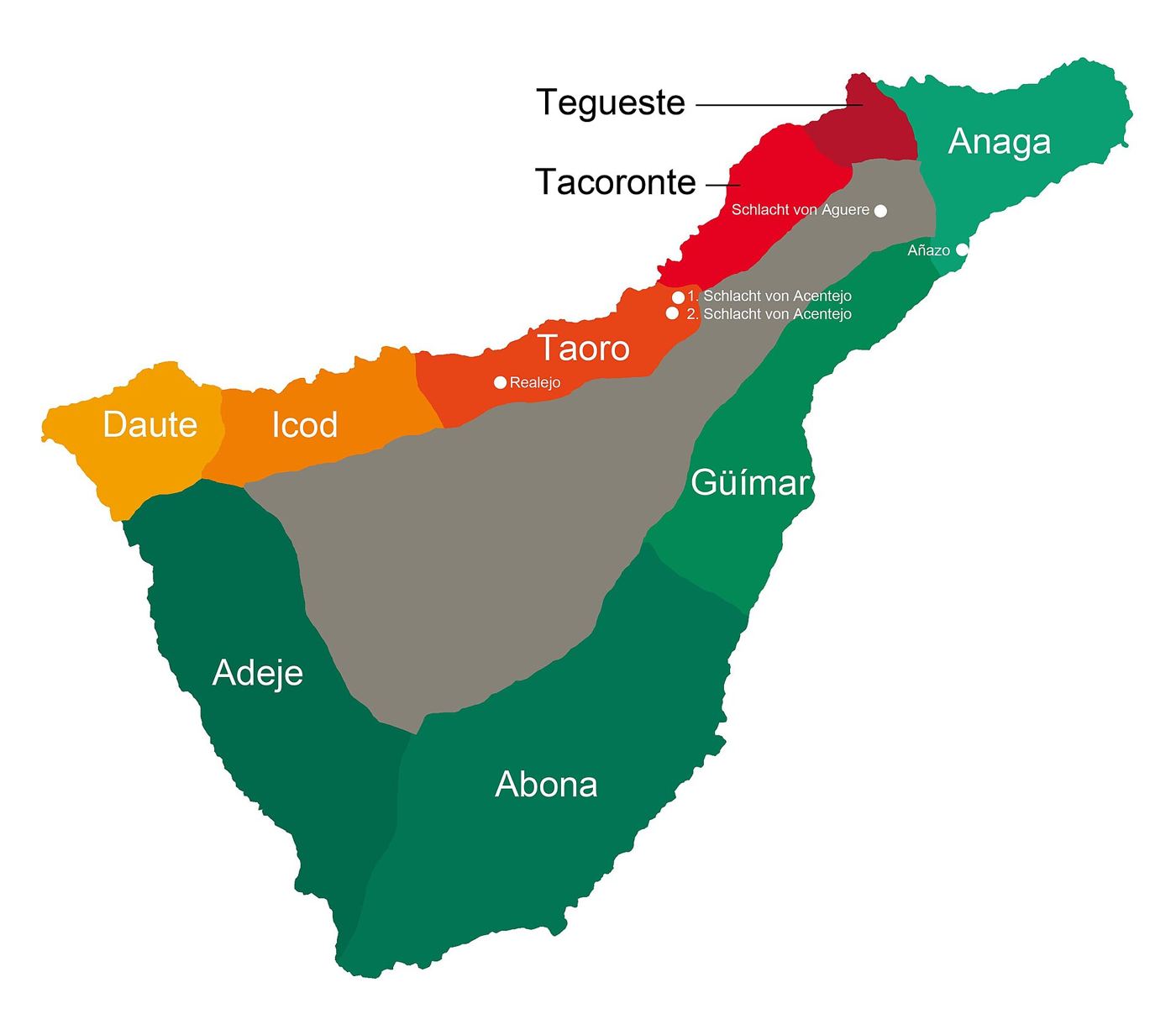
By the 15th century the island was divided into nine kingdoms, the menceyatos, each ruled by a mencey: Anaga, Tegueste, Tacoronte, Taoro, Icod, Daute, Adeje, Abona and Güímar. Teide, which they called Echeyde, was a sacred mountain.
According to tradition, around the year 1400 two Guanche goatherds found a wooden statue of the Virgin on a beach in the menceyato of Güímar. The Virgin of Candelaria became the patroness of the Canary Islands, and every August thousands of pilgrims walk through the night to her basilica, watched over by bronze statues of the nine menceyes.
The last island to fall
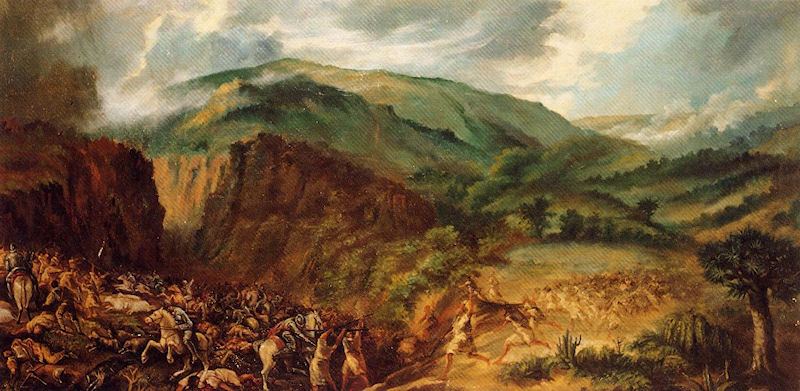
Tenerife was the last of the Canary Islands to be conquered by the Crown of Castile. In 1494 Alonso Fernández de Lugo landed at Añaza, where Santa Cruz stands today. The island was divided: four menceyatos, Anaga, Güímar, Abona and Adeje, made peace with the newcomers, while the northern kingdoms led by Bencomo, mencey of Taoro, resisted.
In May 1494 Bencomo's warriors ambushed Lugo's army in the ravine of Acentejo and inflicted a crushing defeat. The town on that spot is still called La Matanza de Acentejo, 'the slaughter of Acentejo'.
Lugo returned with reinforcements. In November 1495 he won the battle of Aguere, on the plain where La Laguna now stands, and in December 1495 the second battle of Acentejo, remembered in the name of the neighbouring town, La Victoria de Acentejo. Weakened by war and by an epidemic, the remaining menceyes surrendered in 1496.
La Laguna, sugar and wine
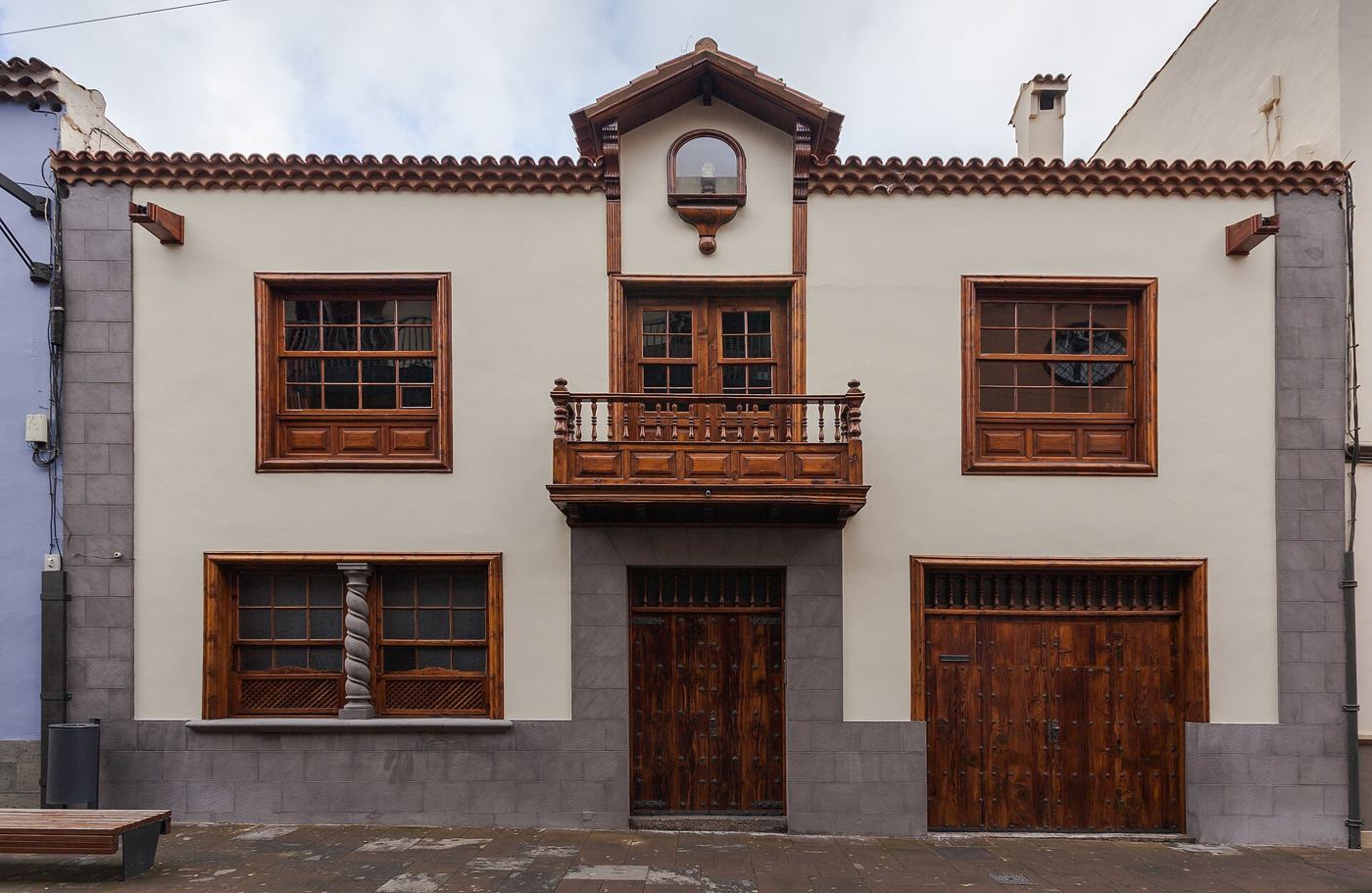
Lugo founded San Cristóbal de La Laguna as the island's capital in 1496. Its streets were laid out on an open grid with no city walls, a plan that later served as a model for colonial cities in the Americas. The old town has been a UNESCO World Heritage Site since 1999.
Settlers arrived from Castile and Andalusia, Portugal, Genoa and Flanders. Sugar cane was the first great export; when cheaper American sugar undercut it, vineyards took over. Tenerife's Malvasía wine, known in England as 'canary', was poured in London taverns, and Shakespeare's characters call for a cup of it.
That trade paid for the noble houses of La Orotava and La Laguna, with their carved wooden balconies and hidden patios, and made Garachico the island's busiest port.
A volcano, a garden and an admiral
On 5 May 1706 an eruption sent rivers of lava into Garachico. Much of the town was destroyed and its harbour was filled in, so trade moved to Puerto de la Cruz and Santa Cruz. The lava that reached the sea later formed the natural rock pools that bathers enjoy today, beside the 16th-century Castillo de San Miguel.
In 1788 King Charles III ordered the creation of a botanical garden in Puerto de la Cruz to acclimatise tropical plants on their way to Spain. The Jardín de Aclimatación de La Orotava is still open to visitors.
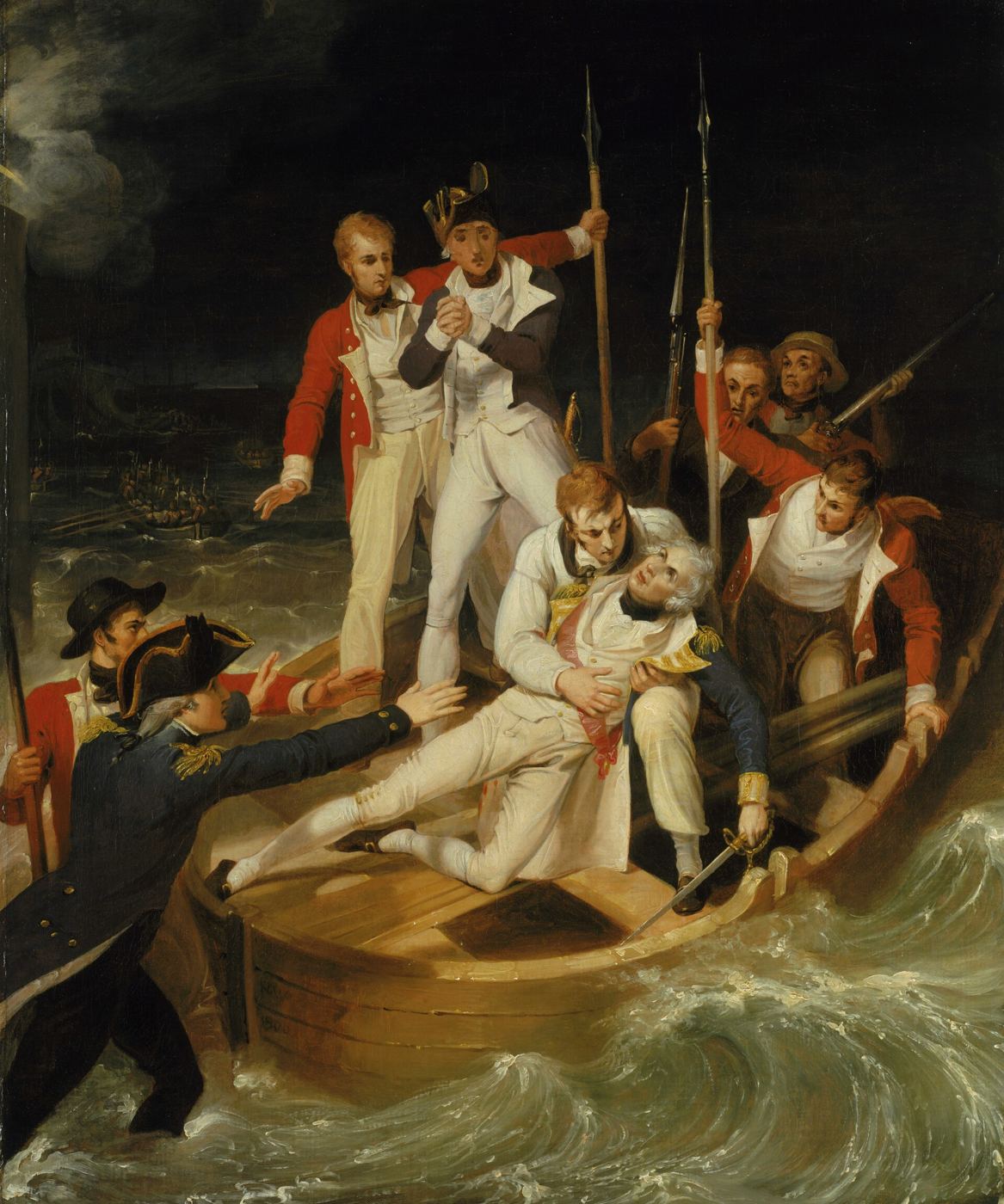
On the night of 24 to 25 July 1797 a British squadron under Rear-Admiral Horatio Nelson attacked Santa Cruz. The defenders, led by General Antonio Gutiérrez, drove the assault back, and Nelson was hit in the right arm, which had to be amputated. The cannon traditionally credited with the shot, El Tigre, is on display in the remains of the Castillo de San Cristóbal beneath Plaza de España.
Free ports, bananas and the first visitors
In 1833 Santa Cruz de Tenerife became the capital of the single province of the Canary Islands, a role it kept until the province was split in two in 1927. In 1852 a free-ports law opened the islands to international shipping.
Cochineal, a red dye harvested from insects that live on prickly pears, brought a short boom until synthetic dyes replaced it. Bananas followed, shipped mostly to Britain, and became the island's new cash crop.
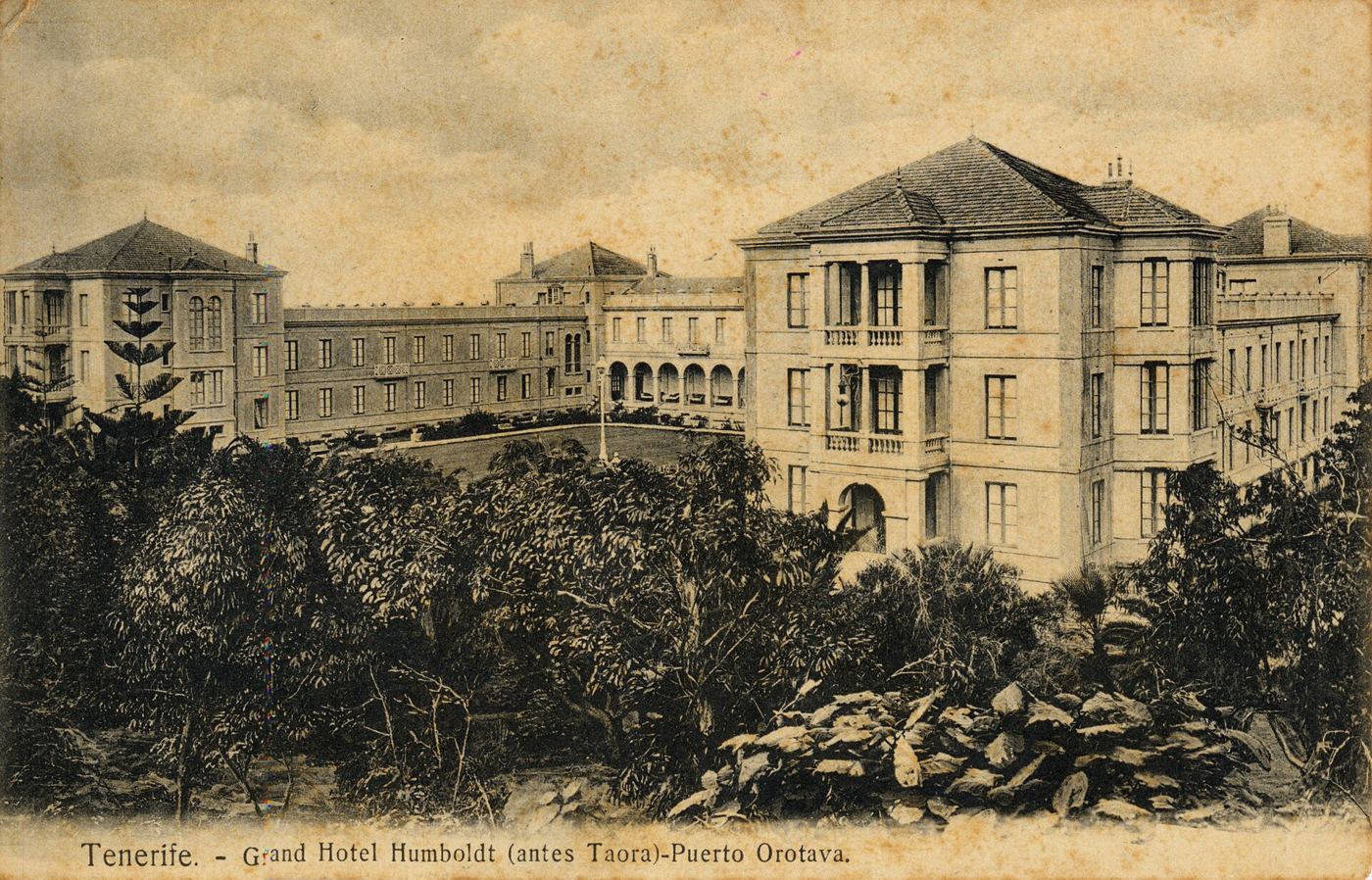
The British also came for the climate. From the late 19th century Puerto de la Cruz welcomed convalescents and travellers, and its hotels, led by the Grand Hotel Taoro, and its English library were the first steps of Tenerife's long relationship with tourism.
From emigration to a world destination
The first half of the 20th century brought hardship, and many Tenerifans emigrated, above all to Cuba and Venezuela. From the 1960s mass tourism transformed the south: Los Cristianos and Playa de las Américas grew from fishing villages and tomato fields into resorts.
In 1977 two jumbo jets collided in fog at Los Rodeos airport, the deadliest accident in aviation history. Tenerife South airport opened the following year.
With the Statute of Autonomy of 1982 the Canary Islands became a self-governing community of Spain, with Santa Cruz de Tenerife and Las Palmas sharing the capital. Teide National Park, created in 1954, became a UNESCO World Heritage Site in 2007, and the Anaga massif a Biosphere Reserve in 2015.
Timeline
The key dates at a glance. Tap a date to jump to its chapter.
- Millions of years agoThe massifs of Anaga, Teno and Adeje emerge as separate volcanic islands.
- Last 200,000 yearsTeide grows inside the Las Cañadas caldera.
- 2,000+ years agoThe first settlers arrive from North Africa.
- c. 1400By tradition, the Virgin of Candelaria is found by Guanche goatherds.
- 1494Alonso Fernández de Lugo lands at Añaza. Guanche victory at Acentejo.
- 1495Castilian victories at Aguere and in the second battle of Acentejo.
- 1496The last menceyes surrender. La Laguna is founded as the capital.
- 1706An eruption buries the port of Garachico.
- 1788Charles III orders the botanical garden of Puerto de la Cruz.
- 1797Nelson's attack on Santa Cruz is repelled.
- 1833Santa Cruz becomes capital of the province of the Canary Islands.
- 1852The free-ports law opens the islands to world shipping.
- 1909Chinyero, the island's most recent eruption.
- 1954Teide National Park is created.
- 1982The Canary Islands become an autonomous community.
- 1999La Laguna's old town becomes a UNESCO World Heritage Site.
- 2007Teide National Park joins the UNESCO World Heritage list.
- 2015Anaga is declared a UNESCO Biosphere Reserve.
History you can visit today
Six places where the island's past is close enough to touch, and what is on there right now.
La Laguna
The old town of La Laguna
Walk the late-15th-century street grid that inspired cities in the Americas: Calle San Agustín, the cathedral and the mansions around Plaza del Adelantado.
Read the history →What's on in La Laguna →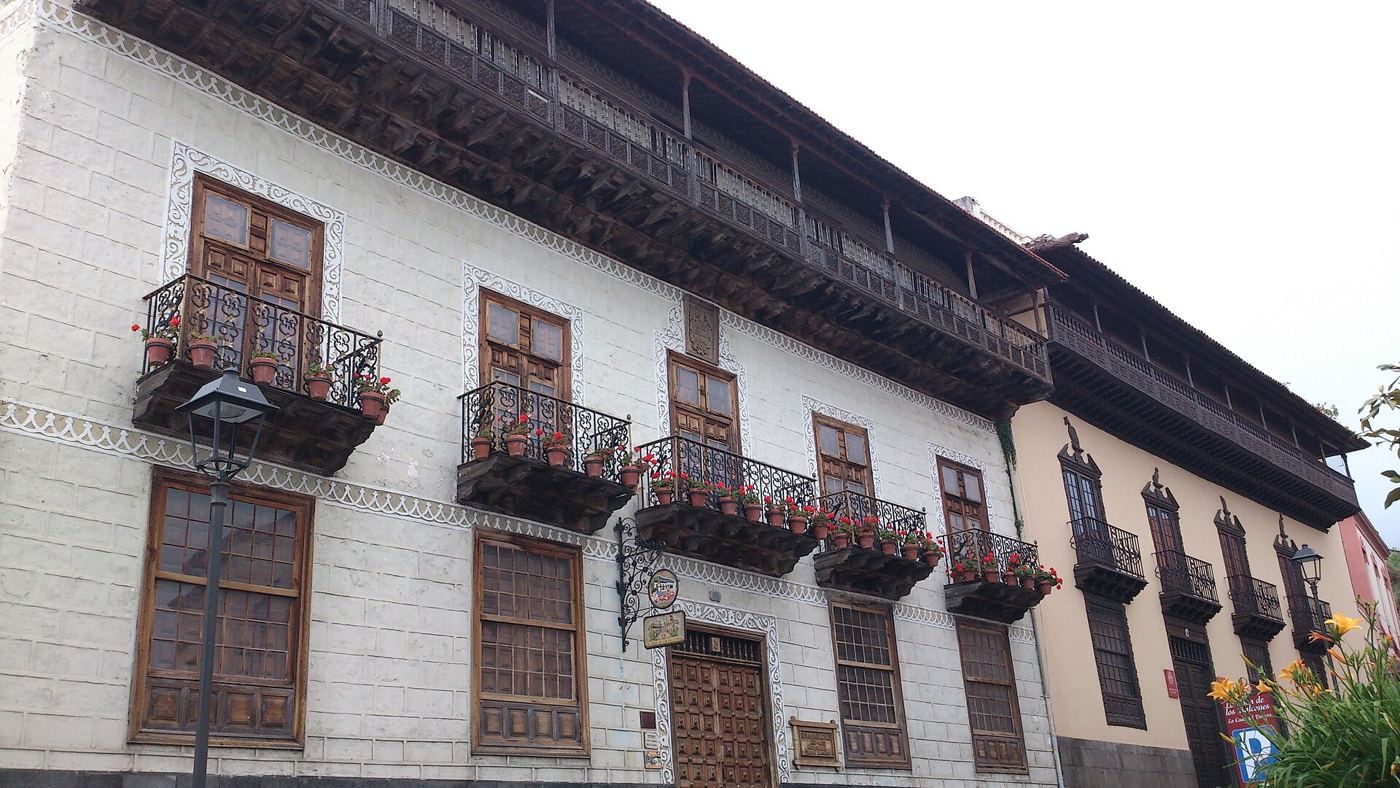
La Orotava
Casa de los Balcones
Carved wooden balconies and courtyards from the wine-trade golden age, in a town famous for its Corpus Christi sand carpets.
What's on in La Orotava →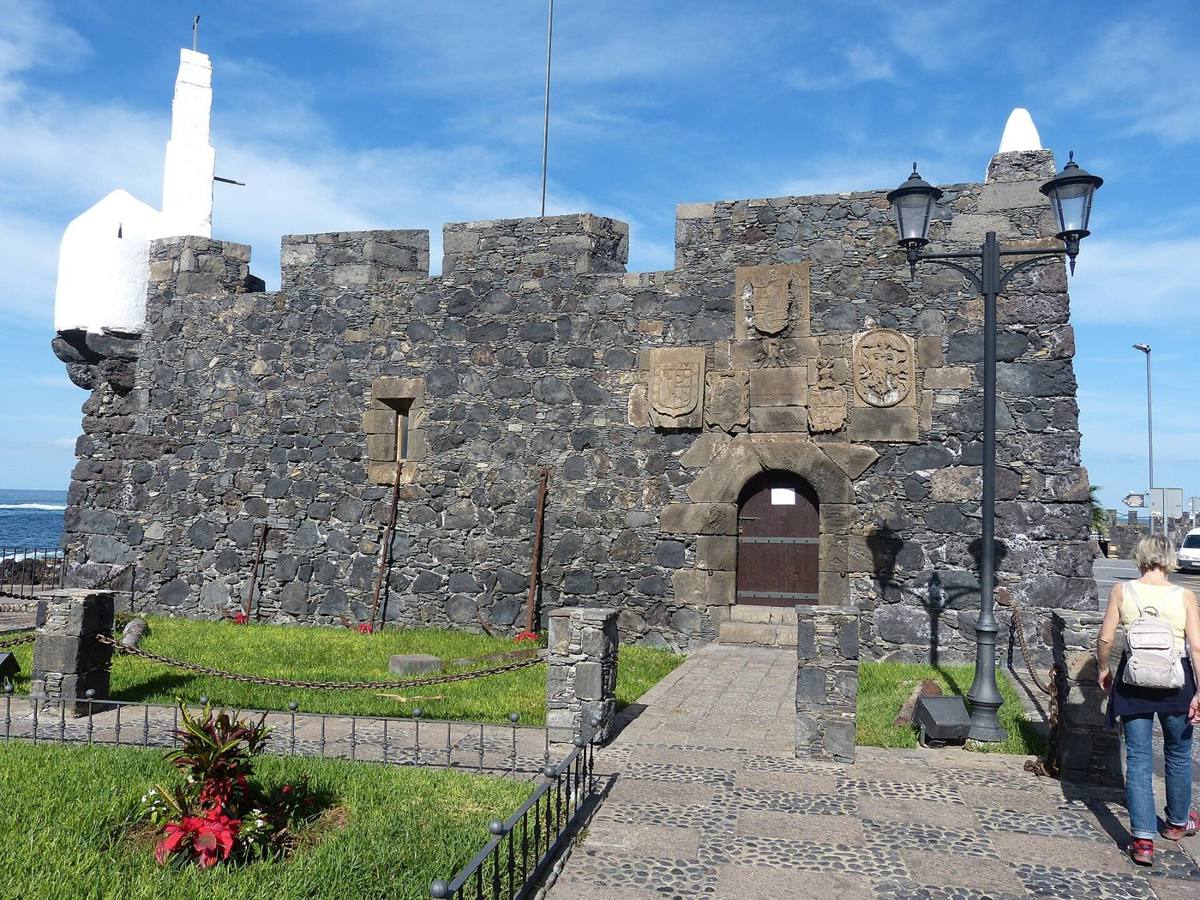
Garachico
Garachico and the Castillo de San Miguel
A small fortress beside the lava pools left by the eruption of 1706, in what was once the island's busiest port.
Read the history →What's on in Garachico →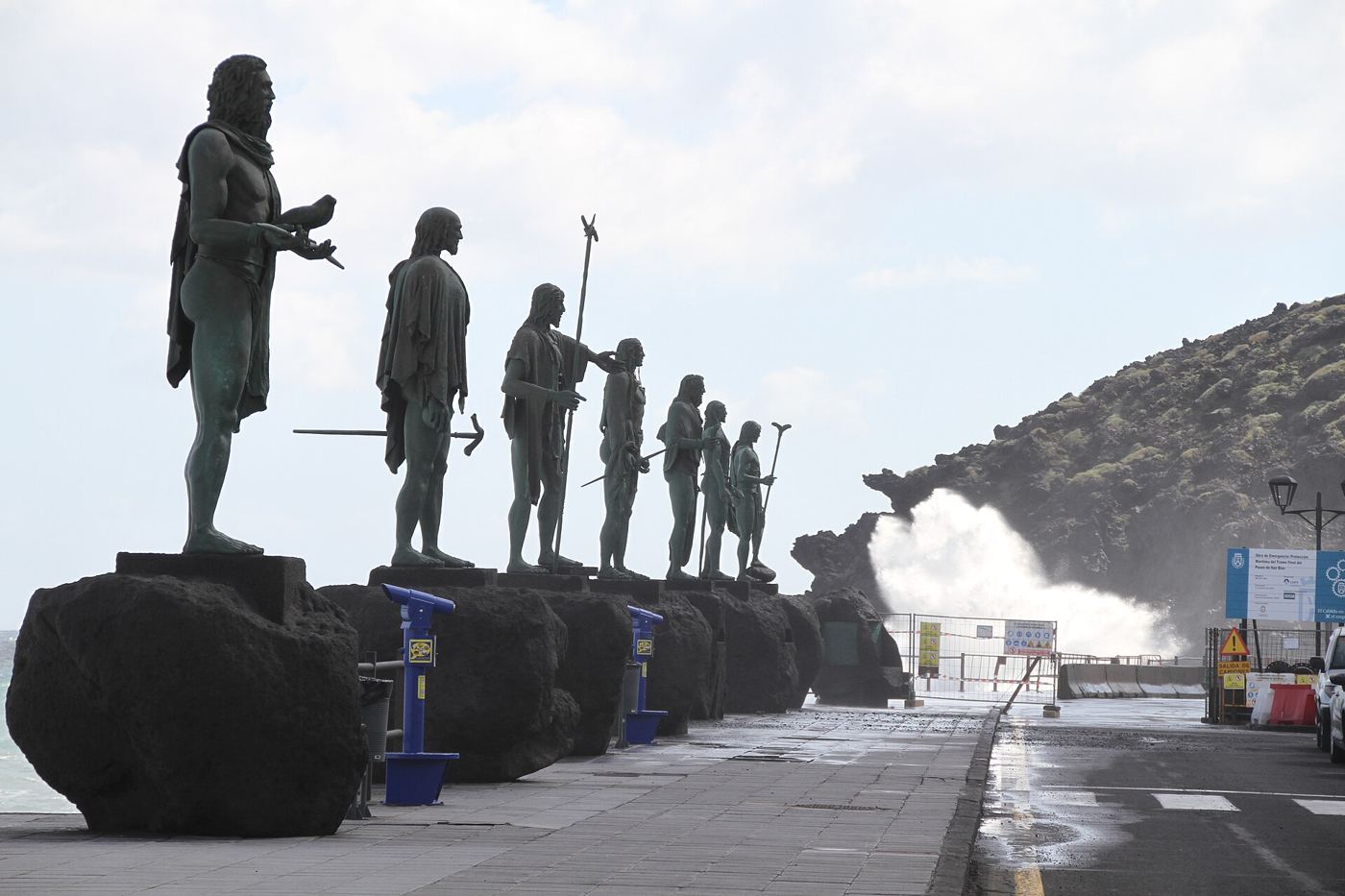
Candelaria
The menceyes of Candelaria
Nine bronze Guanche kings line the seafront beside the Basilica of the patroness of the Canary Islands.
What's on in Candelaria →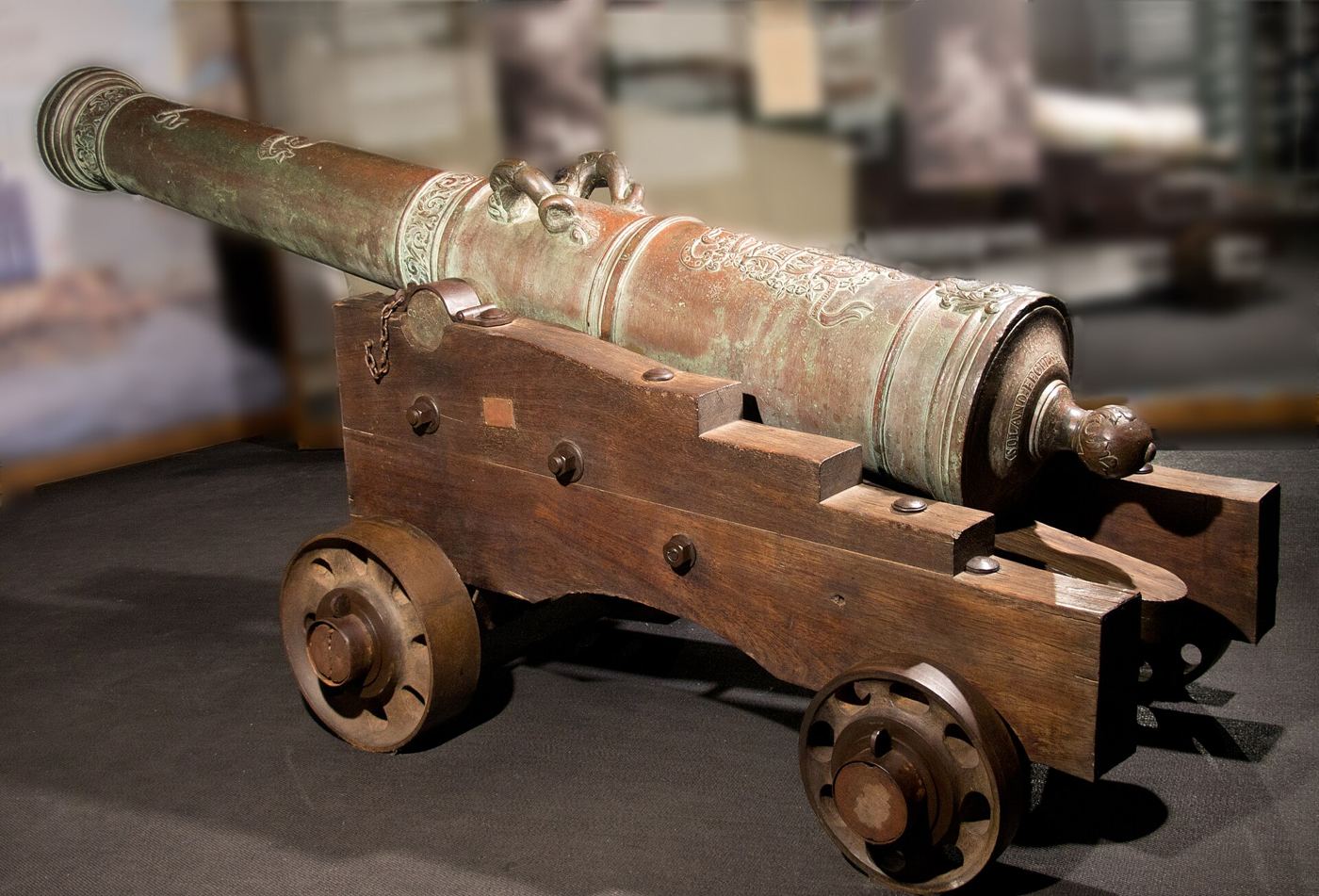
Santa Cruz de Tenerife
Guanche mummies and El Tigre
See Guanche mummies at the MUNA museum and the cannon of 1797 under Plaza de España.
What's on in Santa Cruz de Tenerife →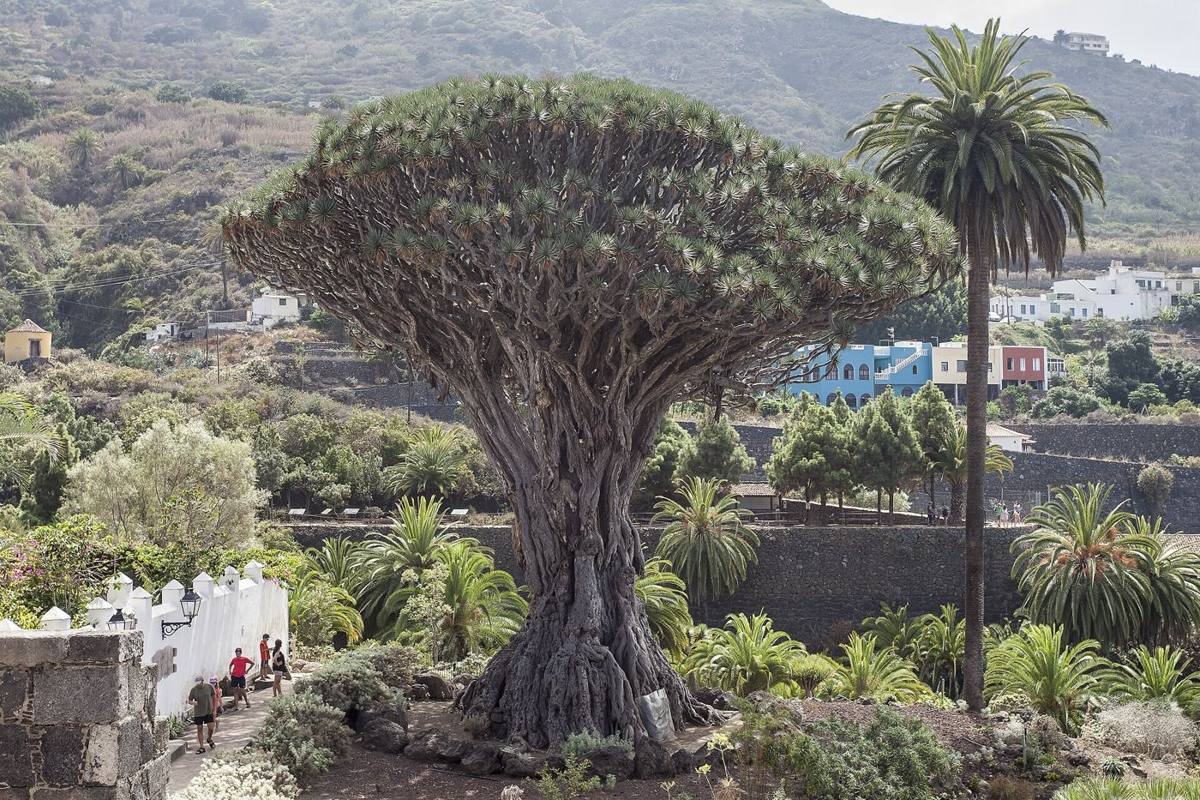
Icod de los Vinos
The Drago Milenario
A centuries-old dragon tree, the living symbol of the island, in a town that grew rich on wine.
What's on in Icod de los Vinos →History that still throws a party
Many of Tenerife's fiestas are history lessons in disguise: the night pilgrimage to Candelaria, the romerías with oxen and regional dress, the sand carpets of La Orotava and the new-wine feasts of San Andrés. Our Fiesta Guide explains what happens at each one, and the agenda shows when the next one is on.
Image credits (Wikimedia Commons)
- Teide Canadas · Ingo Mehling · CC BY-SA 4.0
- Tenerife Candelaria 9 guanche kings · Bjoertvedt · CC BY-SA 4.0
- Menceyatos 01 · Koppchen · CC BY 3.0
- Acentejo Battle · Gumersindo Robayna · Public domain
- Edificio en calle San Agustín 6, La Laguna · Diego Delso · CC BY-SA 3.0
- Casa de los Balcones (La Orotava) · Axel Cotón Gutiérrez · CC BY-SA 4.0
- Hotel Taoro y Jardines (1893) · Carl Norman, FEDAC / Cabildo de Gran Canaria · CC BY 4.0
- Garachico · Mike McBey · CC BY 2.0
- Garachico - Castillo San Miguel · Wolfgang Sauber · CC BY-SA 3.0
- Nelson wounded at Tenerife, 24 July 1797 · Richard Westall · Public domain
- El Tigre, Castillo de San Cristóbal · Hajotthu · CC BY 3.0
- Drago Milenario de Icod de los Vinos · Lmbuga (Luis Miguel Bugallo Sánchez) · CC BY-SA 4.0