
Buenavista del Norte · Towns of Tenerife
Buenavista del Norte: a planned town at the end of the island
A town founded by written deed in 1513 and laid out before it was built, sugar cane and vineyards at the foot of the Teno massif, hermitages scattered across remote estates, a plague of locusts, a lighthouse at the western tip and a church that burned in 1996 and rose again. The story of Buenavista del Norte.
5 min read · 7 sources · Updated October 2026
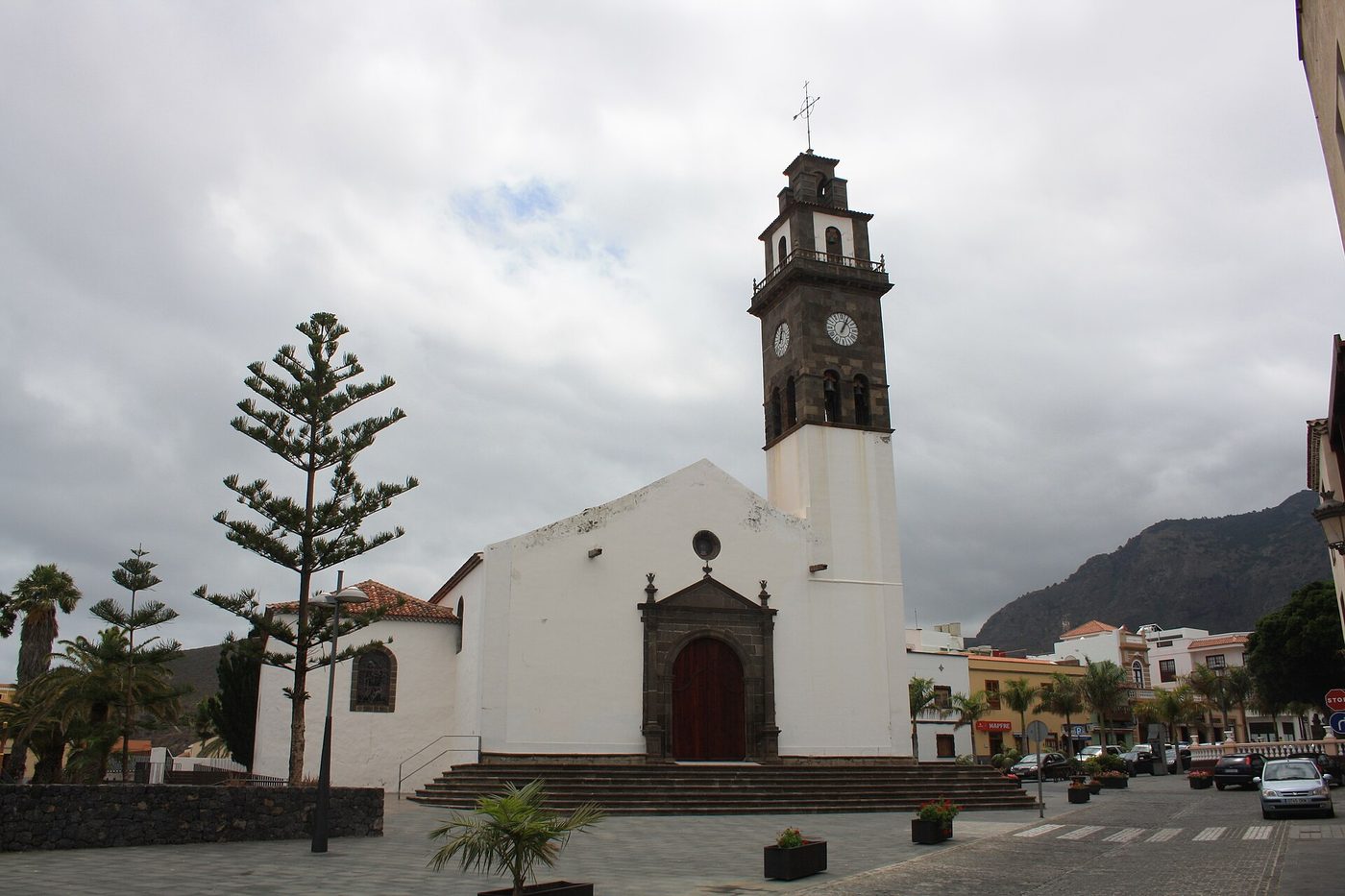
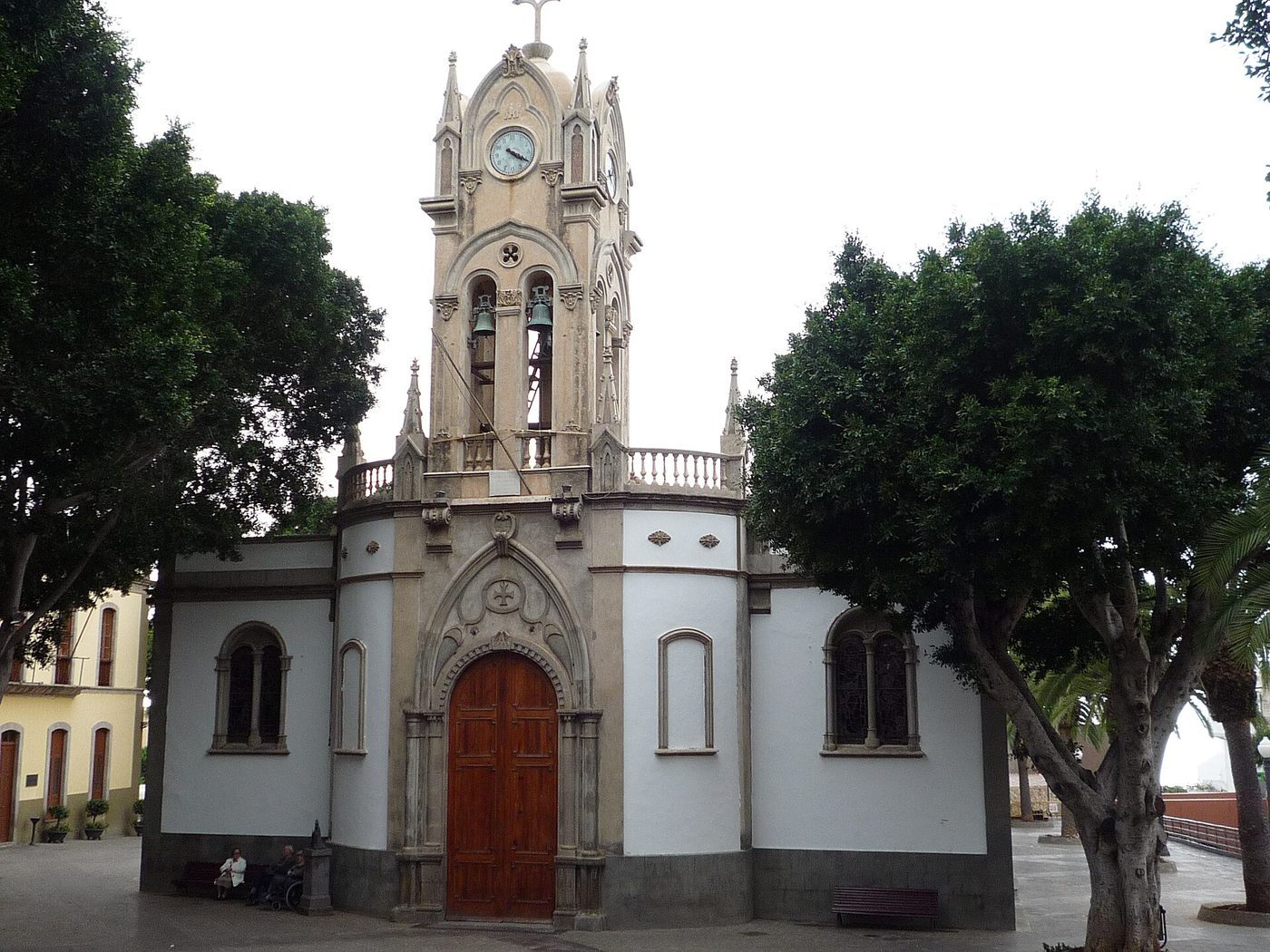
Iglesia de los Remedios · Martin Seekatz, CC BY-SA 3.0
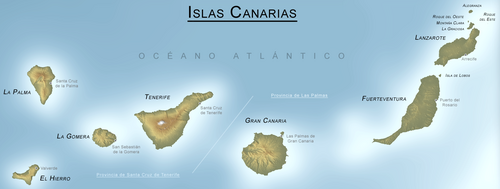
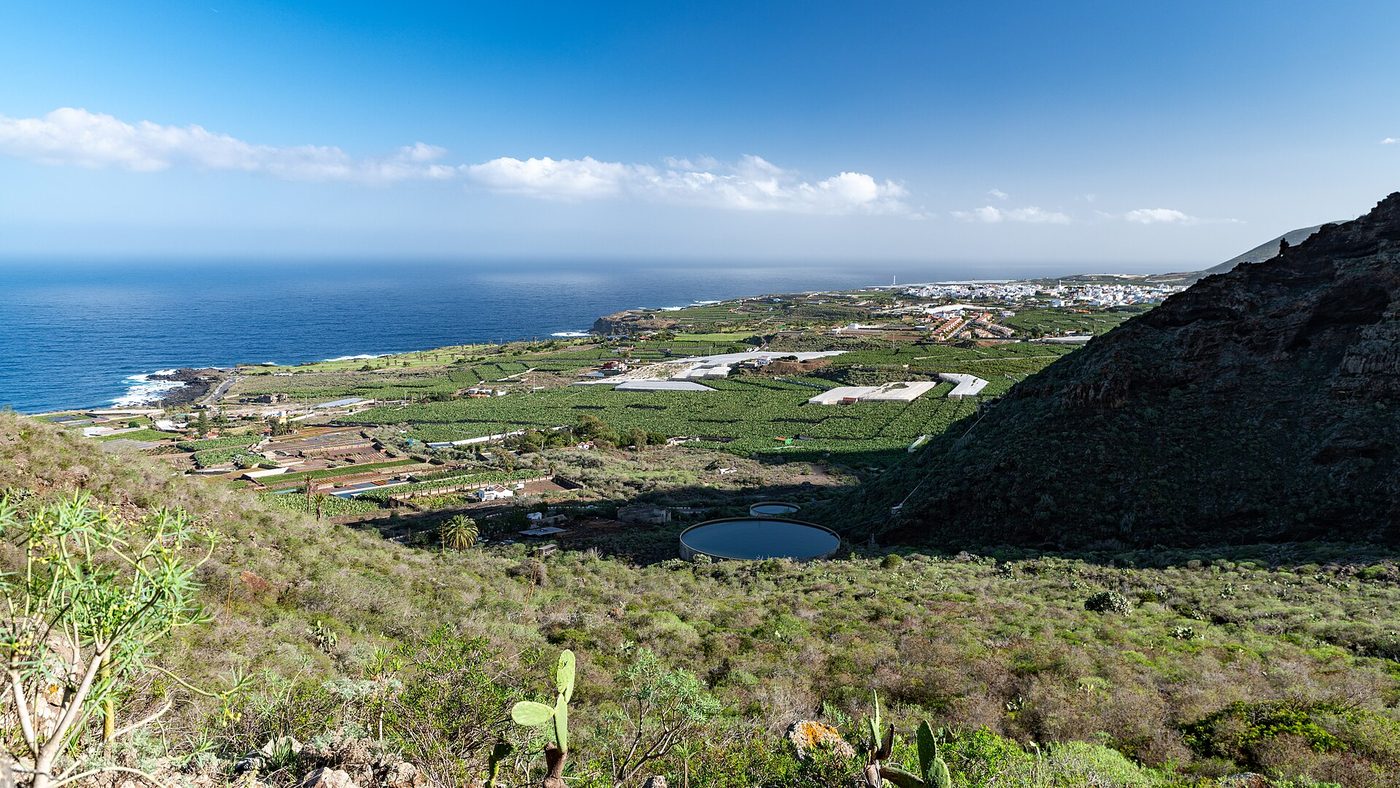
Buenavista del Norte lies at the far western end of Tenerife, on a recent coastal lava platform at the foot of the old volcanic massif of Teno.7 In 1776 the historian José de Viera y Clavijo described it as flat land with a town of wide, straight streets, a beautiful sky and admirable views of the sea.7 Those straight streets are the key to its history: Buenavista is one of the very few towns in the Canaries whose founding can be dated to the day.
The district of Daute
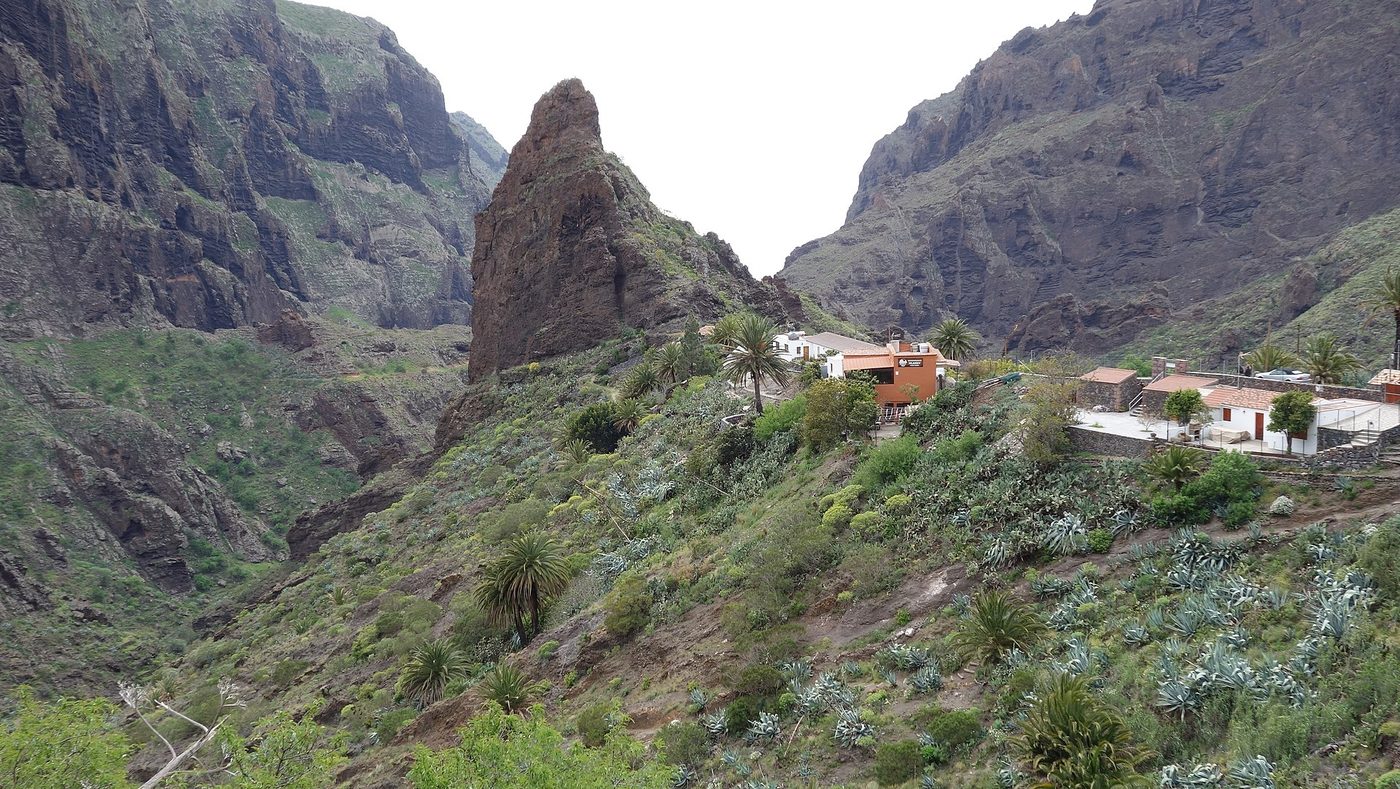
Before the conquest this corner of the island belonged to the Guanche kingdom of Daute, which gave its name to the whole district.2 The archaeological record is rich: the hacienda of the conqueror Juan Méndez preserves numerous pre-Hispanic sites near its shoreline, and on the rocky spur of Pico Yeje, at the head of the Masca ravine, a carved spiral is the most striking of a group of rock engravings.34
After 1496 the land was handed out to the conqueror's followers. The historian Agustín Guimerá, who studied every land grant in Daute between 1498 and 1529, describes a district rich in forests and water, but rugged, with poor communications and little cultivable land. The irrigated grants, the most valuable, went mostly to sugar cane, and four sugar mills worked in the district during the sixteenth century; the best irrigated land lay in the coastal strip and in the fertile valley of Masca.2
A town by deed
On 26 February 1513 the settlers of Buenavista obtained a written deed of foundation. It was granted by the lieutenant governor of Tenerife, Cristóbal Lebrón, and the councillor Fernando de Llerena, at the request of the residents, represented by Juan Méndez "el Viejo" and Juan de Mesa.15 The town was planned before it was built, with a main street, today's calle La Alhóndiga, flanked by the calle Verde and the calle del Puerto; the island council's heritage catalogue notes that only La Laguna in Tenerife shares that distinction.3 The art historian Manuel Jesús Hernández González compares the layout to the towns of the Spanish mainland, especially Seville, where many of the first settlers came from.1
The church grew with it. Its first stone was laid in 1513 and the first mass was said five years later; by the end of the century it had a nave, two chapels and a choir, a second nave was added in the late seventeenth century and the tower in 1951.4 Growth was quick at first: about 150 people lived in Buenavista in 1524, and the tithe count of 1552 recorded 245 in the town, 65 at La Fuente de Juan Méndez, 101 in El Palmar, 5 in El Carrizal and 9 in Masca.12 The economy rested on sugar, vines and cereals, and on the abundant water of the district.1
Hermitages on the estates
As the great estates spread across the remote valleys of Teno, their owners built chapels so that their stewards, sharecroppers and labourers could hear mass without the long walk into town. Hernández González has traced them through wills and church records: La Visitación at La Fuente, founded by Juan Méndez and documented in 1536; San Sebastián in 1544; Nuestra Señora de la Consolación in El Palmar in 1599; San Jerónimo in Teno Alto in 1625; chapels at Taco, Las Hoyas, the Punta de Teno and El Rincón later in the century.1 One founder, Catalina de Castro Navarro, explained that she had built hers so that her household, "my stewards and sharecroppers", could hear mass on feast days instead of going all the way to Buenavista.1 The Franciscans opened a convent in the town in the first half of the seventeenth century, the sixteenth of the order in the Canaries, with twelve friars who also ran a school; in the nineteenth century its site became the cemetery, and only its stone doorway survives.45
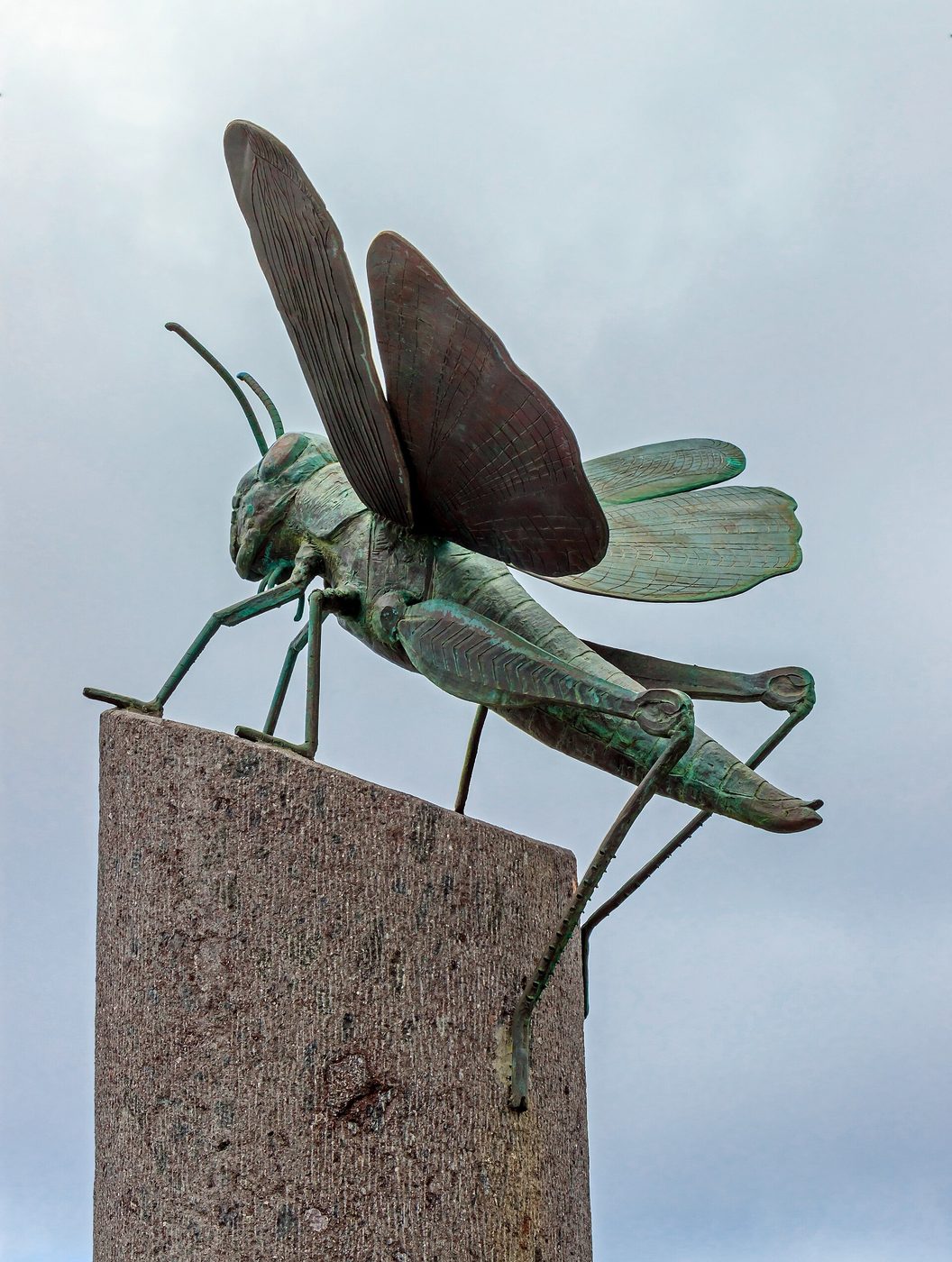
The good times did not last. From 1678 the population fell sharply, probably through emigration to America, economic crisis and moves to other parts of the island.1 By the early nineteenth century many of the estate chapels had become storerooms or ruins.1 Plagues of locusts also struck the fields; a local tradition, retold by the island council's tourism service, says that the people carried the Virgin of Los Remedios in procession to drive them away, and that the devotion to her dates from then.5
Fire and rebuilding
On the afternoon of 22 June 1996, while most of the town was watching Spain play England in the European Championship, the church of Nuestra Señora de los Remedios caught fire.6 The flames destroyed the Mudéjar-style wooden ceiling, the Baroque main altarpiece, much of the stonework, the museum of sacred art and the image of the patroness.46 That same night the residents formed a committee to rebuild it. The Canarian Parliament unanimously asked the regional government to fund the work, and the restoration, directed by the architect José Miguel Márquez Zárate, took eight years; even the floor slabs and the shattered baptismal font were recovered and put back piece by piece.6 A new image of the Virgin by the sculptor Luis González Rey arrived in October 1997.5
Today
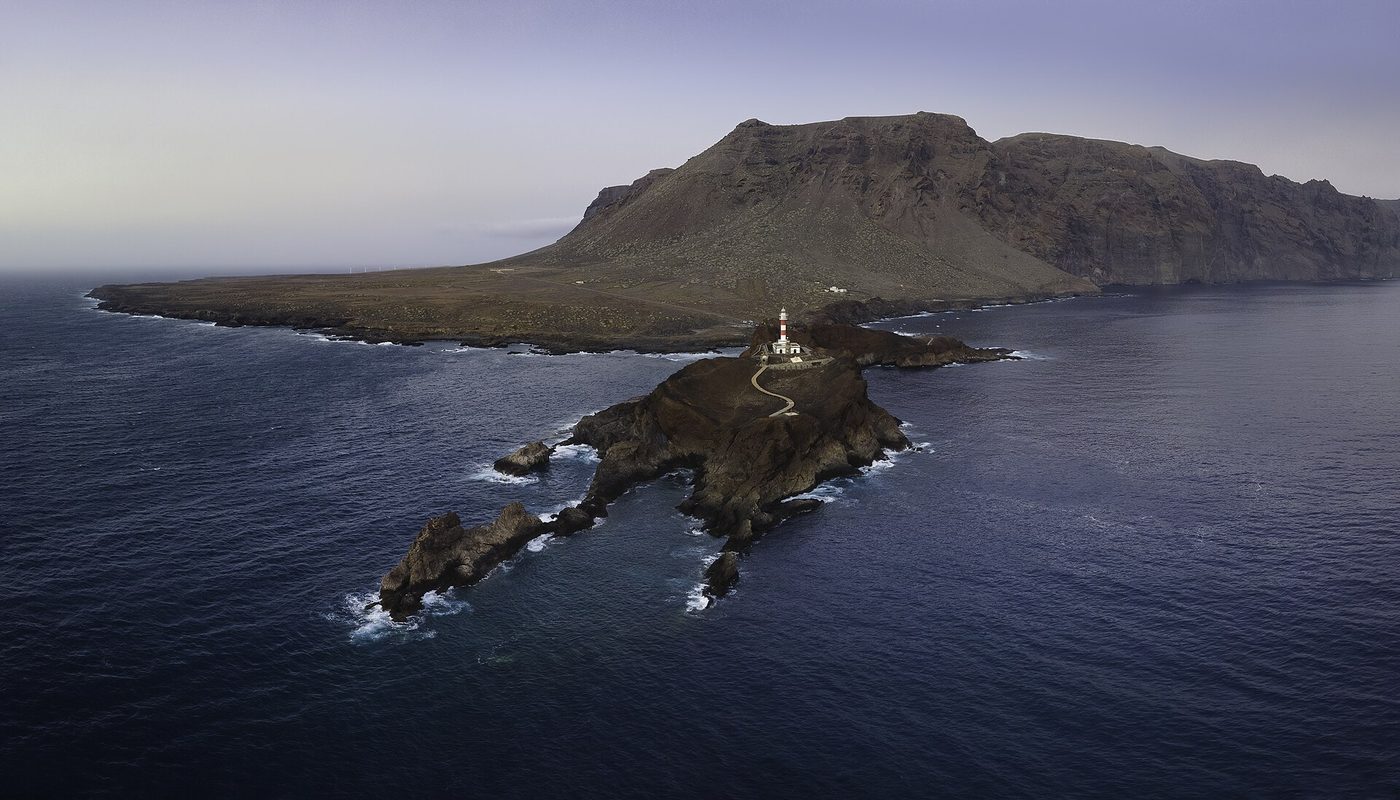
Buenavista still stands at the end of the road along the north coast. Banana plantations cover the coastal platform, while the old estates, hamlets and paths of Teno, Masca and El Palmar keep the landscape of polyculture and the many archaeological sites that INVOLCAN's geologists highlight alongside the volcanoes and old cliffs.7 The old lighthouse at the Punta de Teno is listed among the town's historic buildings.5
Notes and sources
- 1.M. J. Hernández González, "Las ermitas de Buenavista del Norte (Tenerife). Patrocinio artístico y mentalidad religiosa en la época moderna", XX Coloquio de Historia Canario-Americana (2012), pp. 828 ff. (drawing on A. Guimerá Ravina, M. Rodríguez Yanes, P. Díaz Dorta and the tithe count of 1552). revistas.grancanaria.com
- 2.A. Guimerá Ravina, "El repartimiento de Daute (Tenerife), 1498-1529", Coloquios de Historia Canario-Americana (1978), pp. 113-158. revistas.grancanaria.com
- 3.Cabildo de Tenerife, Patrimonio Histórico de Tenerife. Catálogo de Bienes de Interés Cultural, 2018 (entries for the historic centre of Buenavista del Norte, the hamlet of Masca and the rock engravings of Pico Yeje). tenerife.es
- 4.Ayuntamiento de Buenavista del Norte, "Patrimonio" (institutional page on the church of Los Remedios, the hermitages, the Franciscan convent and the hacienda of Juan Méndez). buenavistadelnorte.es
- 5.Cabildo de Tenerife (Wonderful Tenerife), "Buenavista del Norte: resumen histórico" and "Edificios históricos". wonderfultenerife.com
- 6.Press: "El aciago día en que Buenavista perdió una parte de su historia", Diario de Avisos, June 2016. diariodeavisos.elespanol.com
- 7.INVOLCAN, Geoturismo urbano de Tenerife: Buenavista del Norte, 2019 (includes the quotation from Viera y Clavijo, 1776). tfgeoturismo.involcan.org
What's on in Buenavista del Norte now →
Fiestas, concerts and events from the town hall agenda, updated daily.
More towns in the series
La Laguna · Towns of Tenerife
San Cristóbal de La Laguna: a town planned for peace
Garachico · Towns of Tenerife
Garachico: the port the volcano took
Bajamar · Towns of Tenerife
Bajamar and Punta del Hidalgo: La Laguna's shore
Candelaria · Towns of Tenerife
Candelaria: the shrine on the shore
Santa Cruz de Tenerife · Towns of Tenerife
Santa Cruz: from army camp to capital
La Orotava · Towns of Tenerife
La Orotava: a town drawn with a cord
Adeje · Towns of Tenerife
Adeje: the kingdom, the fortress and the marquises
La Caleta · Towns of Tenerife
La Caleta: Adeje's old harbour
Los Cristianos · Towns of Tenerife
Los Cristianos: the south's harbour
Las Galletas · Towns of Tenerife
Las Galletas: salt, fish and a garden city
Playa de las Américas · Towns of Tenerife
Playa de las Américas: a resort from scratch
Callao Salvaje · Towns of Tenerife
Callao Salvaje: a resort by decree
Playa Paraíso · Towns of Tenerife
Playa Paraíso: a paradise on paper
Guía de Isora · Towns of Tenerife
Guía de Isora: from Teide to the sea
Playa San Juan · Towns of Tenerife
Playa San Juan: Guía de Isora's harbour
Alcalá · Towns of Tenerife
Alcalá: a fishing village on the lava
Puerto Santiago · Towns of Tenerife
Puerto Santiago and Los Gigantes: life below the cliffs
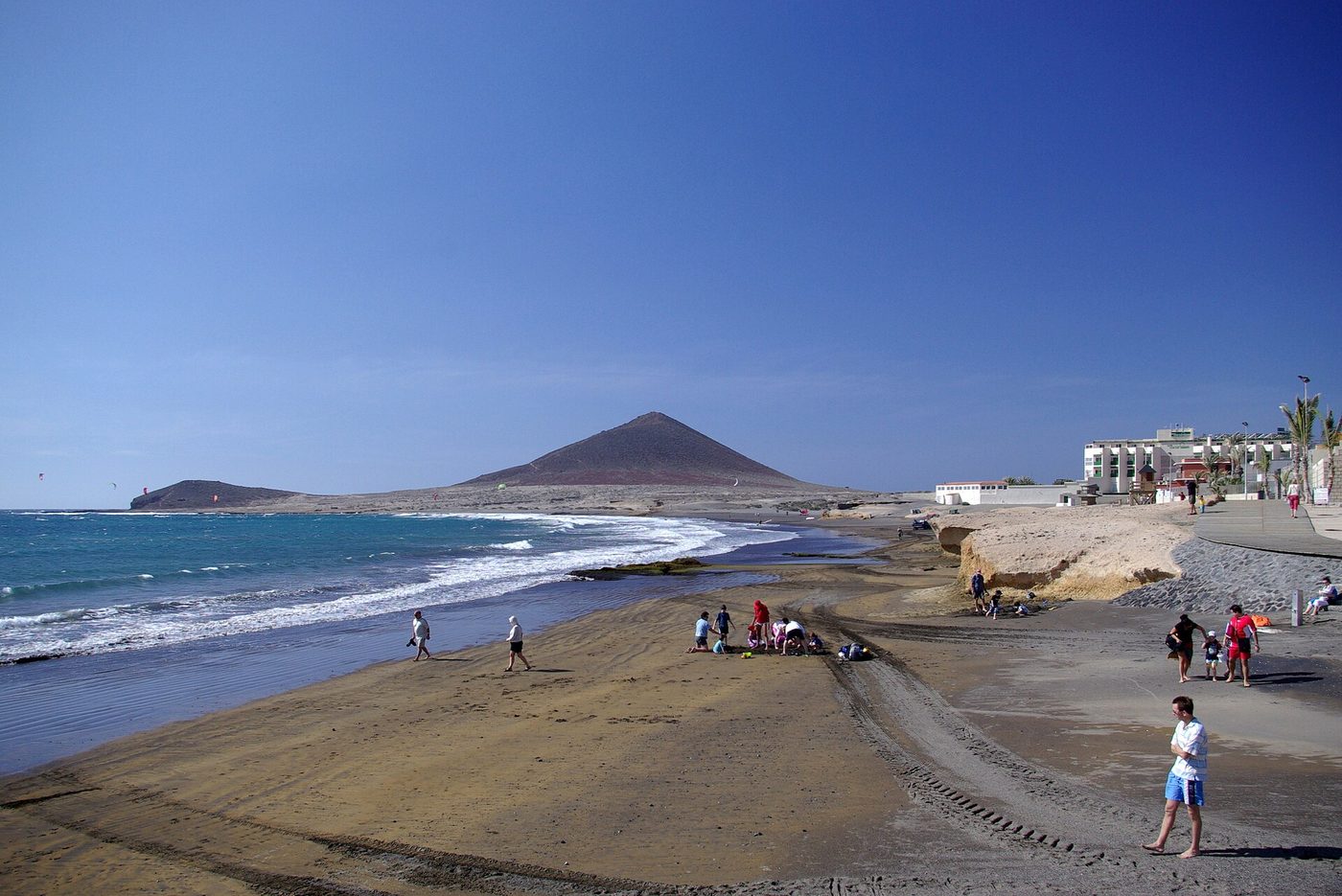
El Médano · Towns of Tenerife
El Médano: the harbour under the red mountain
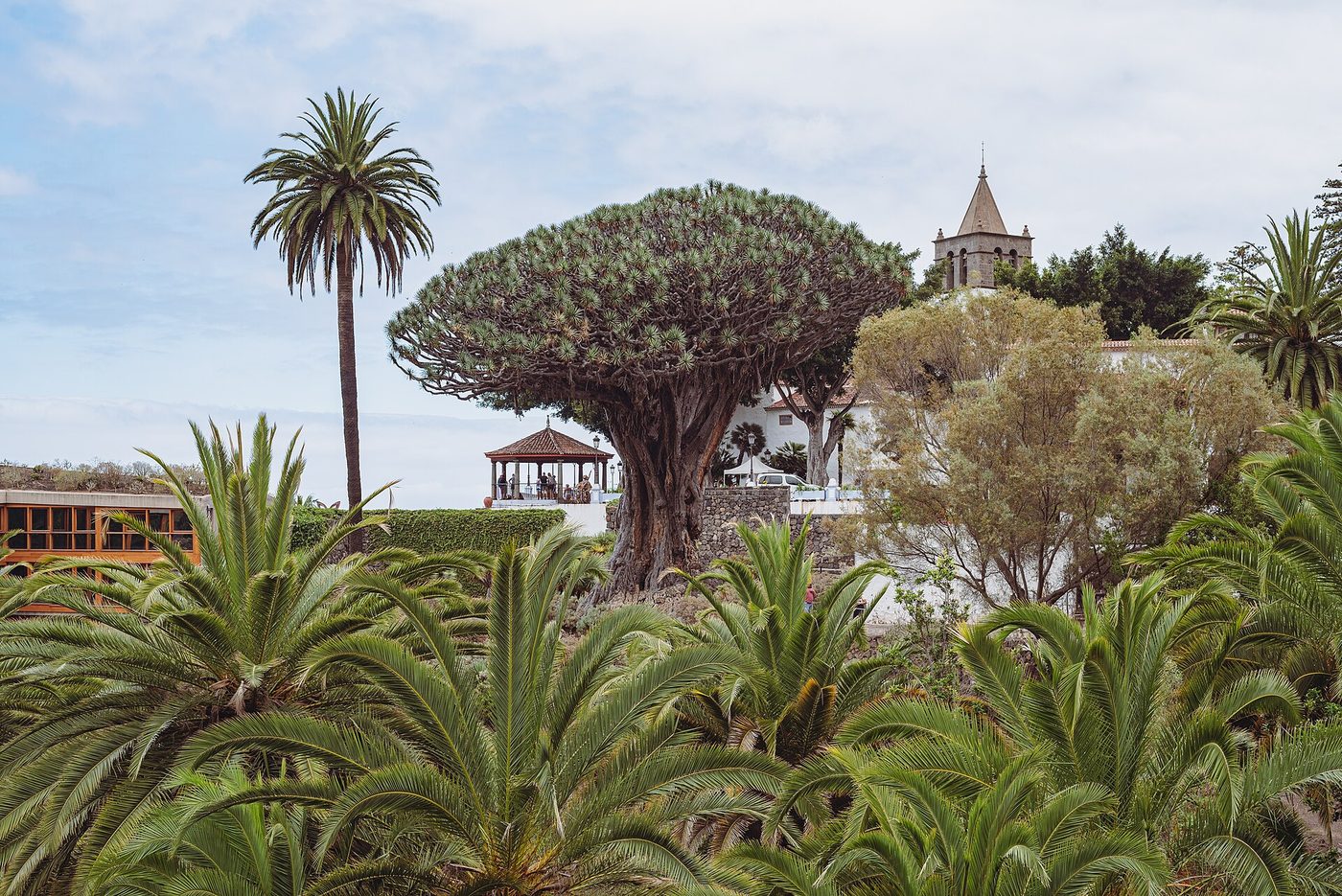
Icod de los Vinos · Towns of Tenerife
Icod de los Vinos: the dragon tree and the cove of San Marcos
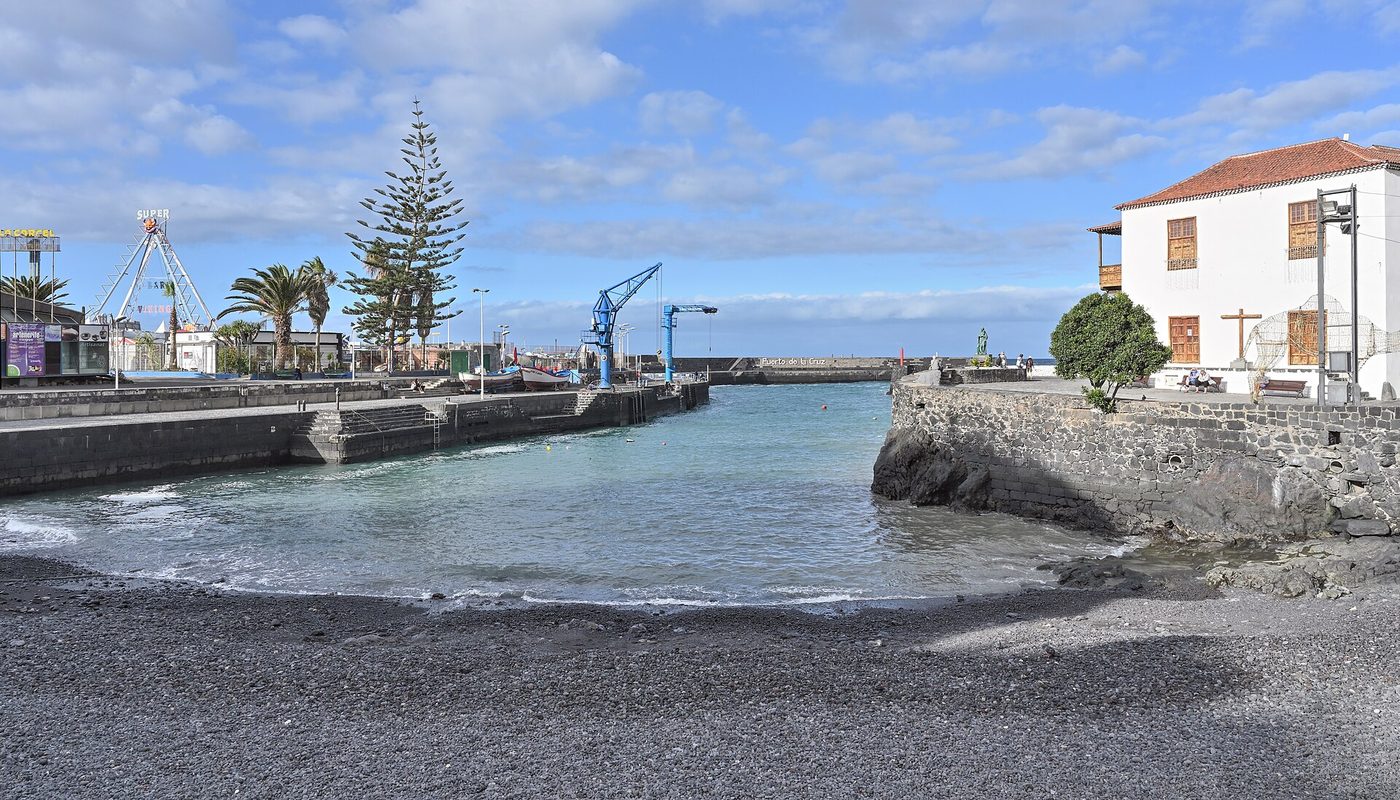
Puerto de la Cruz · Towns of Tenerife
Puerto de la Cruz: from wine port to the first resort
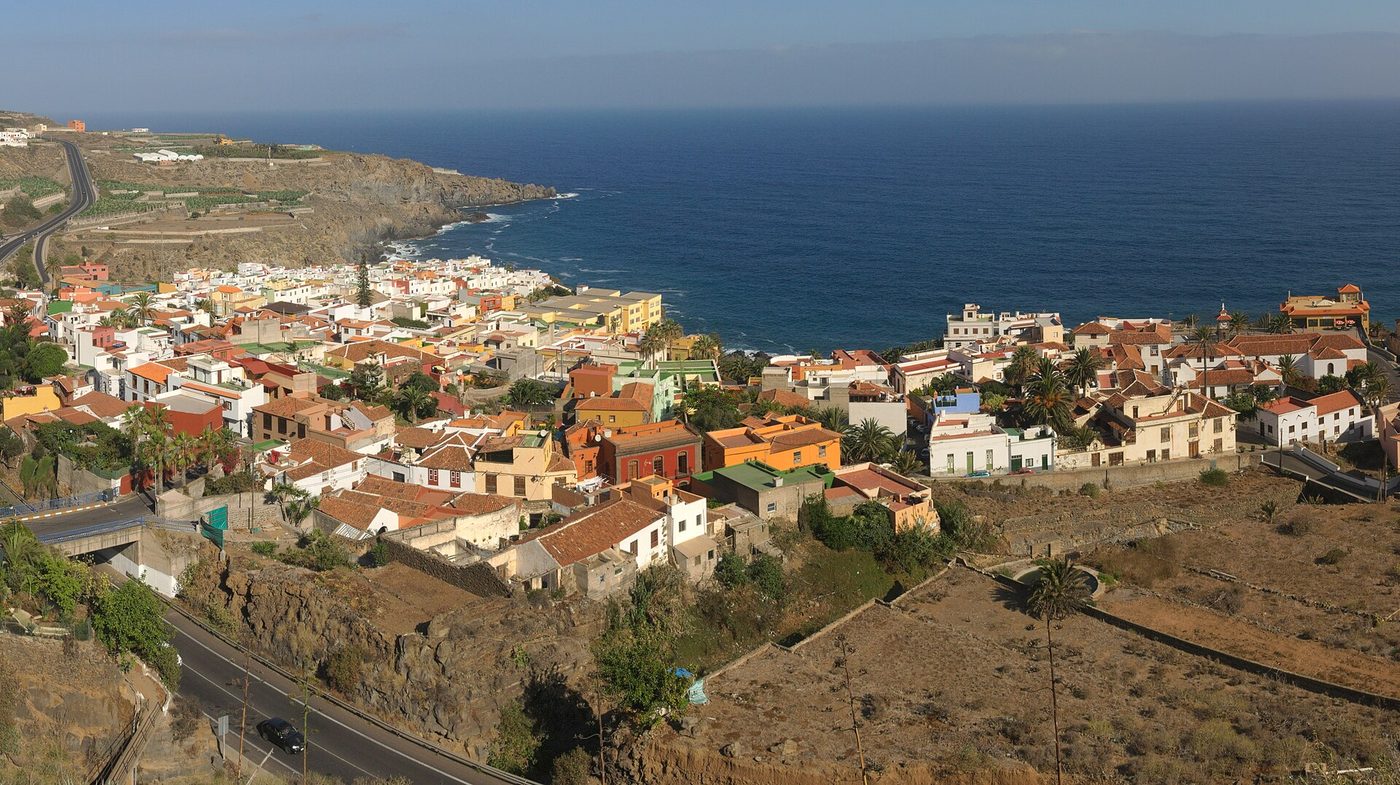
San Juan de la Rambla · Towns of Tenerife
San Juan de la Rambla: a village on the badlands