
Playa San Juan · Towns of Tenerife
Playa San Juan: Guía de Isora's harbour
A cove at the end of an ancient lava flow, a landing place for dye lichen in the 1520s, coastal sailors with a reputation, a fish cannery, a football club founded by fishermen in 1947 and a road that only arrived in the twentieth century. The story of the coast below Guía de Isora.
4 min read · 5 sources · Updated October 2026
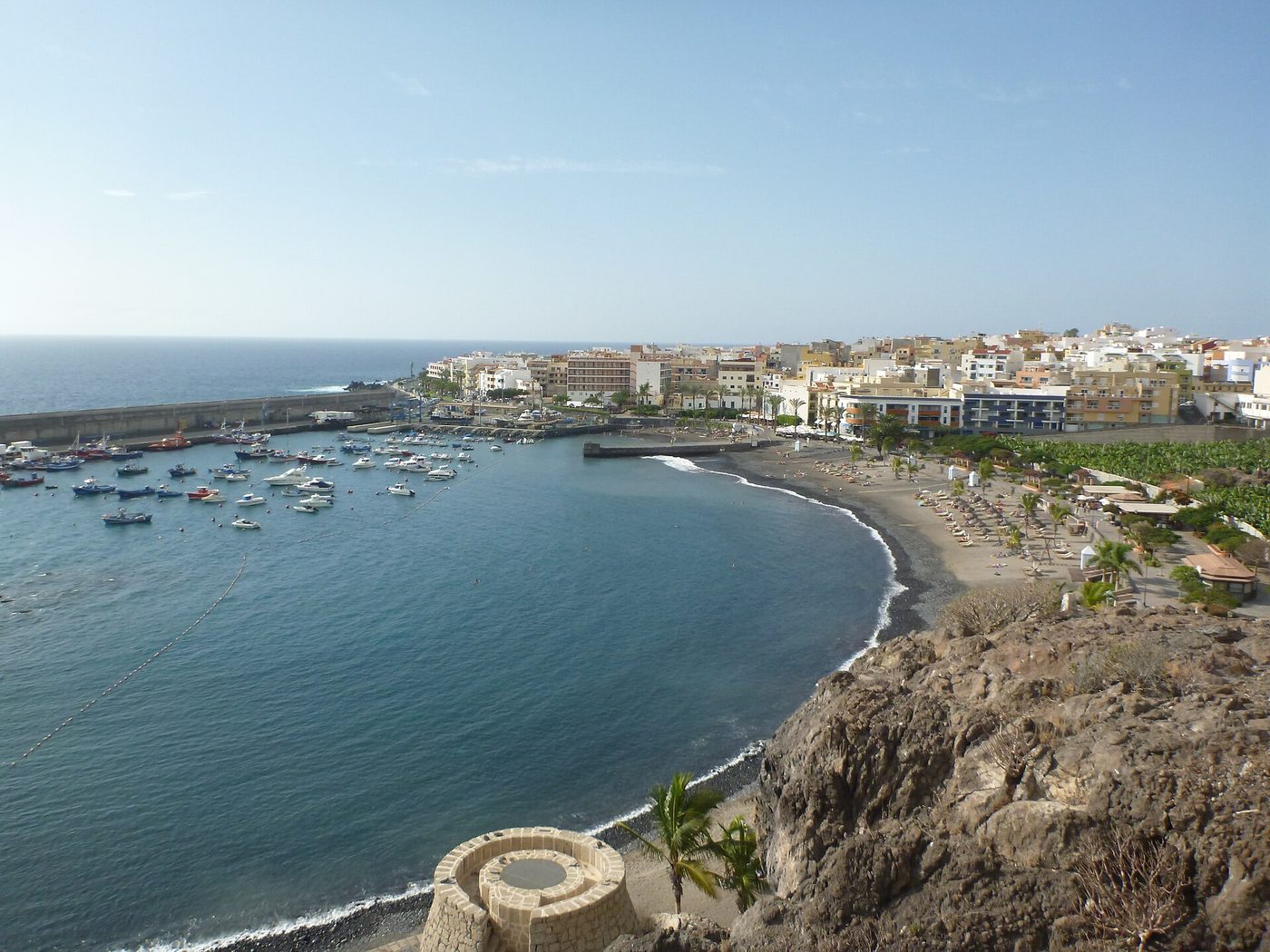
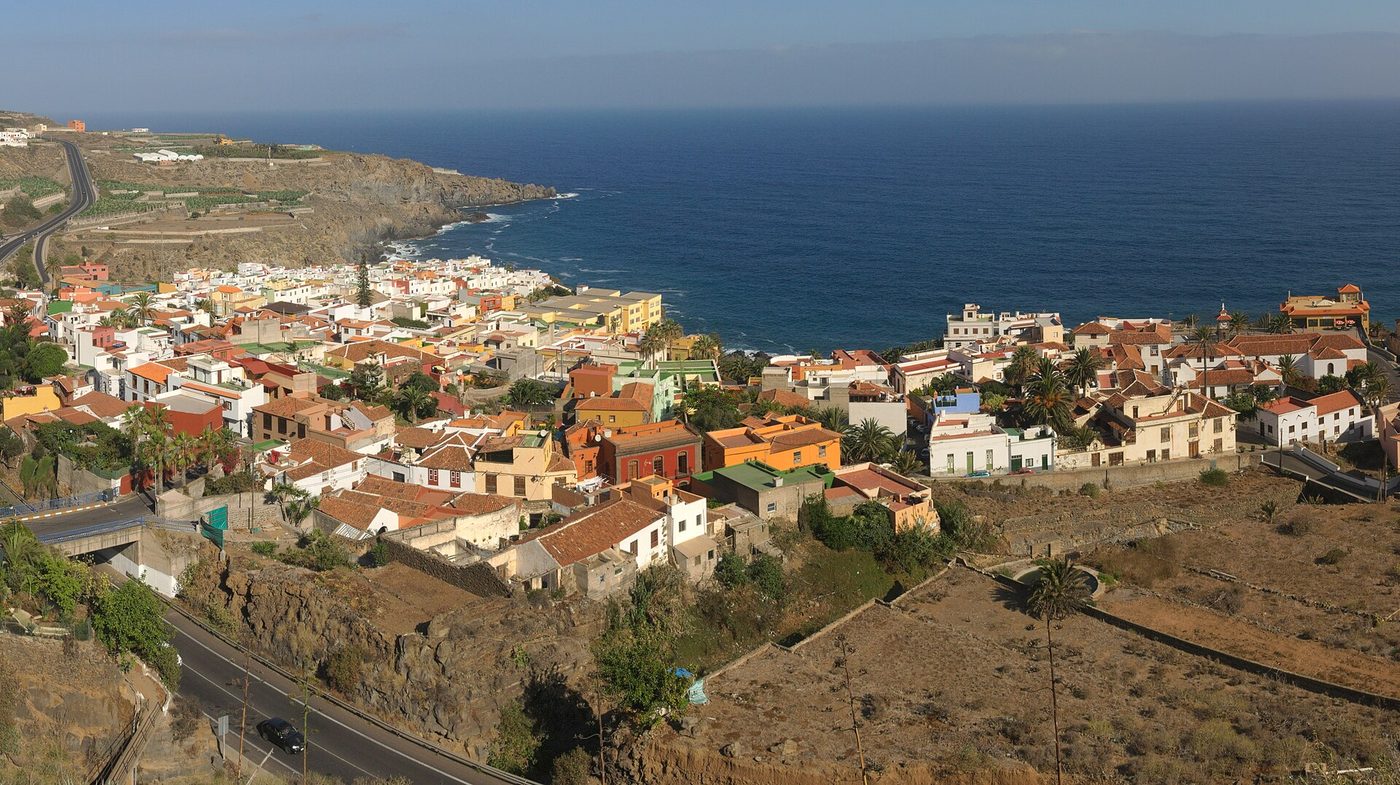
Playa San Juan · Wusel007, CC BY-SA 3.0
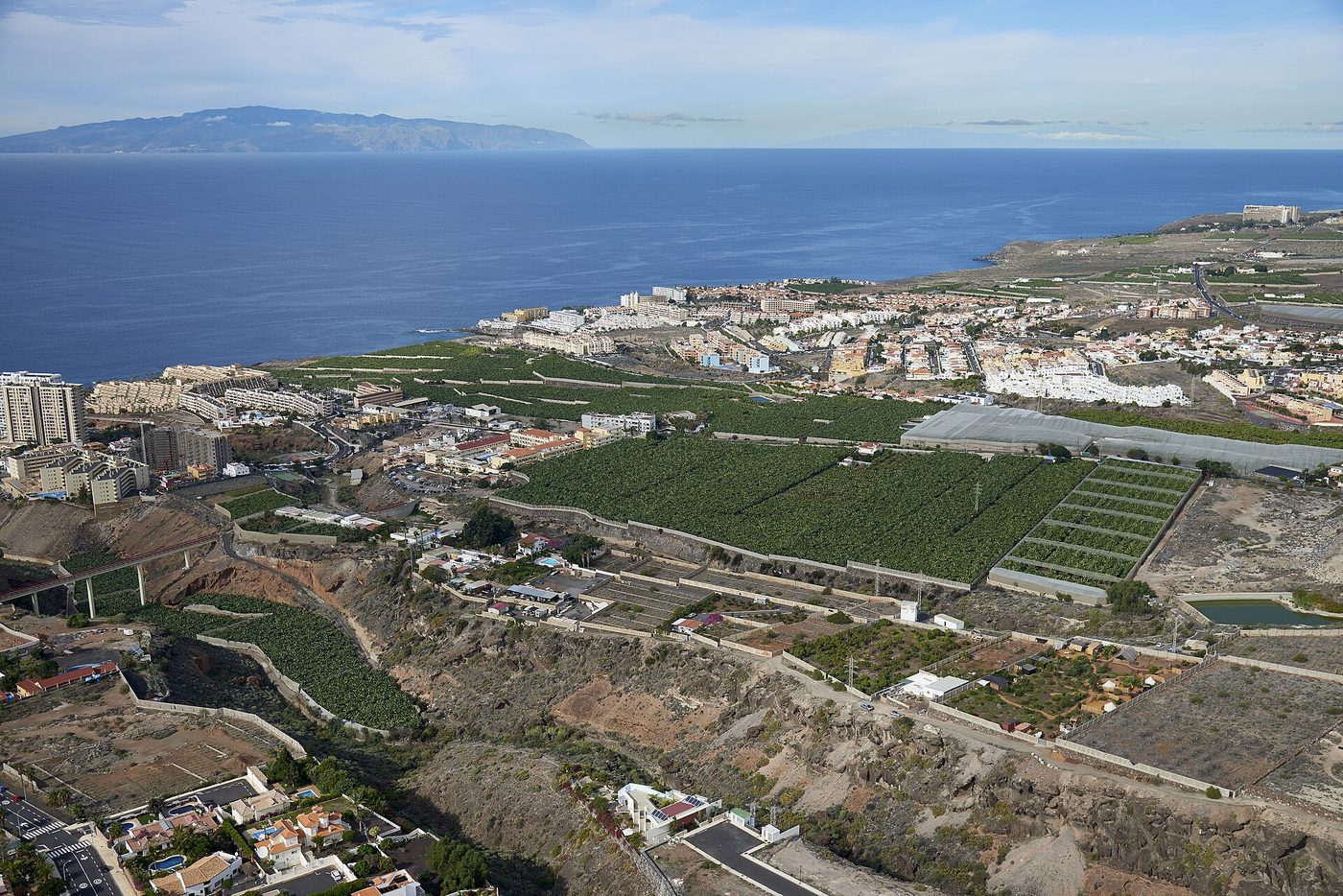
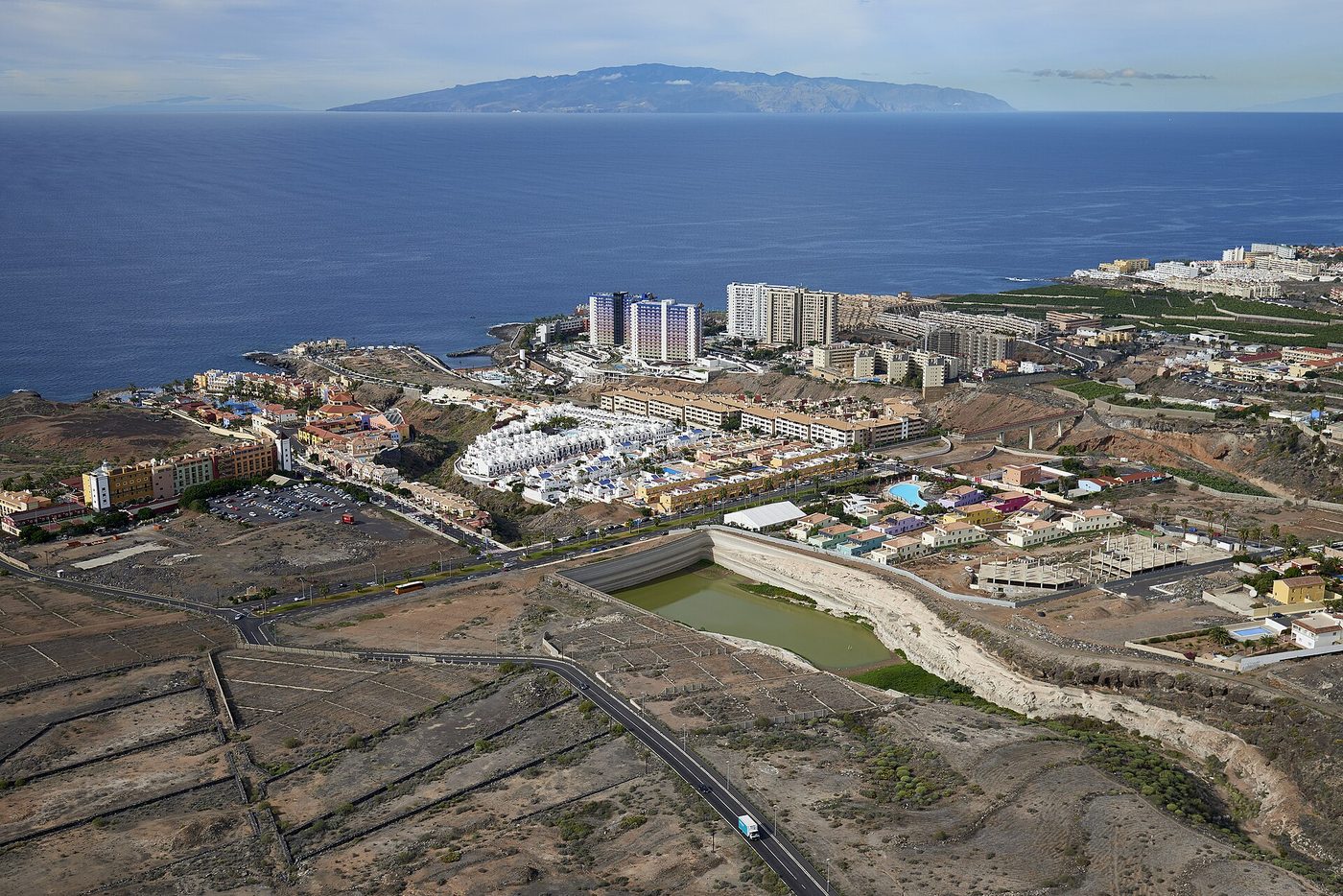
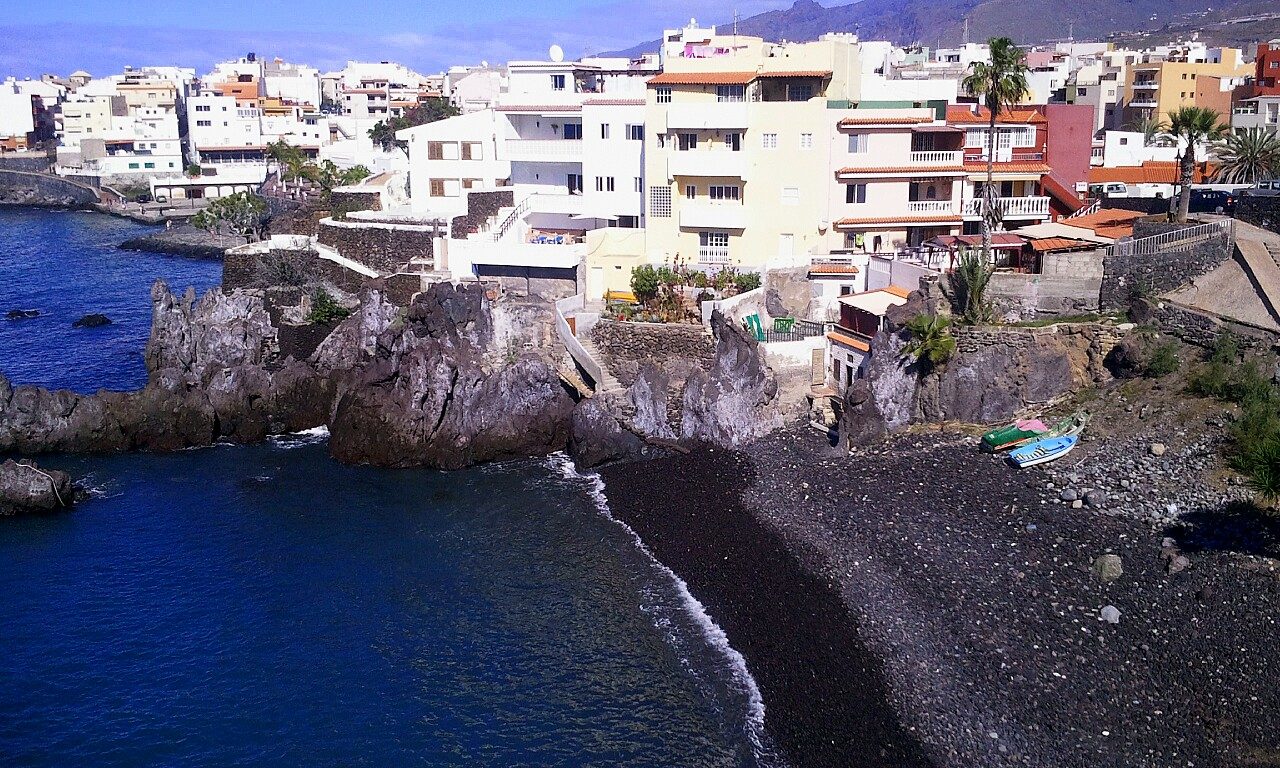
Playa San Juan is the seaside of Guía de Isora: a small bay sheltered by a headland, a dark sand beach, a harbour full of fishing boats and a town that has grown fast in recent decades. For most of its history, though, it was simply the place where the people of the western midlands reached the sea, and where the sea brought them news, goods and work.
Lava and lookouts
The bay owes its shape to a volcano. The lava flow of Cuevas Negras, which came down past Chirche, Aripe and the village of Guía, ends at Playa San Juan. It has not been dated directly, but it falls between eruptions dated to roughly 900 and 2,600 years ago, around the time the island was first settled.2 The Guanches knew this coast well. Archaeologists have recorded rock shelters on the cliffs of La Isorana with a view over the bay, and on the hill of La Tablada a small structure that looks out over Playa San Juan, Alcalá, the cliffs of Los Gigantes and La Gomera, which they interpret as a lookout. On the shore, finds of limpet shells, obsidian and pottery point to seasonal camps for herding, shellfish gathering and fishing.2
A cove for orchil
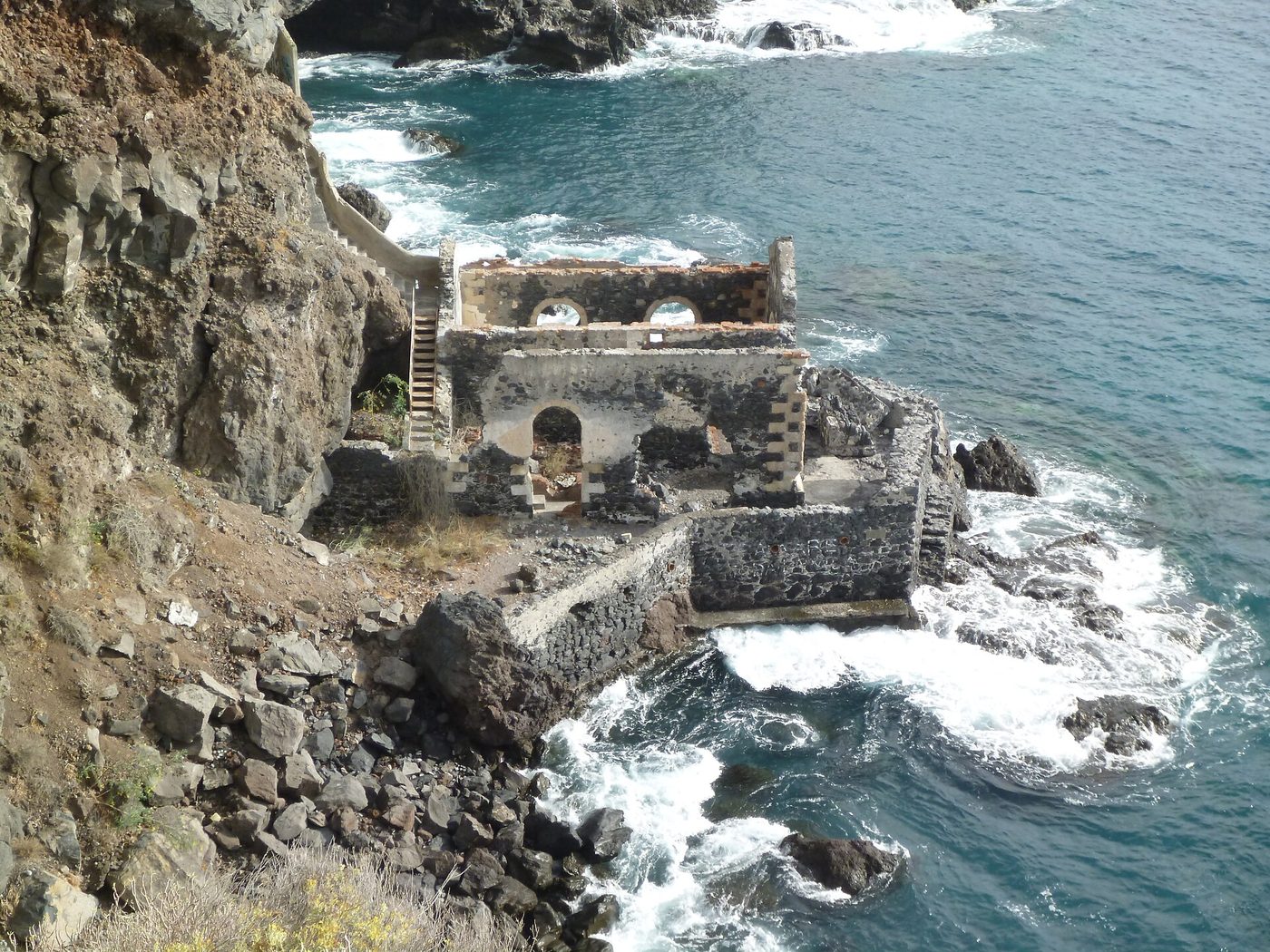
The earliest written mention comes from the trade in orchil, a lichen that grows on sea cliffs and was sold to Europe as a source of purple dye. In 1520 a contract in Tenerife's notarial records obliged a gatherer to deliver 100 hundredweight of orchil "at the cove of San Juan or at the port of Adeje".1 For the next four centuries the cove served the dispersed farming population of the Isora slopes. By the early twentieth century the coastal boats that linked the south of Tenerife with Santa Cruz and La Gomera drew their crews from here: the sailors of Playa San Juan and of the port of Adeje were said to be the best in the coastal trade.1 From 1911 a regular steamer service between Las Palmas, Santa Cruz and La Gomera called at Guía de Isora.1
The land route was much harder. According to the local historian Marcos Brito, the road from Guía de Isora down to Playa San Juan was built in the second decade of the twentieth century, and the coast road on to Alcalá in the early 1930s.3 Brito also records the industries that grew up on this stretch of shore: a lime kiln, now restored, the salt pans of Fonsalía on the way to Alcalá, and a fish cannery owned by the firm of Lloret y Llinares, now closed.3
Fishermen and footballers
The cannery and the boats shaped village life. When the football club Unión Deportiva Playa was founded in 1947, a few years after the Civil War, its founders were sailors, fishermen and workers, and its players came from the families of fishermen and of the employees of the Lloret y Llinares factory; local people paid the club's expenses out of their own pockets, and a landowner lent the first pitch.4 A municipal football ground was only built in 1984, at Agua Dulce, on land donated by Ulrich Ahlers.4
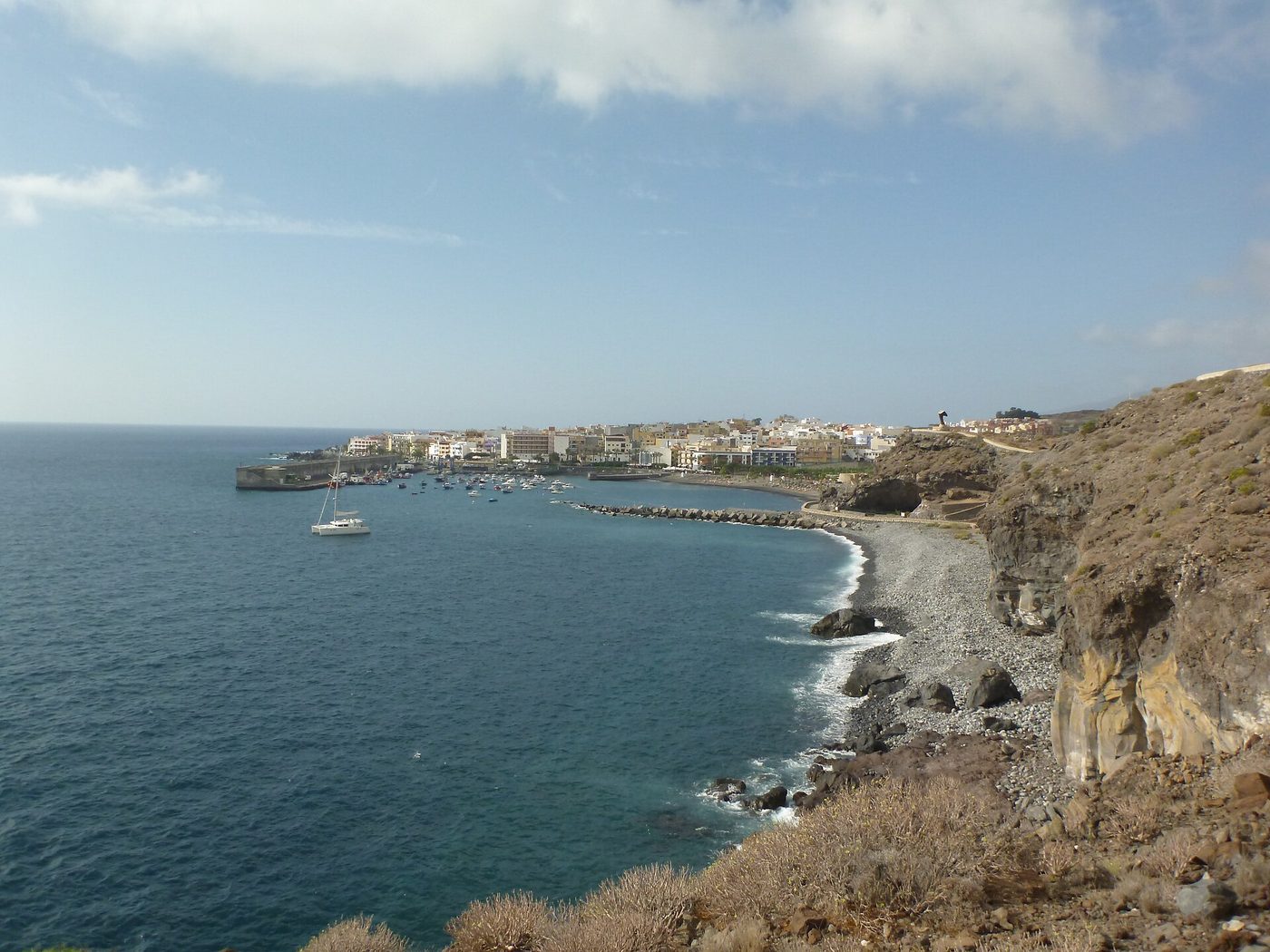
Today Playa San Juan is the main town on the coast of Guía de Isora. Its beach has flown the Blue Flag since 2012, and the fishing boats still share the harbour with pleasure craft.5 Nearby, golf courses and luxury hotels have been built at Abama; an emergency excavation there in 2001 found the base of a Guanche hut at the mouth of a ravine, a reminder that people have used this shore for a very long time.2
Notes and sources
- 1.A. Mederos Martín and G. Escribano Cobo, "Prospección arqueológica de La Caleta de Adeje (Tenerife, Islas Canarias)", Revista de Historia Canaria 198 (2016), pp. 177-229 (orchil contracts of 1520, coastal sailors, the steamer route of 1911). riull.ull.es
- 2.A. Mederos Martín, G. Escribano Cobo and V. Valencia Afonso, "Grabados rupestres, espacios domésticos y prácticas funerarias en el municipio de Guía de Isora (Tenerife, Islas Canarias)", Anuario de Estudios Atlánticos 72 (2025), 072-001. revistas.grancanaria.com
- 3.Local historian: M. Brito, "Playa de San Juan. Guía de Isora" (blog post, 18 December 2020), drawing on his book Paisaje en las Bandas del Sur (Tenerife 1890-1960). marcosbritom.blogspot.com
- 4.Press: N. Martín, "Playa San Juan recupera la Unión Deportiva Playa, el equipo histórico del pueblo", Diario de Avisos, 3 September 2023. diariodeavisos.elespanol.com
- 5.Cabildo de Tenerife (Wonderful Tenerife), Descubre Guía de Isora, tourist guide. wonderfultenerife.com
What's on in Guía de Isora now →
Fiestas, concerts and events from the town hall agenda, updated daily.
More towns in the series
La Laguna · Towns of Tenerife
San Cristóbal de La Laguna: a town planned for peace
Garachico · Towns of Tenerife
Garachico: the port the volcano took
Bajamar · Towns of Tenerife
Bajamar and Punta del Hidalgo: La Laguna's shore
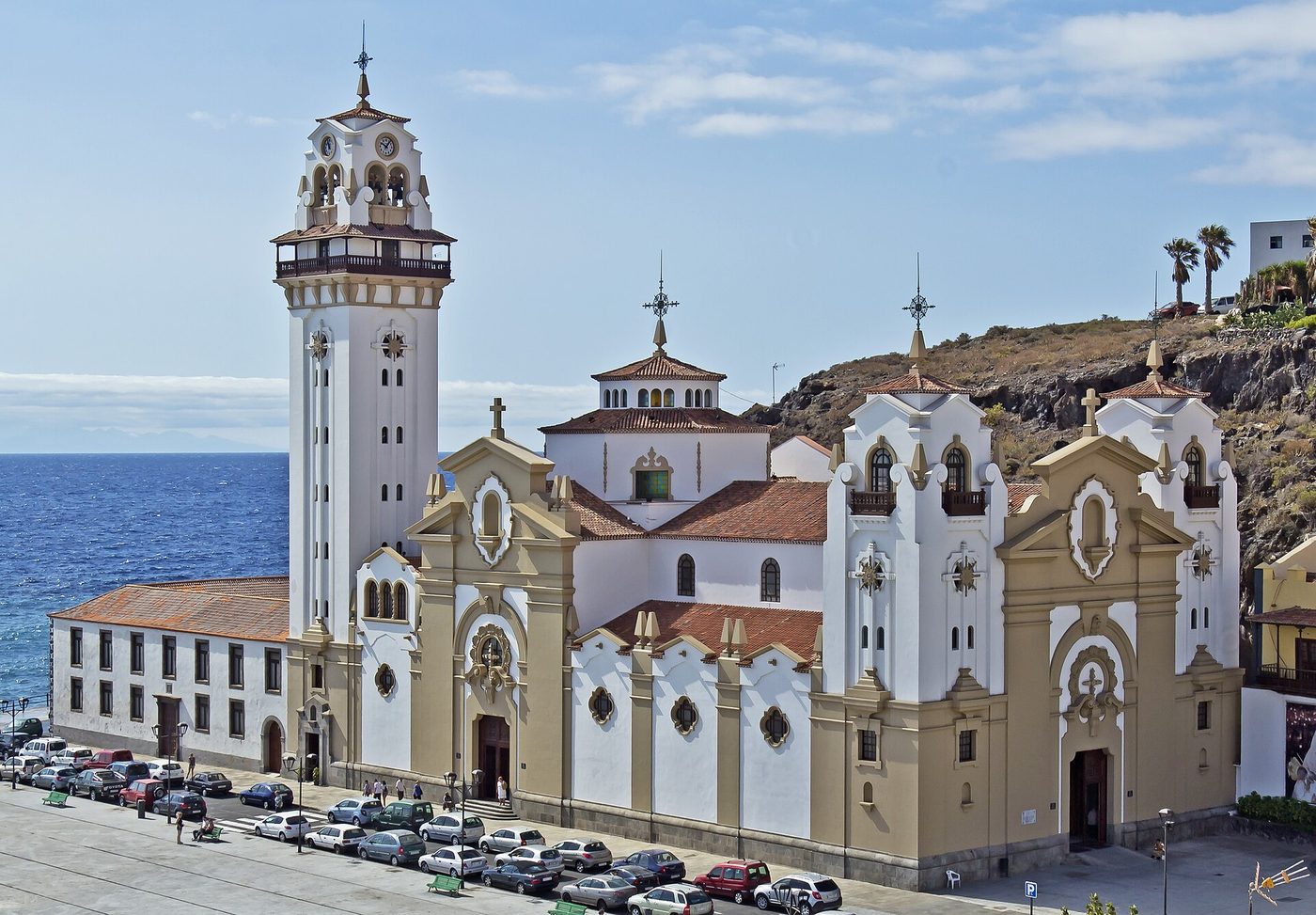
Candelaria · Towns of Tenerife
Candelaria: the shrine on the shore
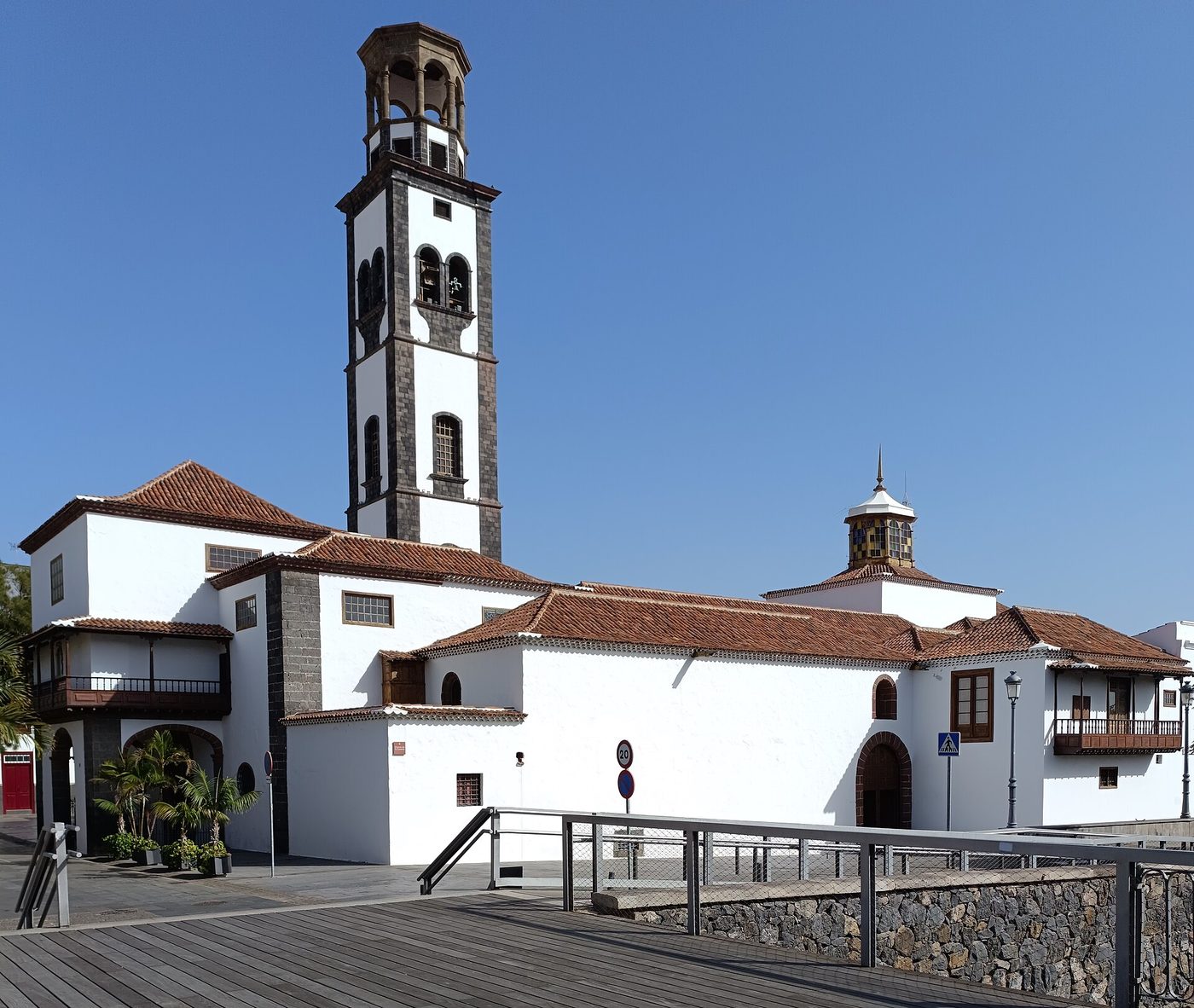
Santa Cruz de Tenerife · Towns of Tenerife
Santa Cruz: from army camp to capital
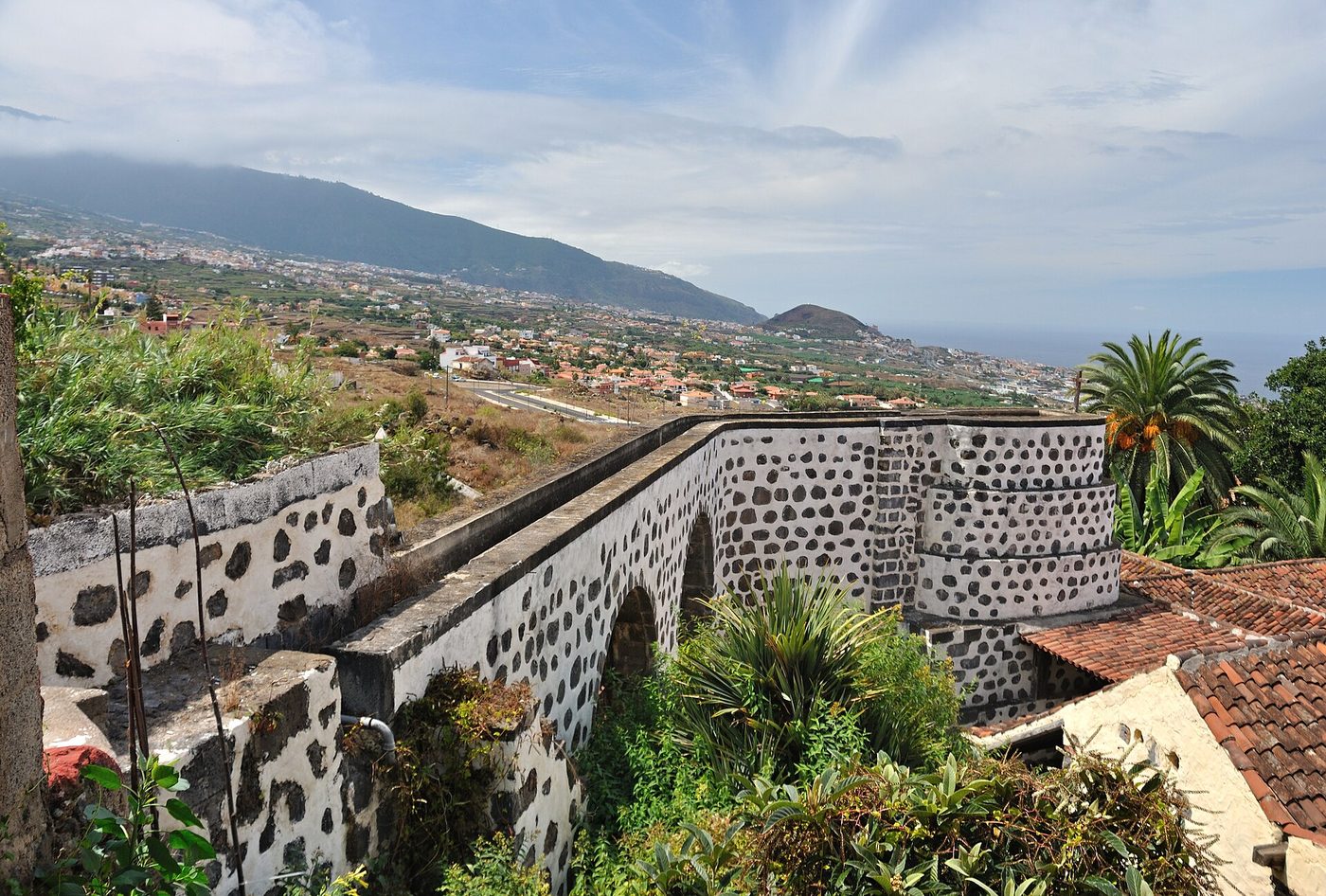
La Orotava · Towns of Tenerife
La Orotava: a town drawn with a cord
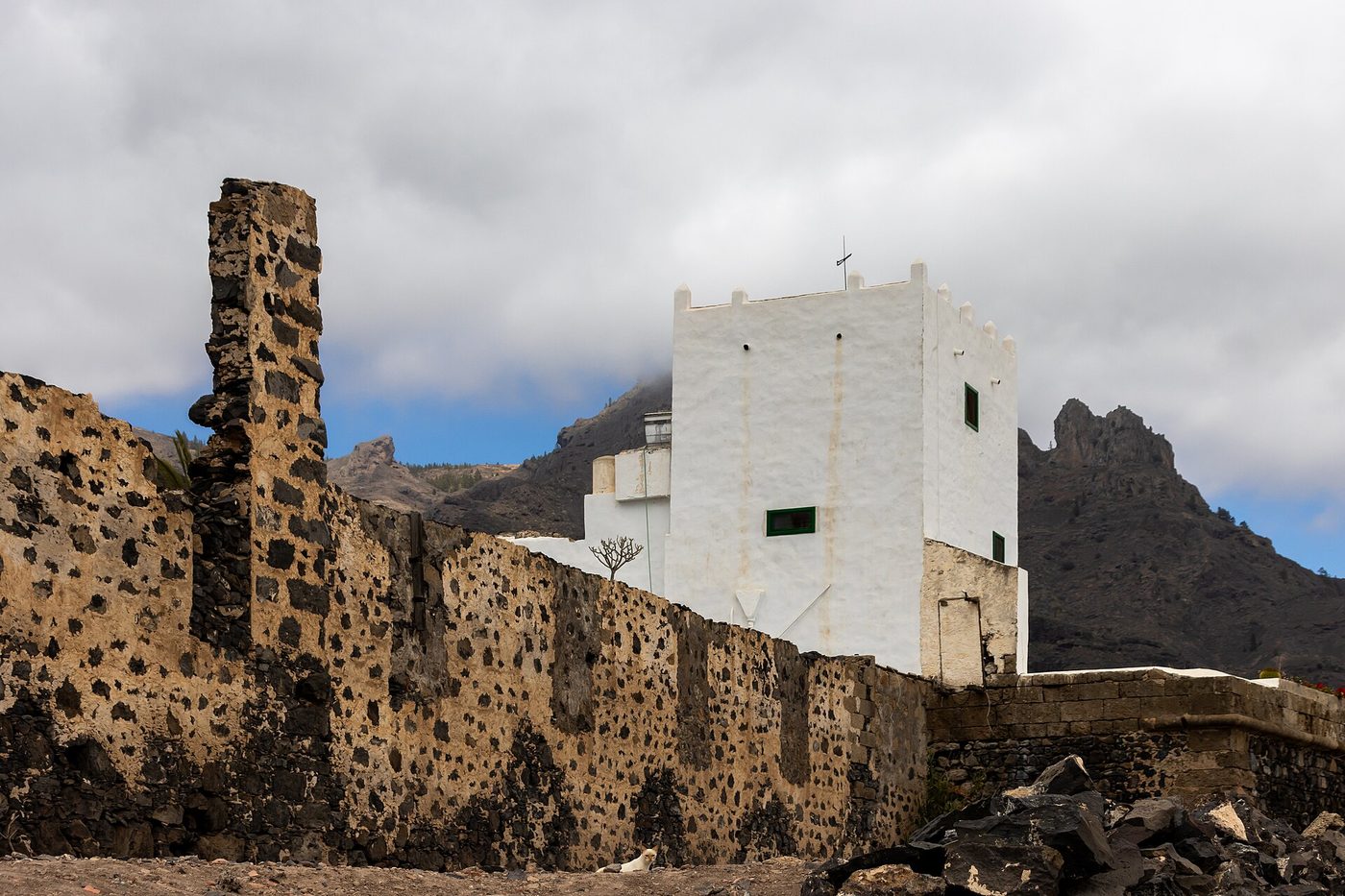
Adeje · Towns of Tenerife
Adeje: the kingdom, the fortress and the marquises
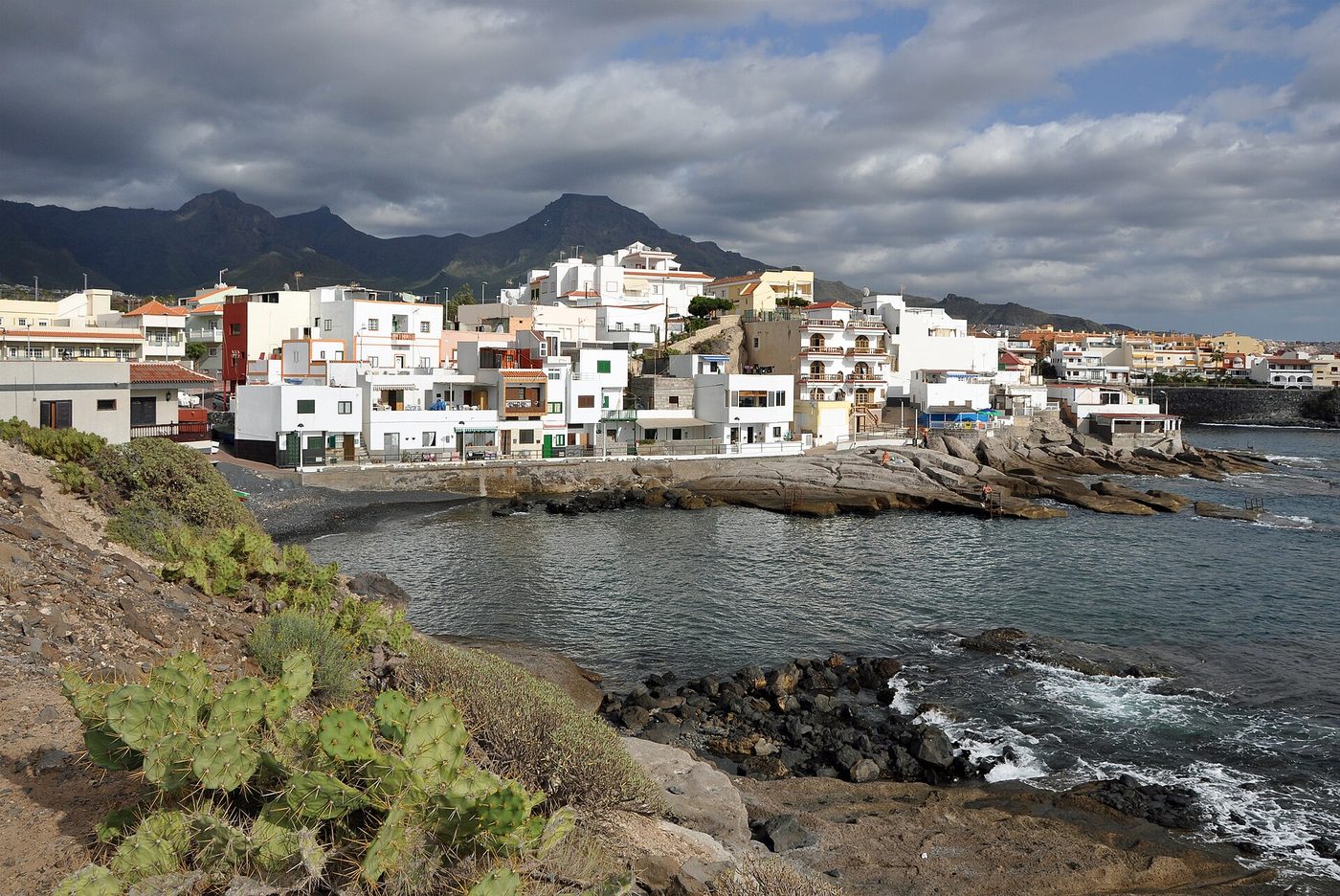
La Caleta · Towns of Tenerife
La Caleta: Adeje's old harbour
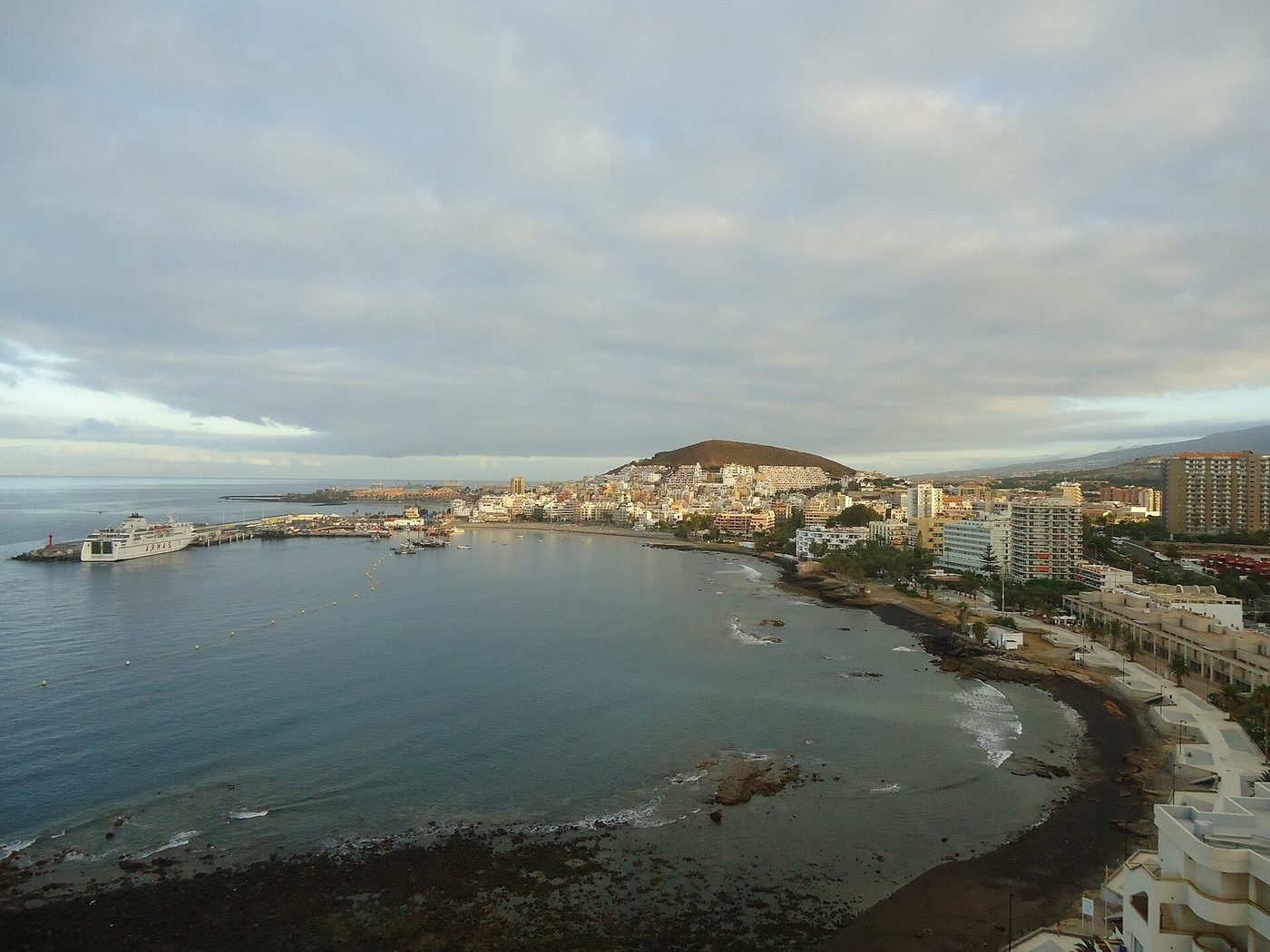
Los Cristianos · Towns of Tenerife
Los Cristianos: the south's harbour
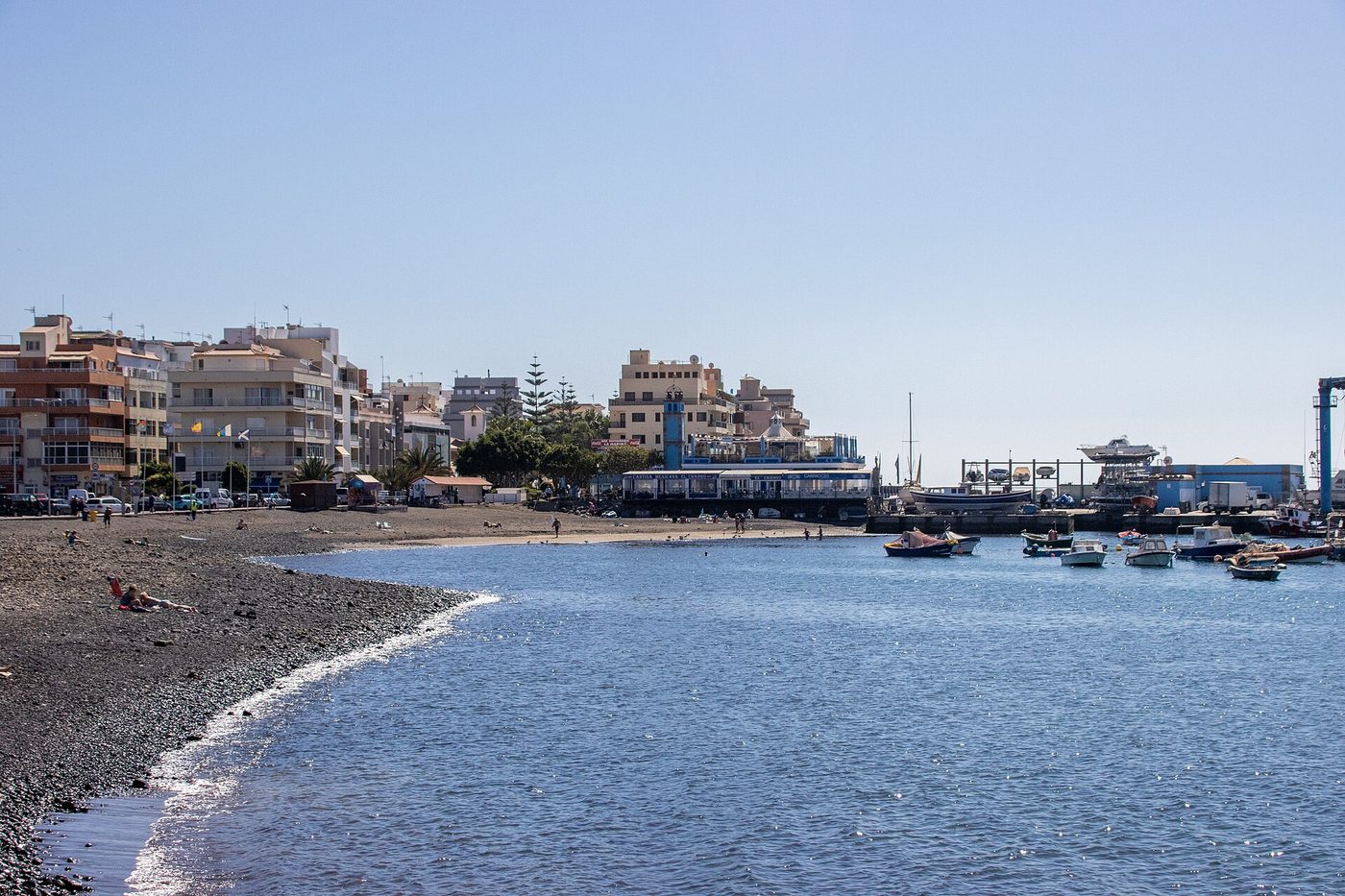
Las Galletas · Towns of Tenerife
Las Galletas: salt, fish and a garden city
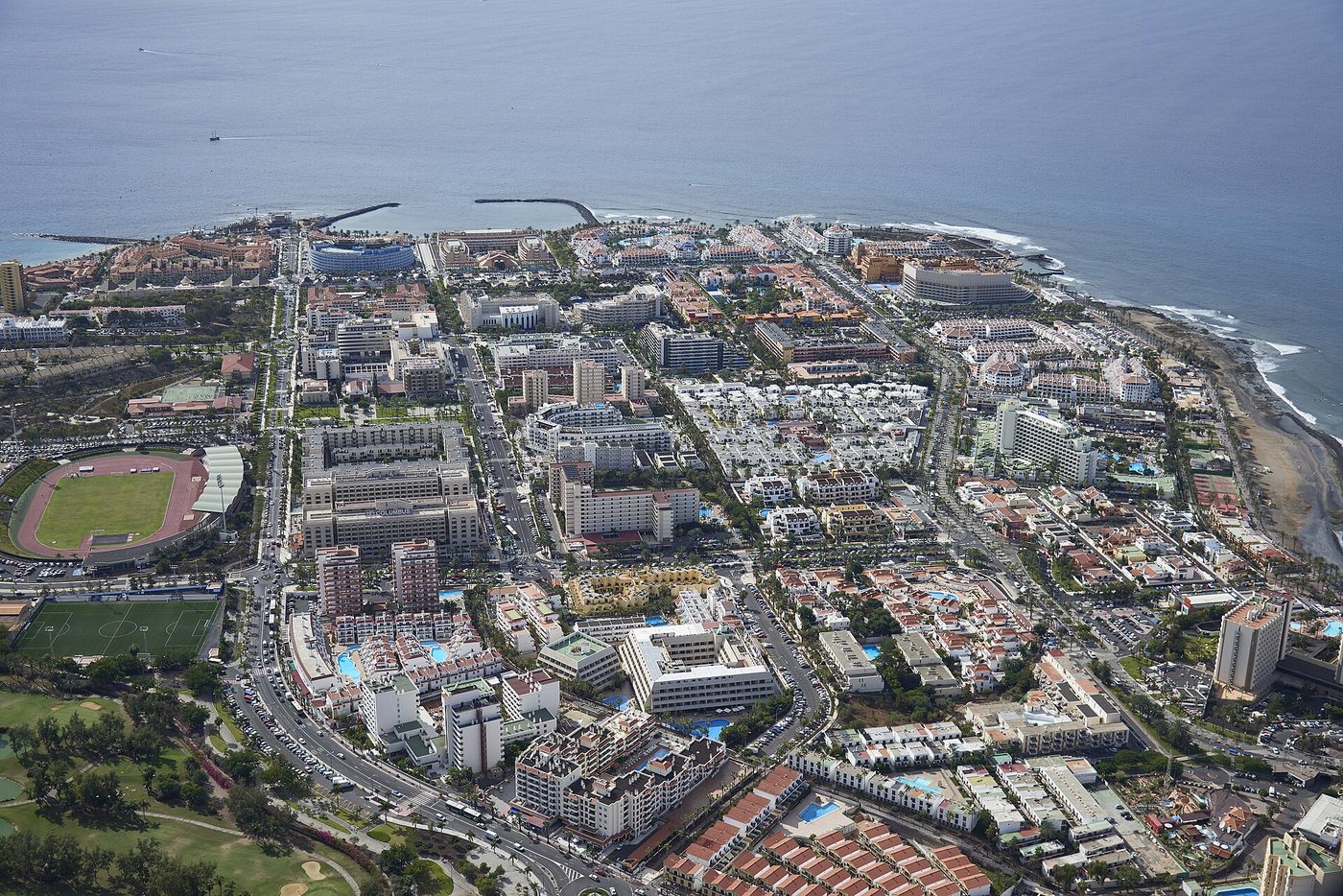
Playa de las Américas · Towns of Tenerife
Playa de las Américas: a resort from scratch
Callao Salvaje · Towns of Tenerife
Callao Salvaje: a resort by decree
Playa Paraíso · Towns of Tenerife
Playa Paraíso: a paradise on paper
Guía de Isora · Towns of Tenerife
Guía de Isora: from Teide to the sea
Alcalá · Towns of Tenerife
Alcalá: a fishing village on the lava
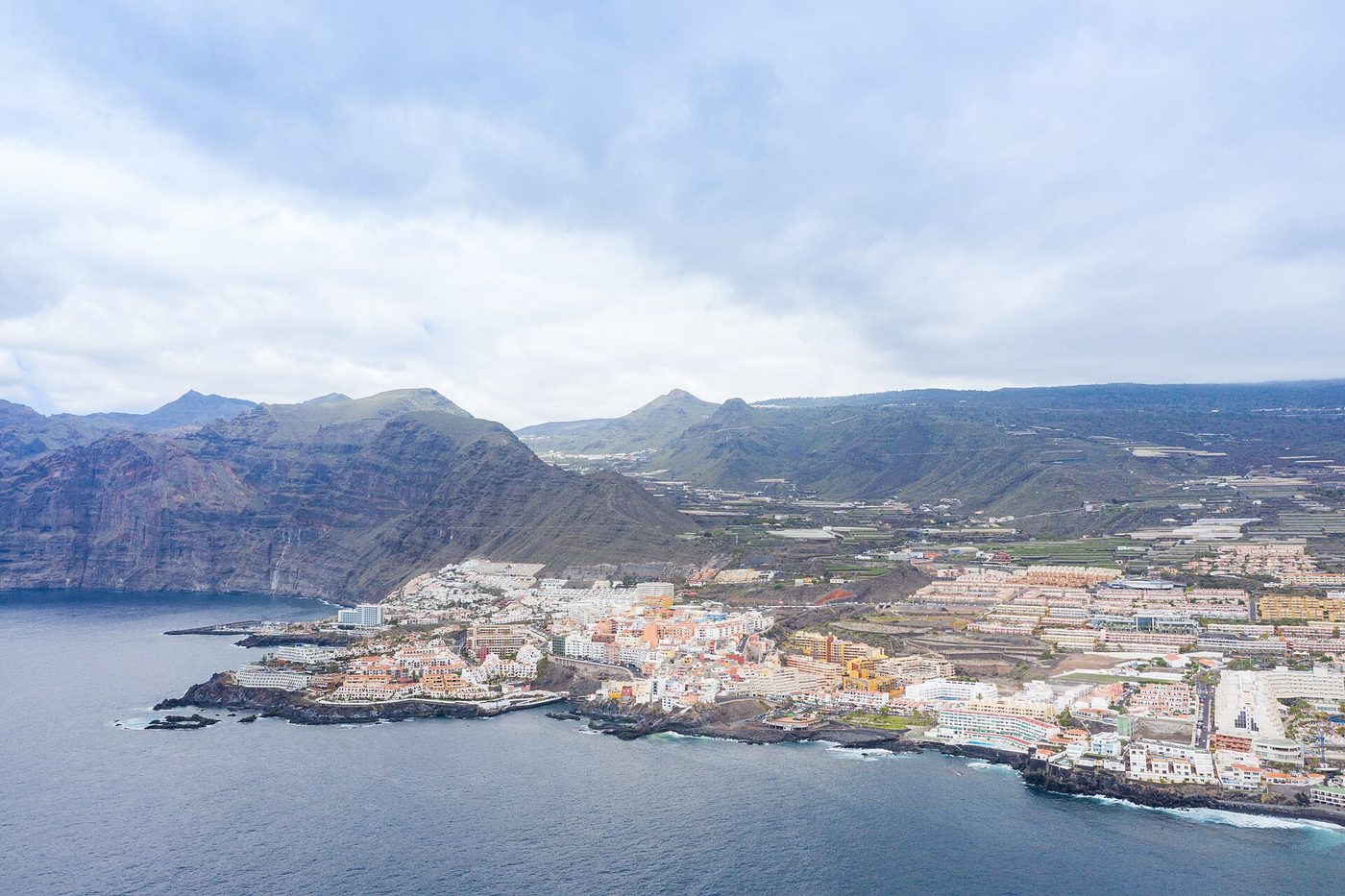
Puerto Santiago · Towns of Tenerife
Puerto Santiago and Los Gigantes: life below the cliffs
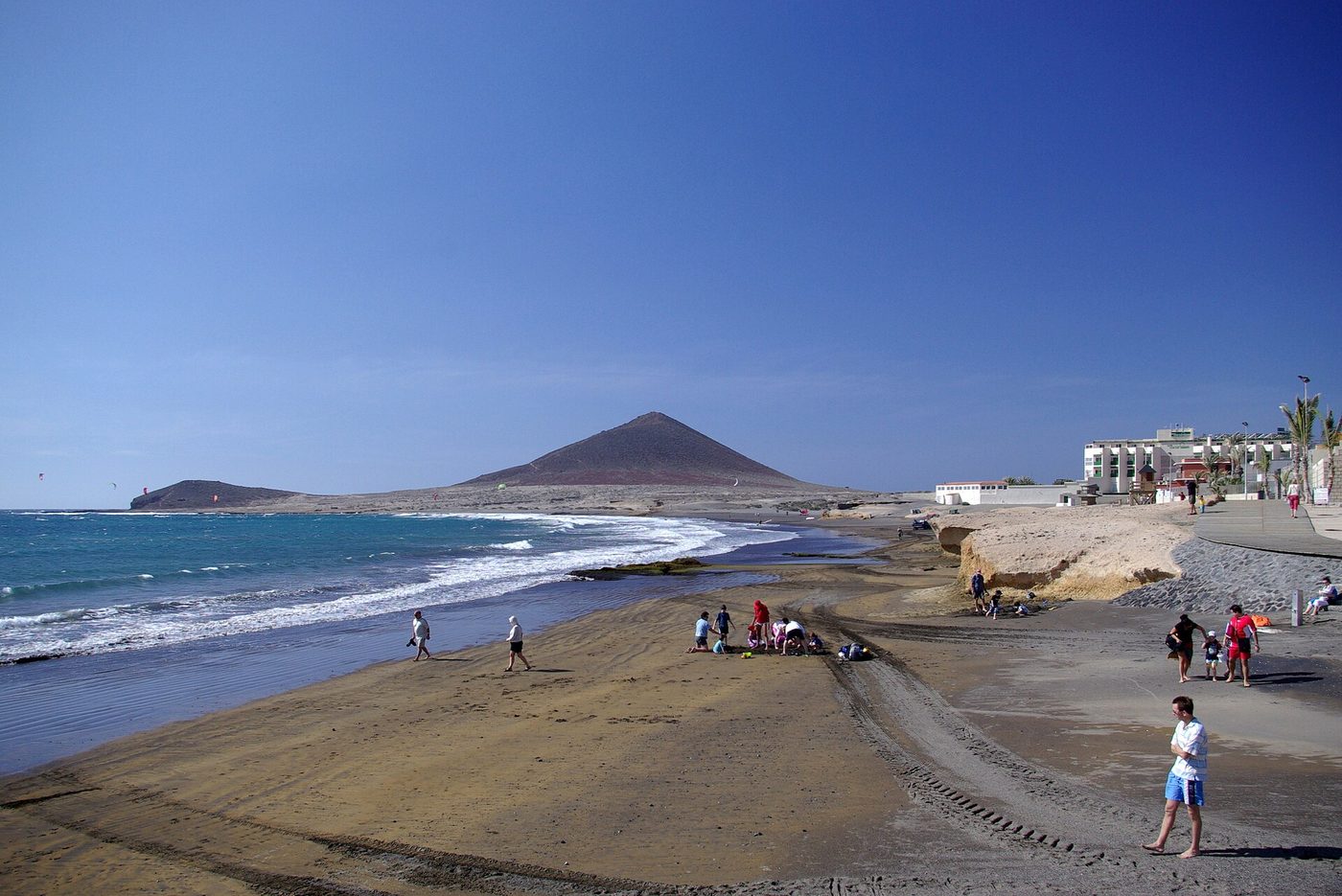
El Médano · Towns of Tenerife
El Médano: the harbour under the red mountain
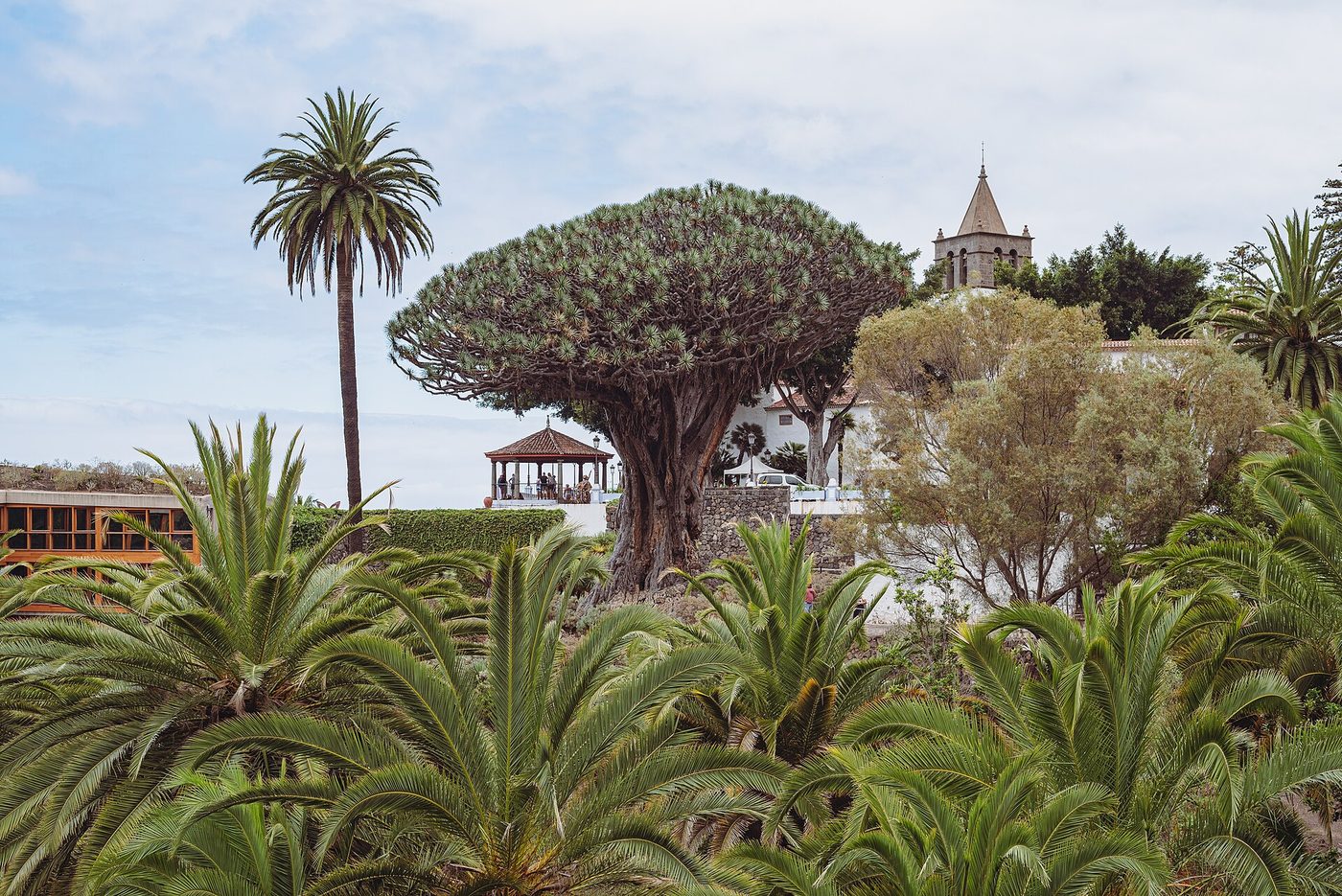
Icod de los Vinos · Towns of Tenerife
Icod de los Vinos: the dragon tree and the cove of San Marcos
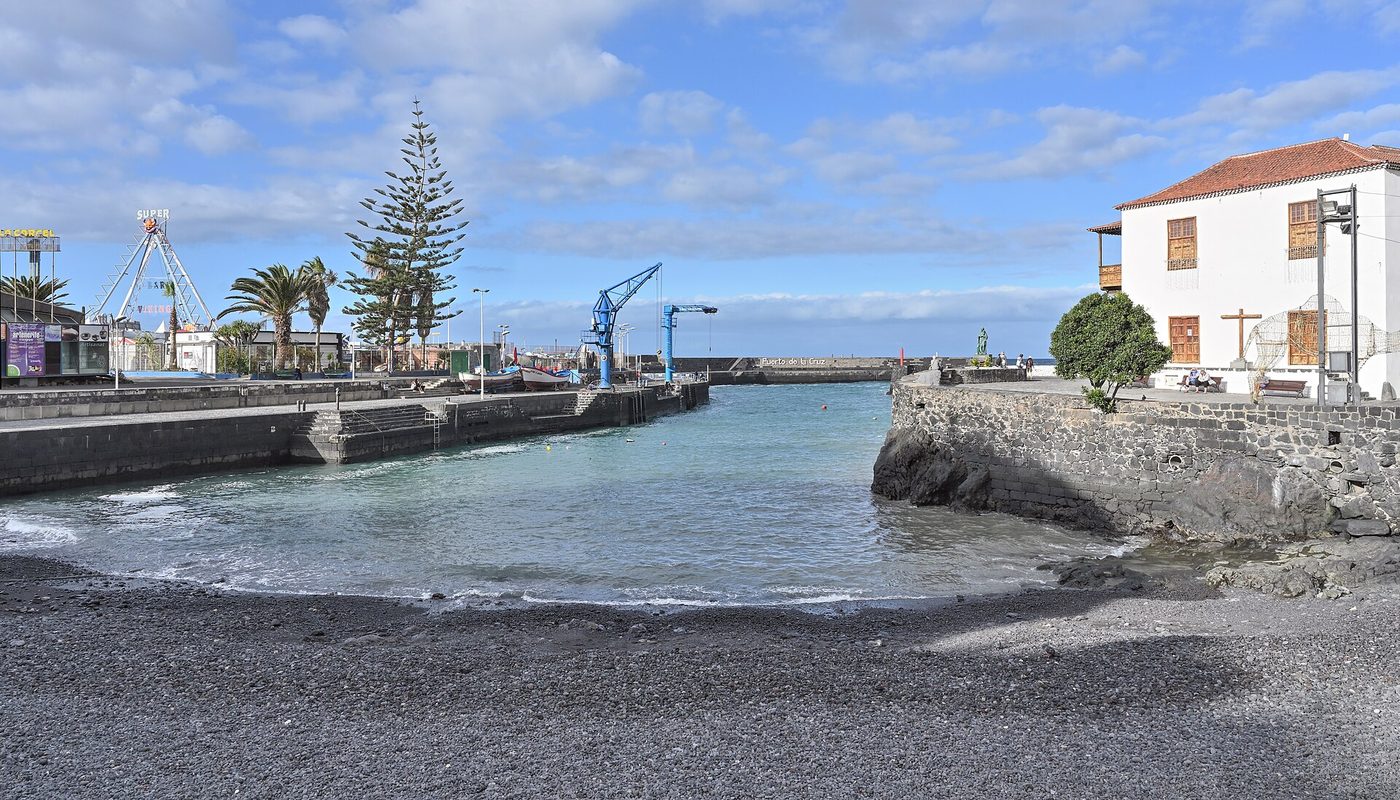
Puerto de la Cruz · Towns of Tenerife
Puerto de la Cruz: from wine port to the first resort
San Juan de la Rambla · Towns of Tenerife
San Juan de la Rambla: a village on the badlands
Buenavista del Norte · Towns of Tenerife
Buenavista del Norte: a planned town at the end of the island