
Santa Cruz de Tenerife · Towns of Tenerife
Santa Cruz: from army camp to capital
A beach camp for the conquerors in 1494, a royal harbour with a few dozen houses, then the seat of the captains general, the town that stopped Nelson and, after a long quarrel with La Laguna and Las Palmas, the capital of the Canary Islands. How a port made a city.
7 min read · 6 sources · Updated October 2026
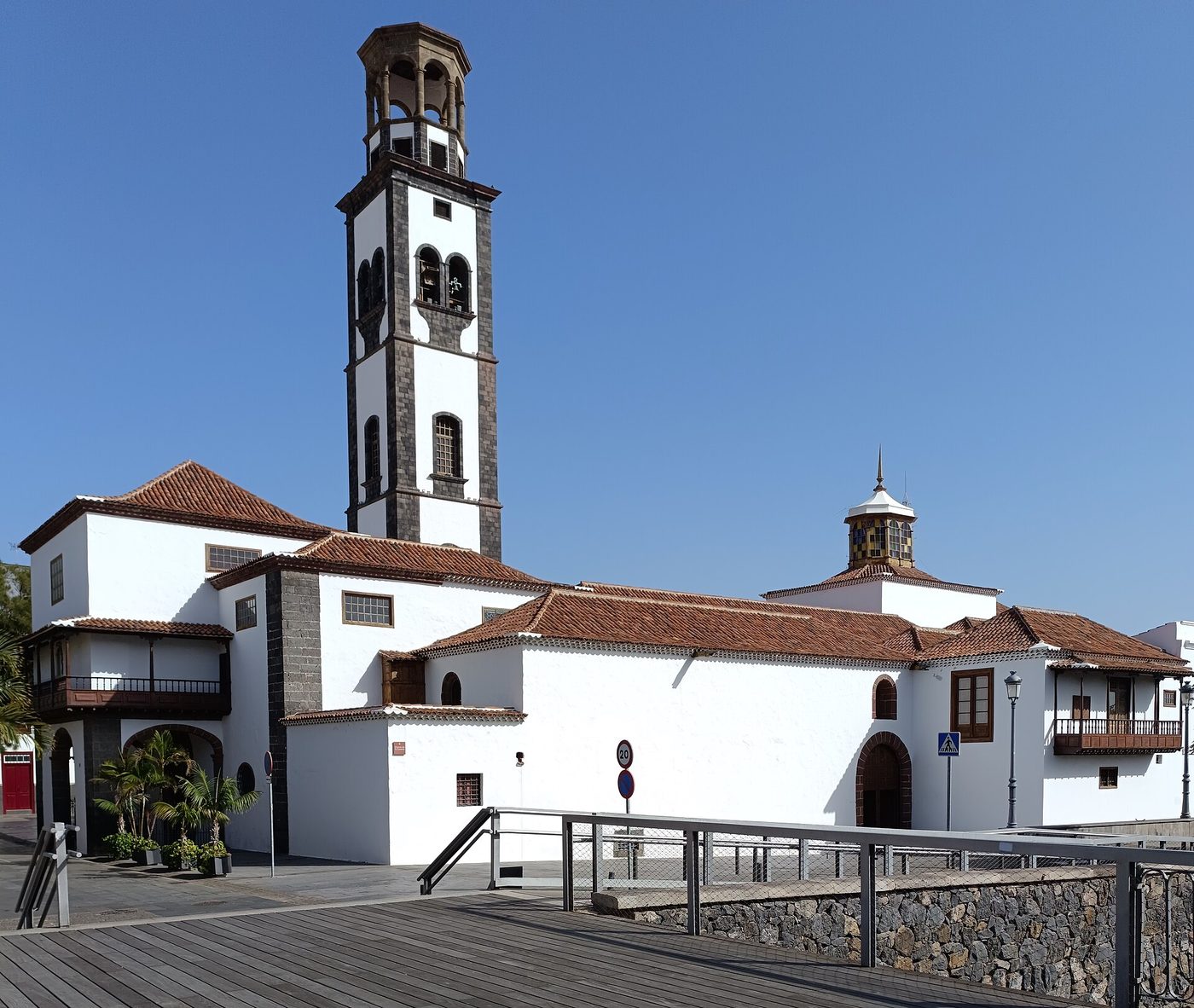
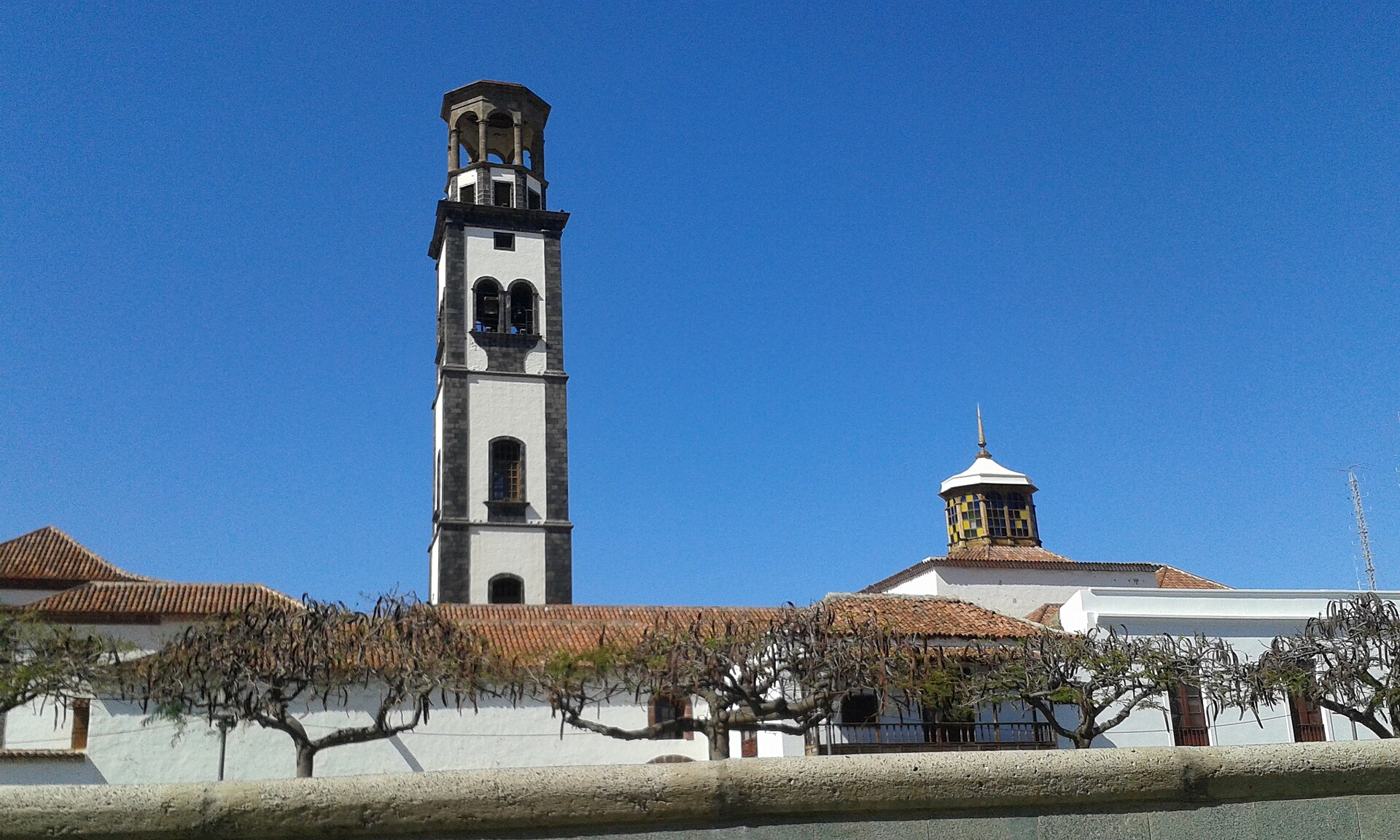
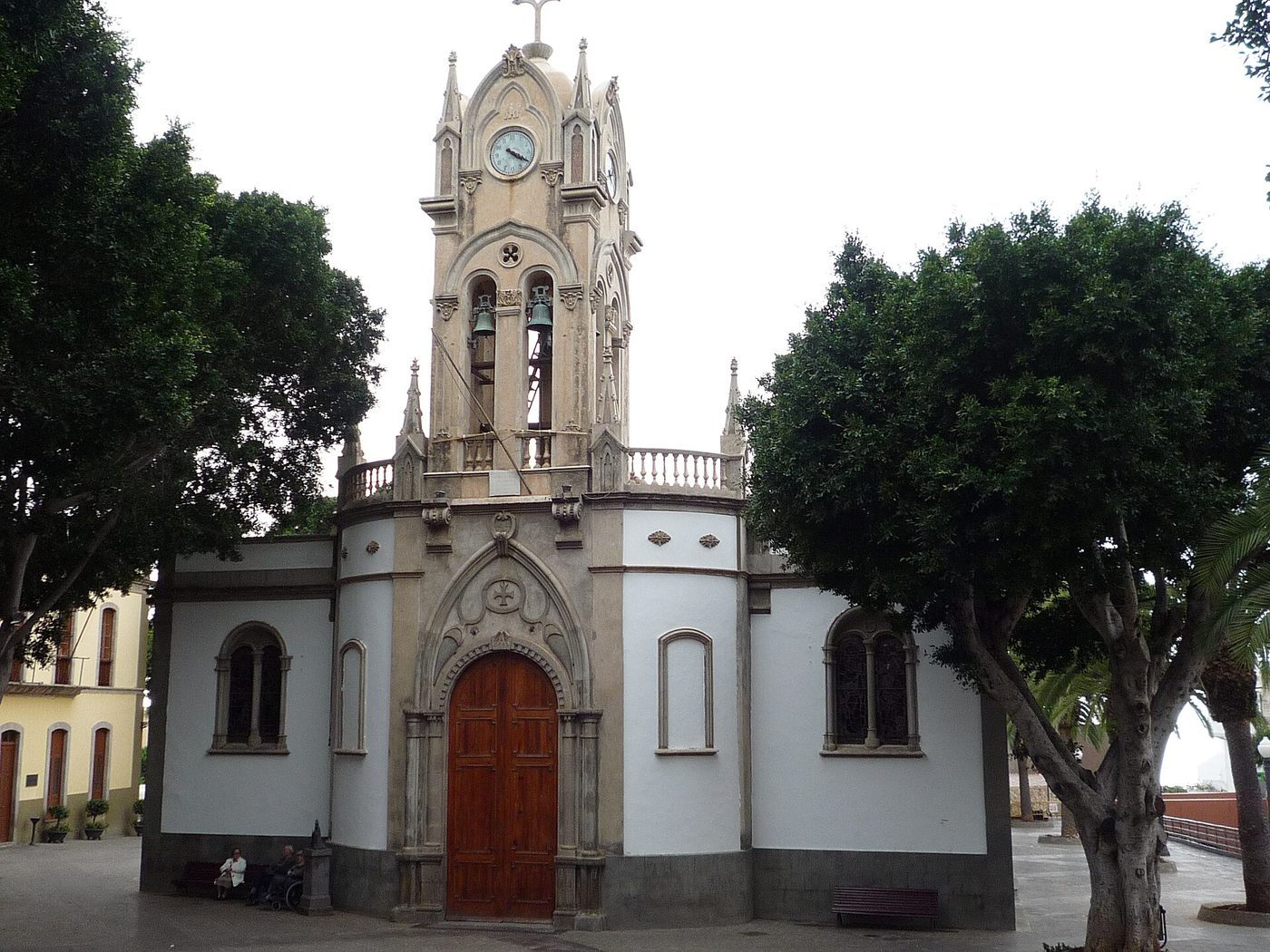
Iglesia de la Concepción · Carlos Teixidor Cadenas, CC BY 4.0
Santa Cruz did not set out to be a capital. For two centuries it was the harbour of somebody else's city, a strip of houses between a ravine and the sea that served La Laguna, the island's capital up on its plateau. What changed its fate was the sea: the ships that called on their way to the Americas, the captains general who preferred to live by their fleet, and the port trade that made a merchant class rich. By the nineteenth century the harbour had overtaken the city it served.
A camp by the ravine
In May 1494, traditionally on the 3rd, Alonso Fernández de Lugo landed his army beside the ravine of Añazo and set up a fortified camp. It was a defensible spot on what seems to have been the edge of the kingdom of Güímar, whose Guanches did not oppose the newcomers.1 The city council's own historical summary places the area in the kingdom of Anaga instead, a reminder that the borders of the Guanche kingdoms are still debated.5 From this camp the Castilians marched inland, were defeated at Acentejo, withdrew and came back with reinforcements in 1495 and 1496.1 The ravine later took the name of Santos, after the house of a merchant and slave trader called Diego Santos who lived nearby.1
Once the conquest was over, the camp's anchorage became the island's first harbour. From the early sixteenth century the land grants already call it the Puerto Real, the royal port through which official traffic and the fleets bound for the Atlantic had to pass.1
The royal port
The first town was tiny. Its core was the church of La Concepción, documented from 1501, with a group of houses and a small square beside it and the governor's houses to the east.16 The settlement was nearly empty in the 1510s and 1520s, partly because Lugo had forced many of its settlers to join his expeditions to the Saharan coast, from which many never returned.1 New grants in the 1520s and 1550s extended it westwards, laying out what is now Calle de La Candelaria.1
Defence was a constant worry. A tower was designed in 1511 but never built; instead, in 1513, a gun platform was raised on a tongue of basalt north of the landing place, restored in 1543 and replaced from 1553 by the island's first fortress. Most of the raiders in those years were French corsairs, a side effect of the wars between Charles V and Francis I.1 Until 1547 people and goods came ashore in small boats on a pebble cove; from the late 1540s a mole made landing easier, although the council's history records that the first one was soon wrecked by a storm.15 The archaeologist Alberto García Montes de Oca counts more than a hundred shipwrecks in the harbour in the sixteenth century alone.1
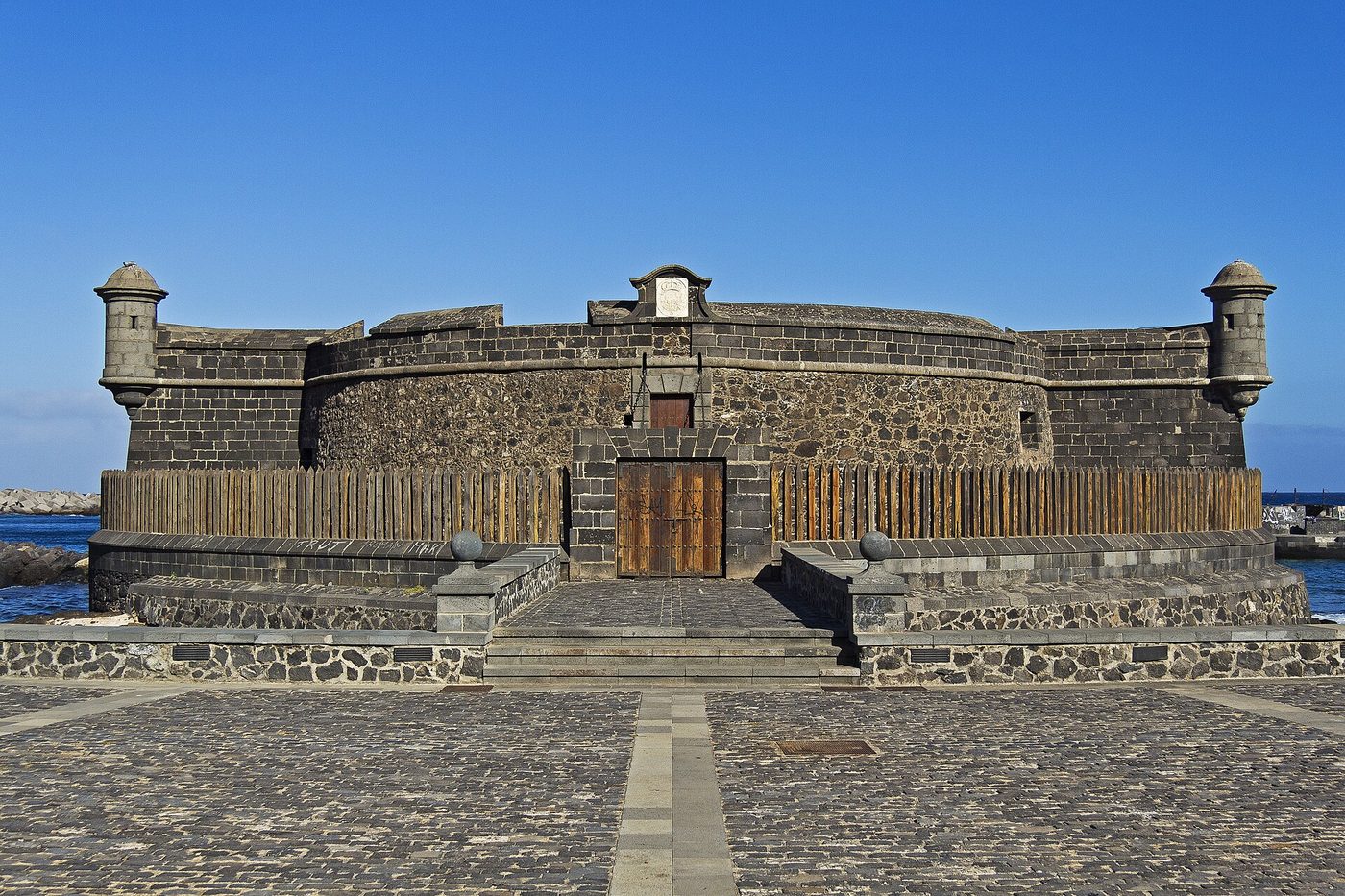
The defences grew with the town. The castle of San Cristóbal, which has since disappeared, became its main fortress, and in 1641, when the revolts in Portugal and Catalonia left the island feeling exposed, the black stone castle of San Juan was built at the southern end of the bay.16
The captains general move in
The eighteenth century turned the harbour into a town. Two things happened almost at once. In 1706 the eruption that destroyed the port of Garachico removed Santa Cruz's main rival in the north. And in 1723 the commandant general of the Canaries, the Marquis of Valhermoso, moved his residence from La Laguna to Santa Cruz, and the town was made the only authorised port of the province, drawing almost all trade to it.2 By the end of the century it was the undisputed centre of the islands' foreign trade.2
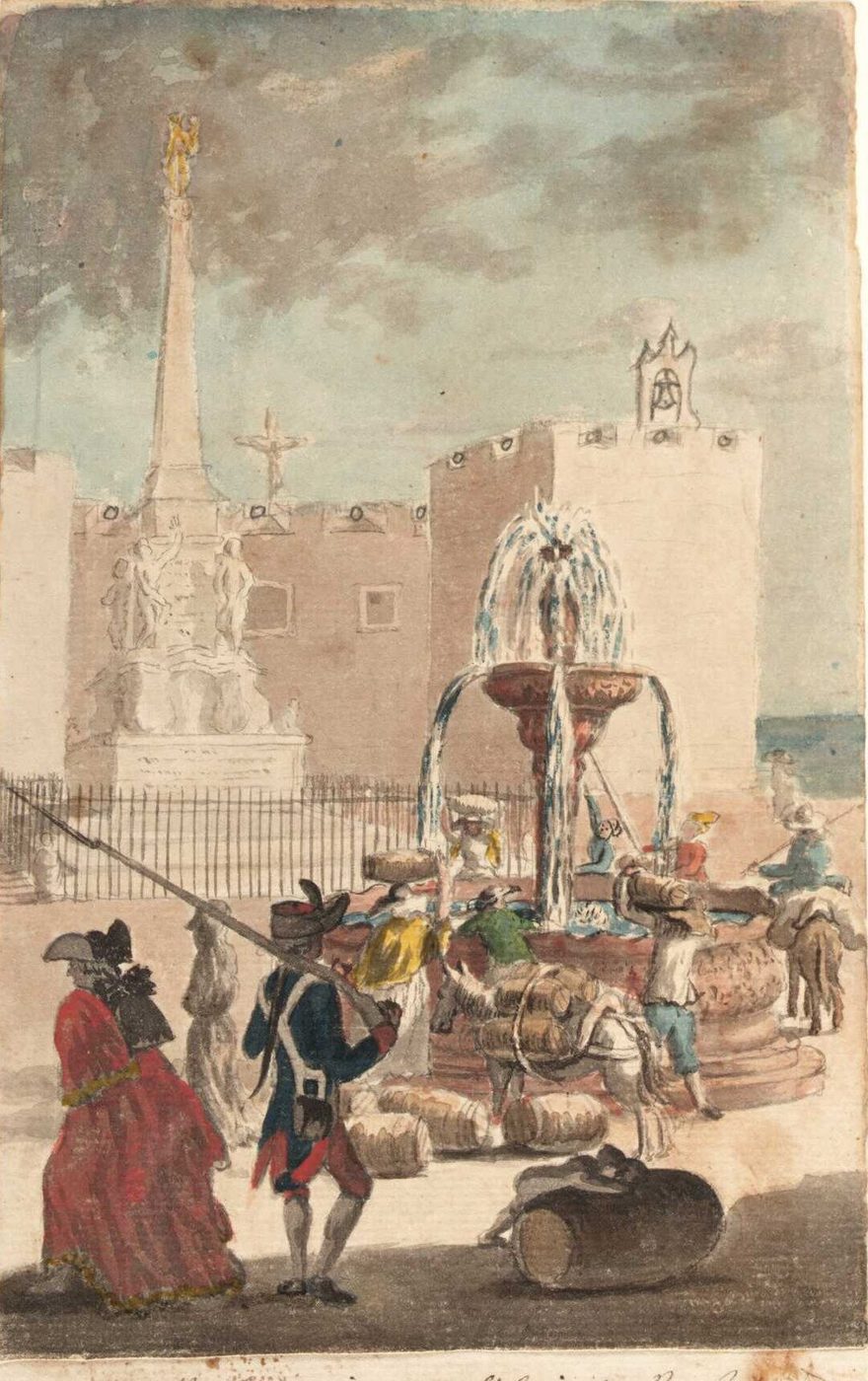
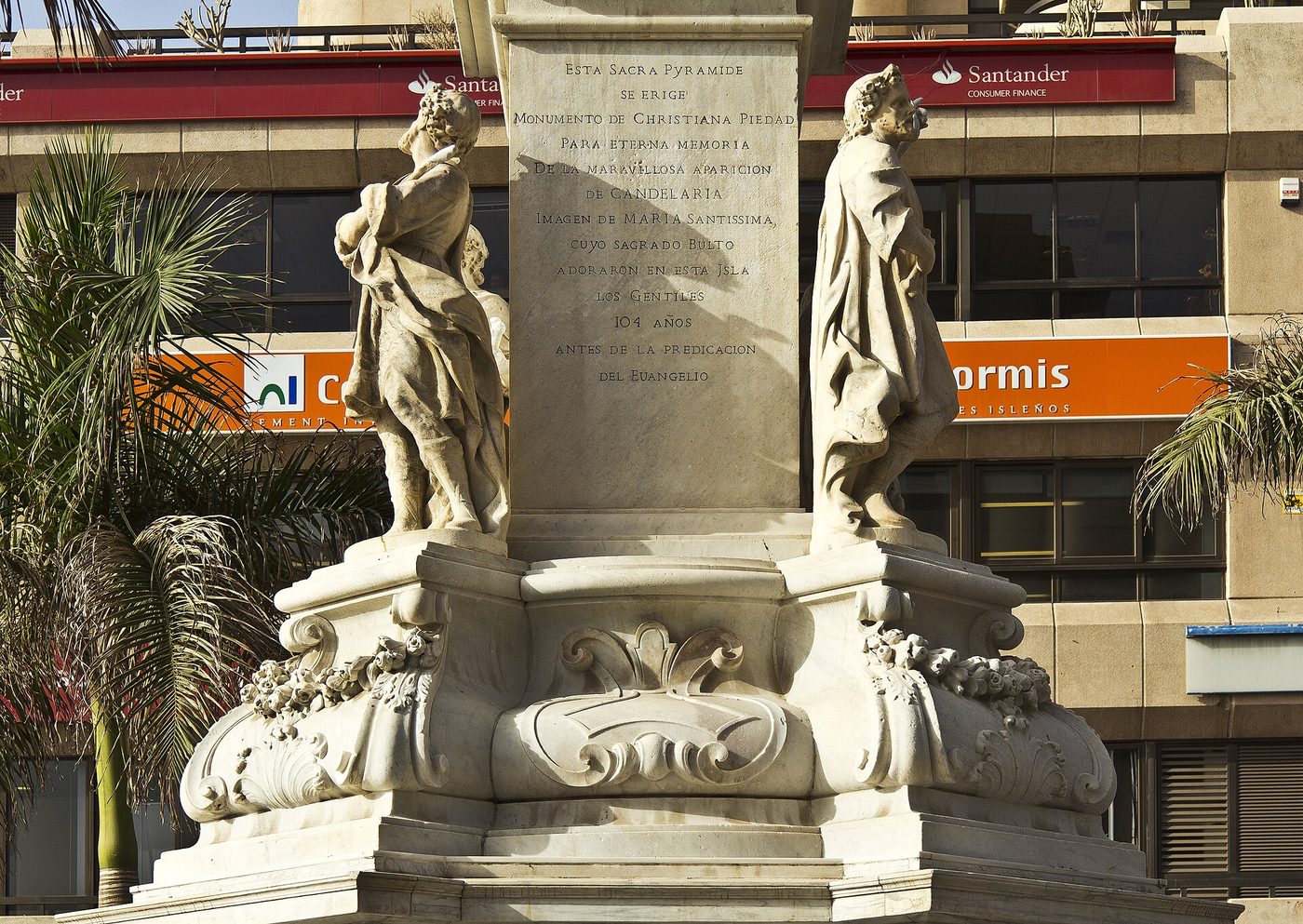
The French scientific expeditions that stopped here on their way across the Atlantic left vivid descriptions. They found the landing dangerous, with a swell that could smash boats against the mole, and the water supply poor; ships came above all for water, wine and fresh food.2 They admired the white houses, the Alameda opened in 1787 and the marble monument to the Virgin of Candelaria raised on the main square in 1778, and they were shocked by the poverty of a large part of the population.2 The town had some 7,000 inhabitants in the middle of the century and about 8,400 at the end.2 For the long voyages they stocked up on two kinds of wine: the golden malvasía that the English liked and the dry vidueño preferred by Germans and Dutch, which kept better at sea.2
The night of 25 July 1797
The defences were put to the test in July 1797, when a British squadron under Rear-Admiral Horatio Nelson tried to take the town and was beaten off; afterwards the garrison was reinforced and a new fort was built.2 The victory made Santa Cruz's name. At the request of the commandant general, Antonio Gutiérrez, the town was granted the title of villa by a royal decree of 21 November 1797, and in 1803 it received its own coat of arms.3 The council dates its first town hall to 1803, when it was declared a villa exenta, independent of La Laguna.5 The three lion heads on the shield stand for three British attacks repelled, by Blake in 1657, Jennings in 1706 and Nelson in 1797.3
Capital of the Canaries
The nineteenth century was the century of the capital. The Cortes of Cádiz, debating the new provinces of Spain in 1812, saw a fierce dispute between the deputies of Gran Canaria, who claimed the capital for Las Palmas, and those of Tenerife, divided between La Laguna and Santa Cruz; Santa Cruz won.4 A royal decree of 1822 confirmed it provisionally and another of 30 November 1833 made it definitive: Santa Cruz was the capital of the single province of the Canary Islands.4 It became a city only in 1859.3
The rivalry with Las Palmas did not end there. The free ports law of 1852 opened the islands to international shipping and sharpened the competition between the two harbours; that same year the provincial government was split into two districts, an arrangement reversed in 1854, and the question was argued over for the rest of the century.4 The pleito insular was settled, after a fashion, by Primo de Rivera's dictatorship: a royal decree of 21 September 1927 divided the archipelago into two provinces, with Santa Cruz as capital of the western one, made up of Tenerife, La Palma, La Gomera and El Hierro.45
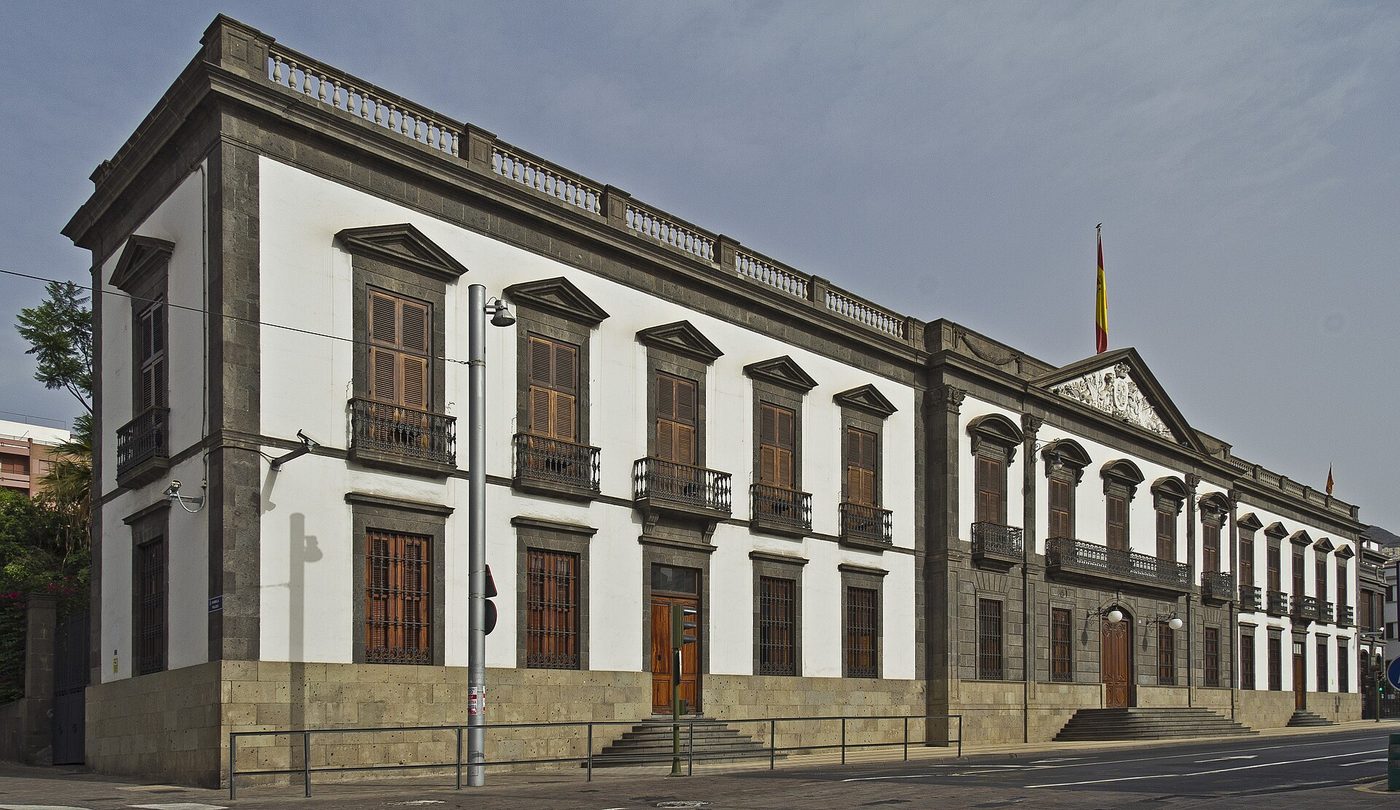
The new status needed new buildings. A bourgeoisie of merchants and shipping agents, in contrast to the old landed nobility of La Laguna, put up a theatre (the present Teatro Guimerá, designed in 1847), a covered market, clubs and, in the early twentieth century, a masonic temple.36 The army mattered just as much. Captain General Valeriano Weyler, who arrived in 1878, built the palace of the Capitanía General, the military hospital and new streets; the ceiling of its throne room, painted in 1881 by the local artist Gumersindo Robayna, contains the first set of emblems for all the Canary Islands, models for several of the island coats of arms in use today.3 The new town hall followed from 1903.3
Beyond the old centre the city spread on both banks of the ravine, linked by bridges, into the working-class district of El Toscal, a marginal area until 1860 that grew with the port, and the garden-city villas of the Barrio de los Hoteles.56 Today Santa Cruz shares the capital of the Canary Islands with Las Palmas, governs a province of four islands and stretches from the shore where the conquerors camped to the old volcanic massif of Anaga.5
Notes and sources
- 1.A. García Montes de Oca, "El Puerto de Santa Cruz de Tenerife en la primera mitad del siglo XVI", XXIV Coloquio de Historia Canario-Americana (2020), XXIV-047, pp. 1-11. Based on the island council minutes, the notarial records of Francisco de Zambrana (1565-1569) and the papers on the first fortress. The author also argues that Magellan's fleet called at Santa Cruz in 1519; that point is not settled. revistas.grancanaria.com
- 2.C. González de Uriarte, "Viajeros franceses en Canarias en el siglo XVIII. Una imagen de Santa Cruz de Tenerife", in Homenaje al Prof. J. Cantera, Universidad Complutense, 1997, pp. 407-416. Based on the published accounts of Feuillée, Adanson, Borda, Ledru, Bory de Saint-Vincent, Péron and Milbert. revistas.ucm.es
- 3.J. Armas Núñez, "Canarias triunfante: la plasmación de la imagen a través del mito", Cuadernos de Arte de la Universidad de Granada 44 (2013), pp. 123-144. revistaseug.ugr.es
- 4.A. J. Padrón Acosta, La dictadura de Primo de Rivera. Una solución al Pleito Insular, undergraduate thesis in History, Universidad de La Laguna, 2017, chapter 2. riull.ull.es
- 5.Ayuntamiento de Santa Cruz de Tenerife, "Información institucional: información histórica" (transparency portal). santacruzdetenerife.es
- 6.Cabildo de Tenerife, Patrimonio Histórico de Tenerife. Catálogo de Bienes de Interés Cultural, 2018 (entries for Antiguo Santa Cruz, El Toscal, the Barrio de los Hoteles, La Concepción, the castles of San Juan and Paso Alto and the Teatro Guimerá). tenerife.es
What's on in Santa Cruz de Tenerife now →
Fiestas, concerts and events from the town hall agenda, updated daily.
More towns in the series
La Laguna · Towns of Tenerife
San Cristóbal de La Laguna: a town planned for peace
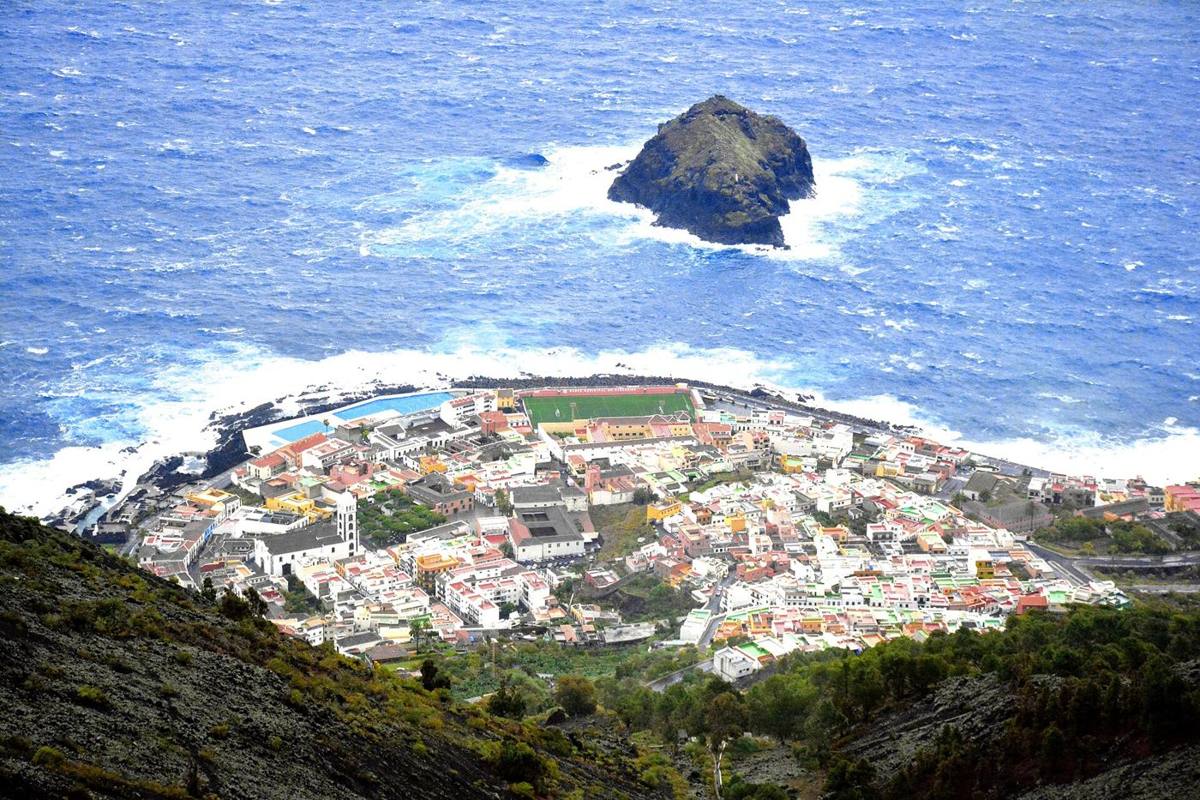
Garachico · Towns of Tenerife
Garachico: the port the volcano took
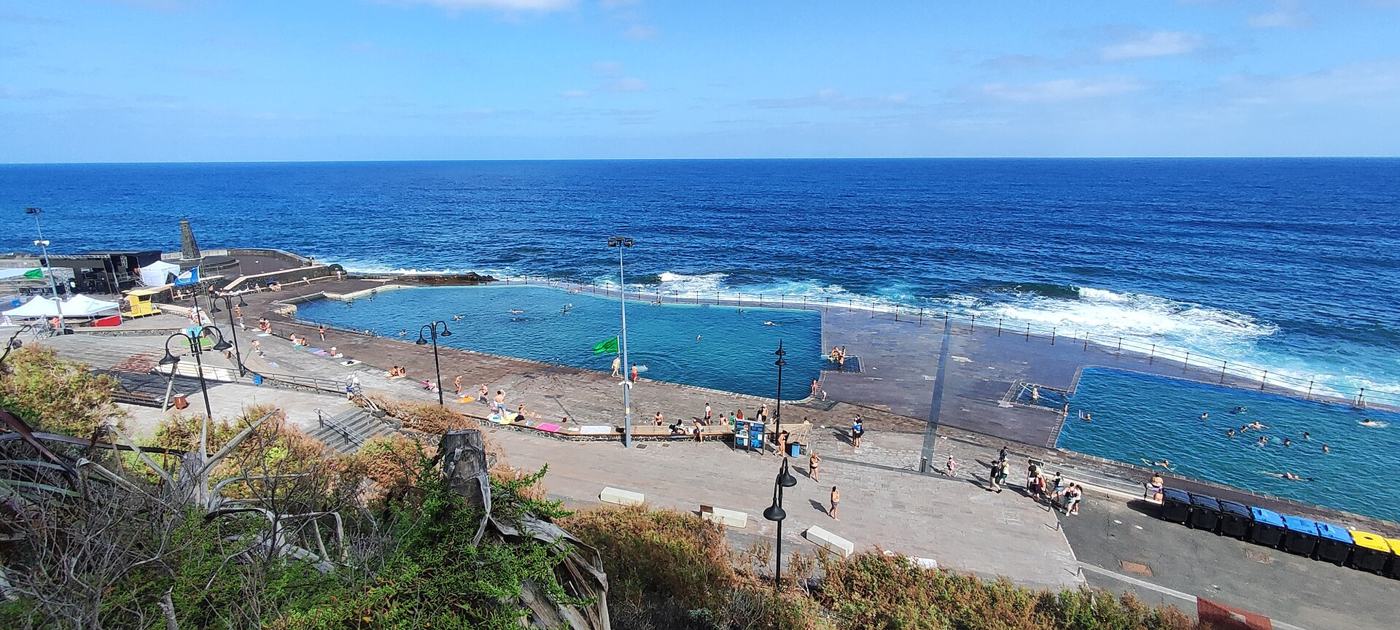
Bajamar · Towns of Tenerife
Bajamar and Punta del Hidalgo: La Laguna's shore
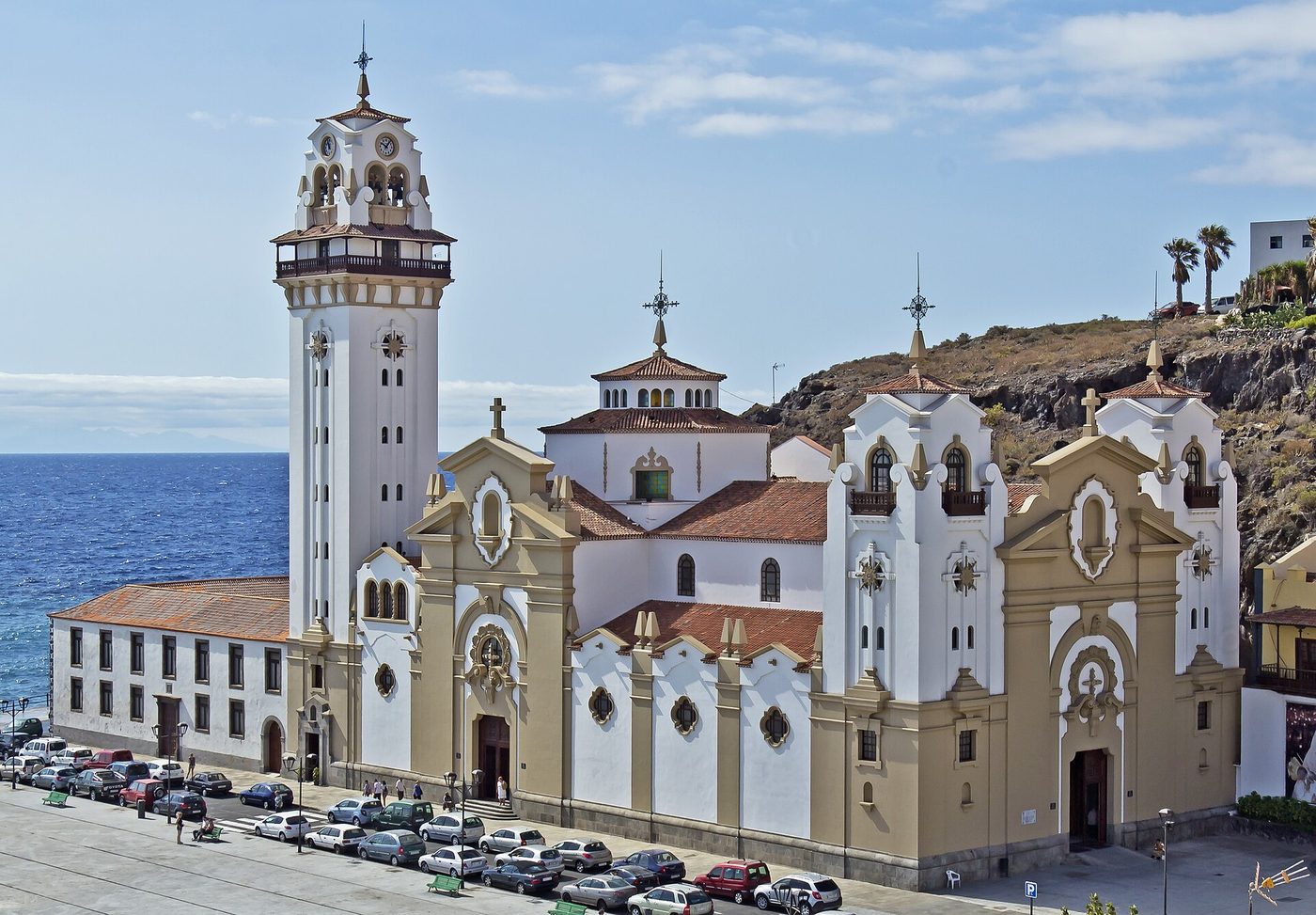
Candelaria · Towns of Tenerife
Candelaria: the shrine on the shore
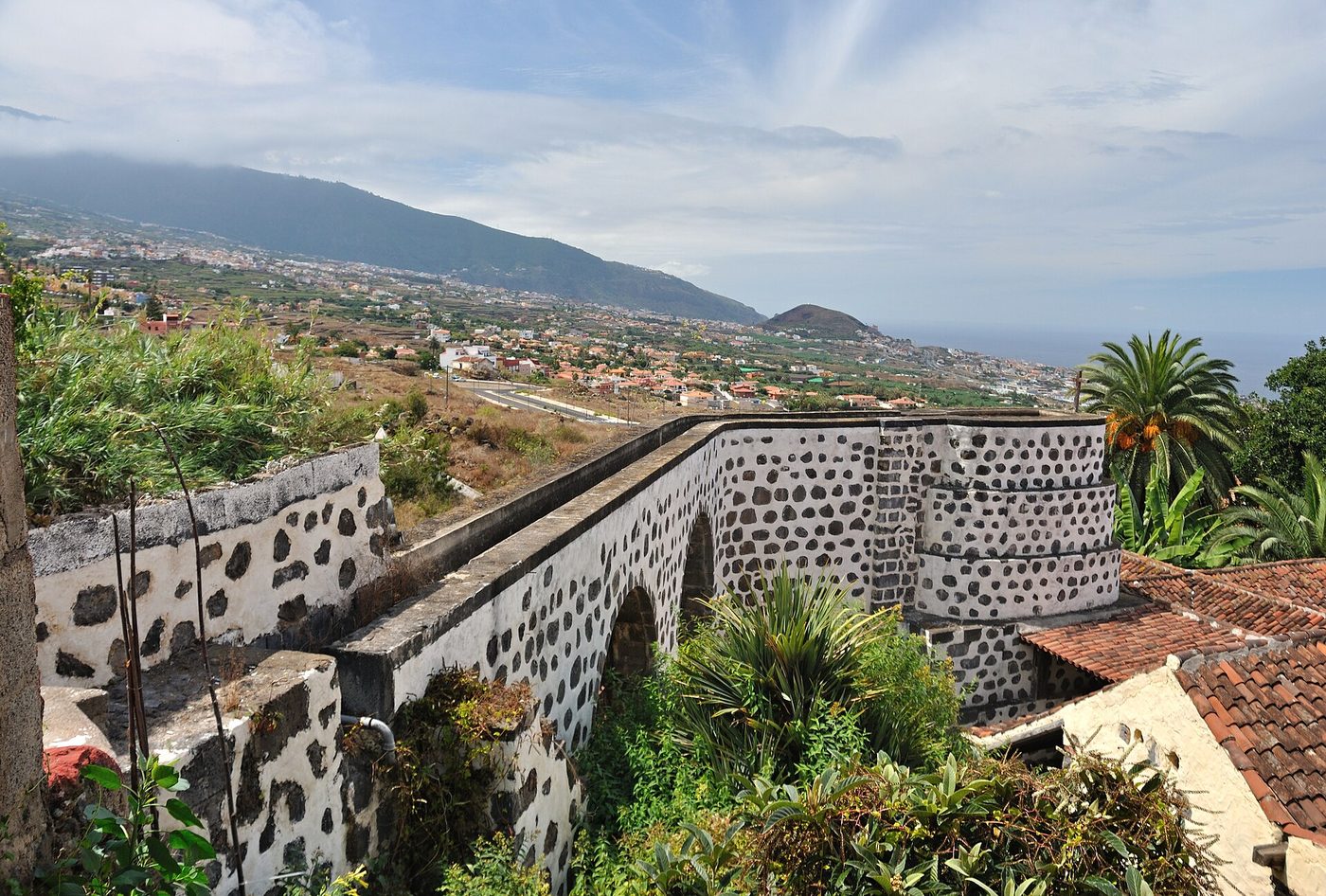
La Orotava · Towns of Tenerife
La Orotava: a town drawn with a cord
Adeje · Towns of Tenerife
Adeje: the kingdom, the fortress and the marquises
La Caleta · Towns of Tenerife
La Caleta: Adeje's old harbour
Los Cristianos · Towns of Tenerife
Los Cristianos: the south's harbour
Las Galletas · Towns of Tenerife
Las Galletas: salt, fish and a garden city
Playa de las Américas · Towns of Tenerife
Playa de las Américas: a resort from scratch
Callao Salvaje · Towns of Tenerife
Callao Salvaje: a resort by decree
Playa Paraíso · Towns of Tenerife
Playa Paraíso: a paradise on paper
Guía de Isora · Towns of Tenerife
Guía de Isora: from Teide to the sea
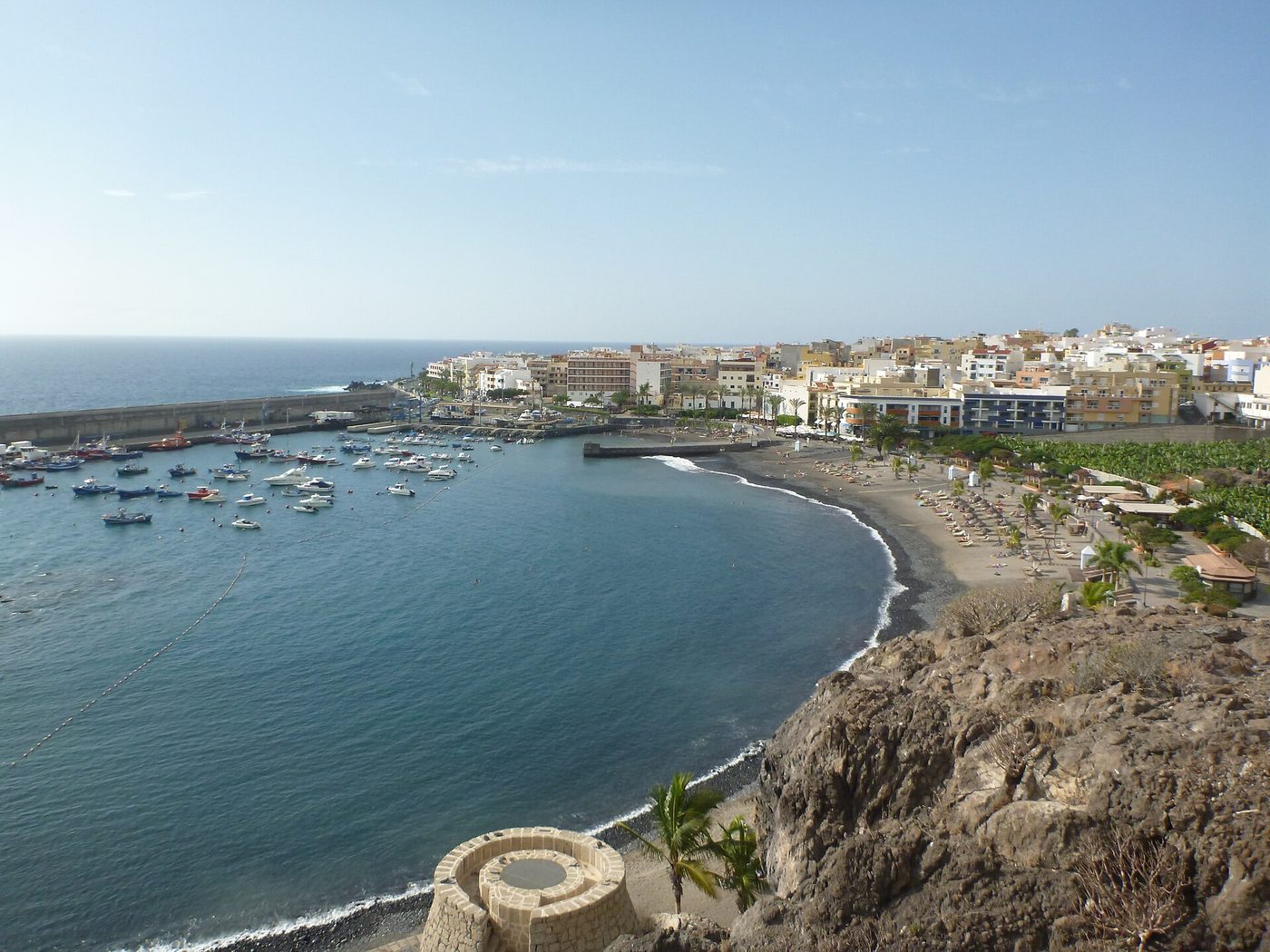
Playa San Juan · Towns of Tenerife
Playa San Juan: Guía de Isora's harbour
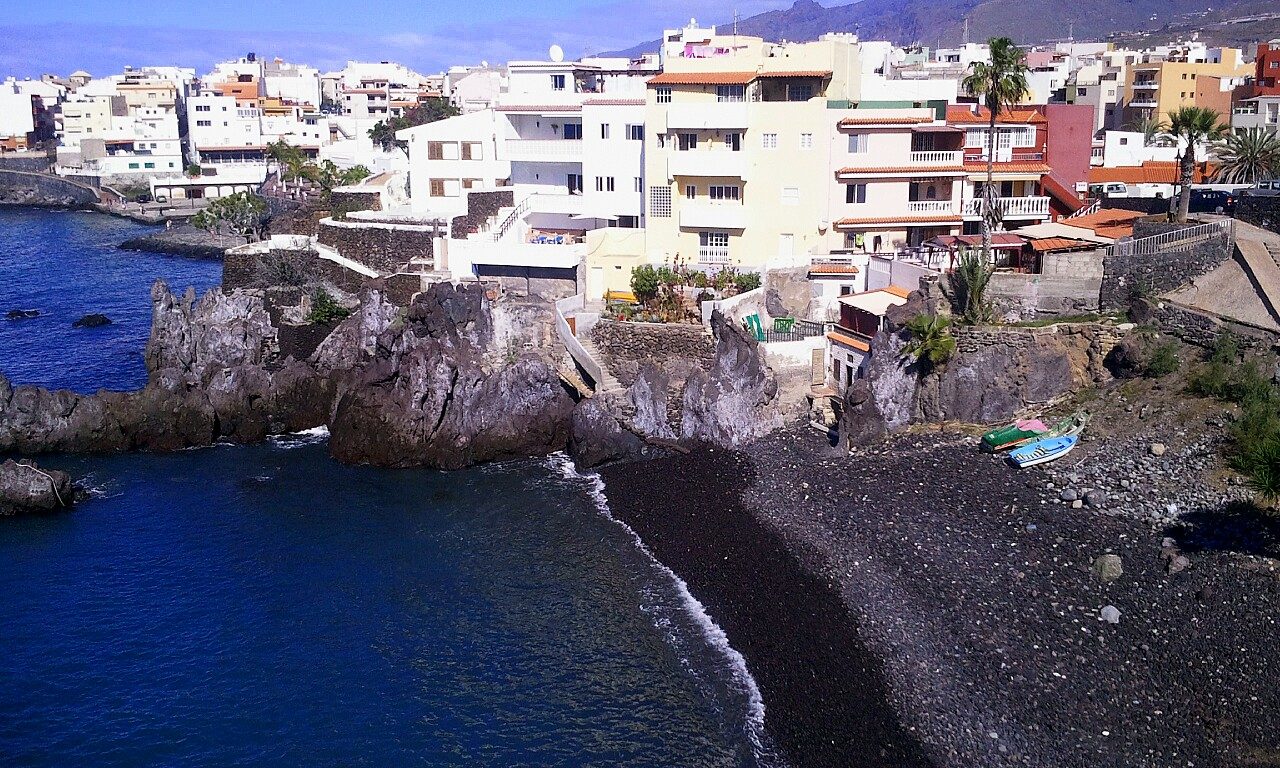
Alcalá · Towns of Tenerife
Alcalá: a fishing village on the lava
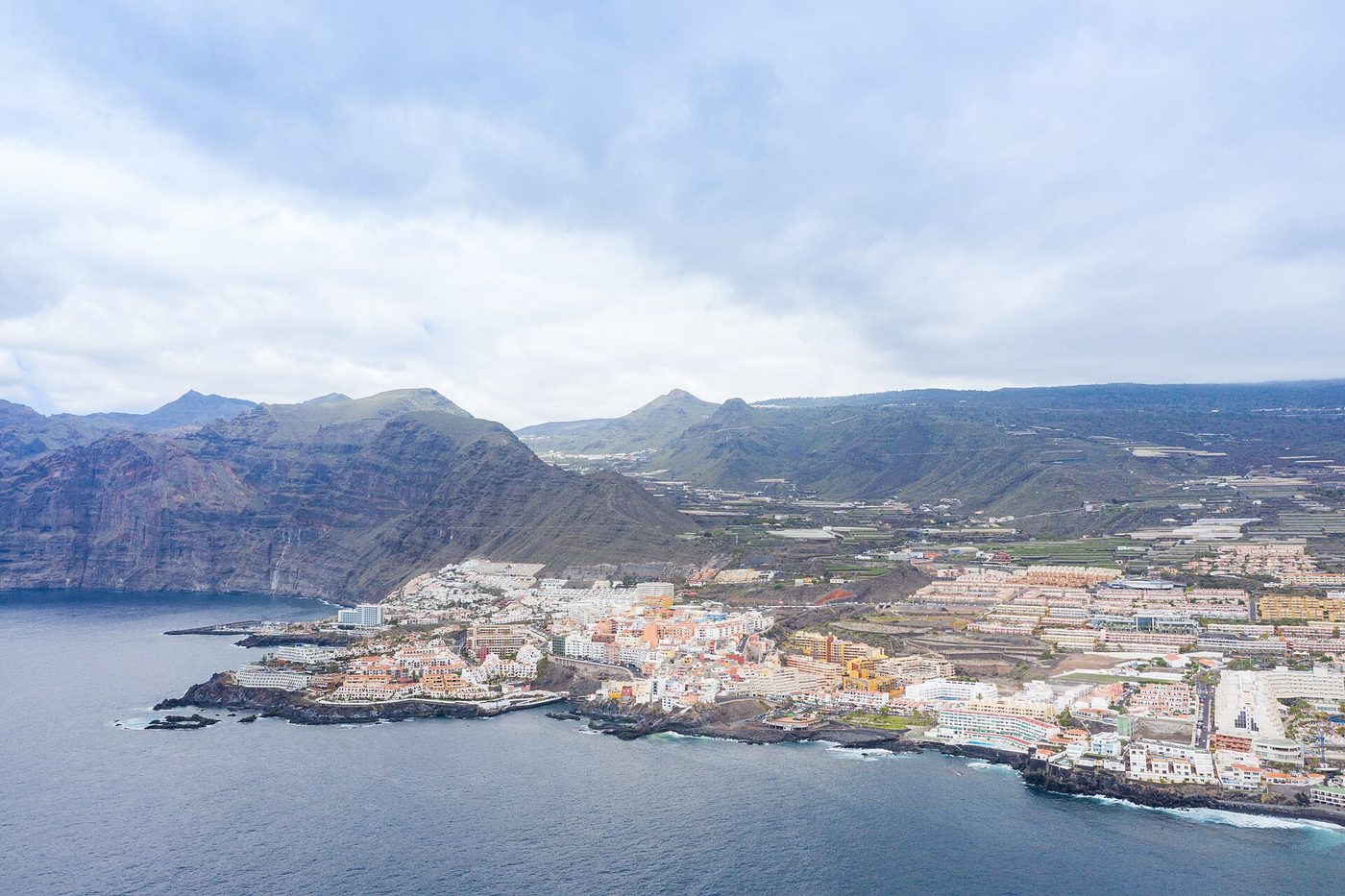
Puerto Santiago · Towns of Tenerife
Puerto Santiago and Los Gigantes: life below the cliffs
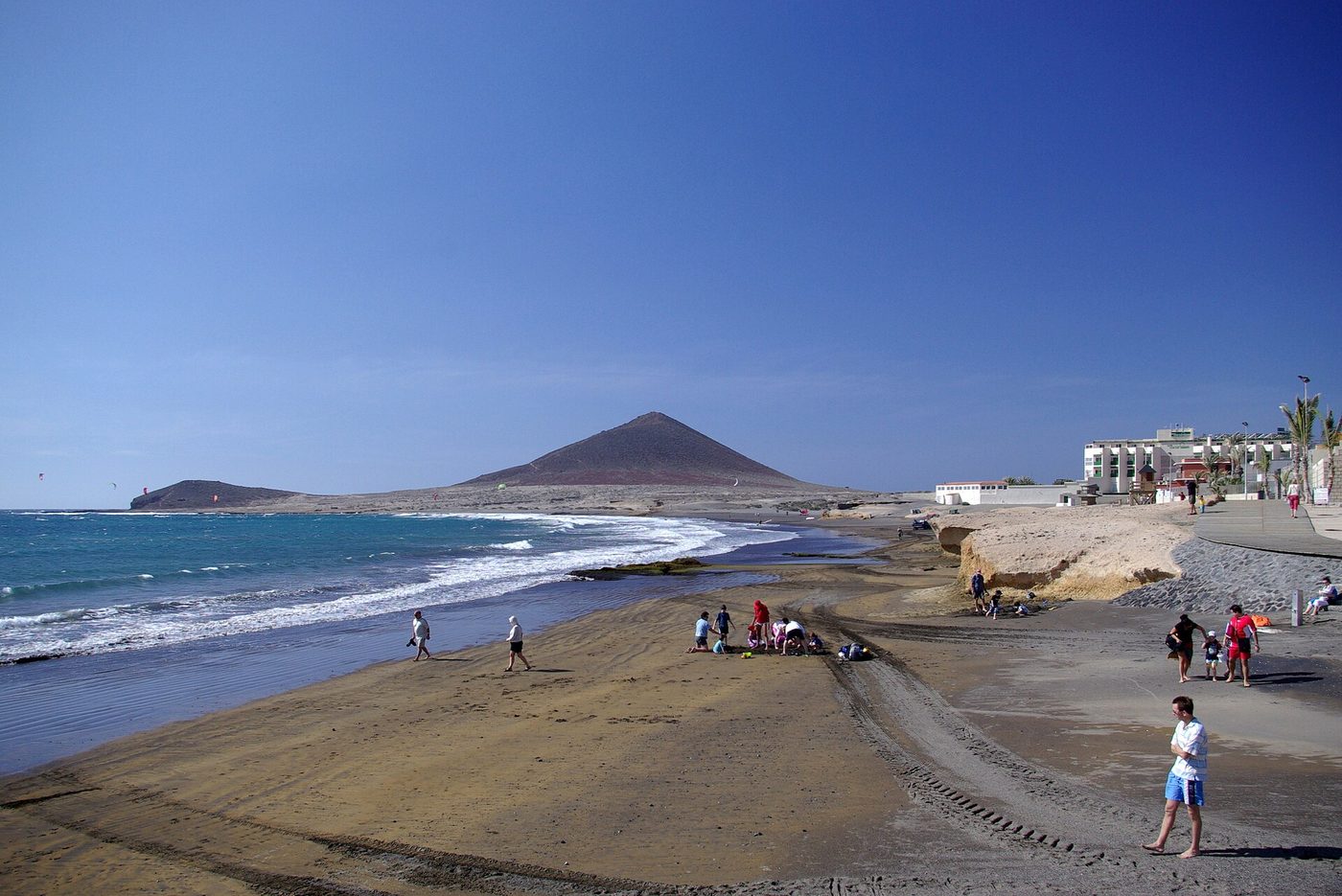
El Médano · Towns of Tenerife
El Médano: the harbour under the red mountain
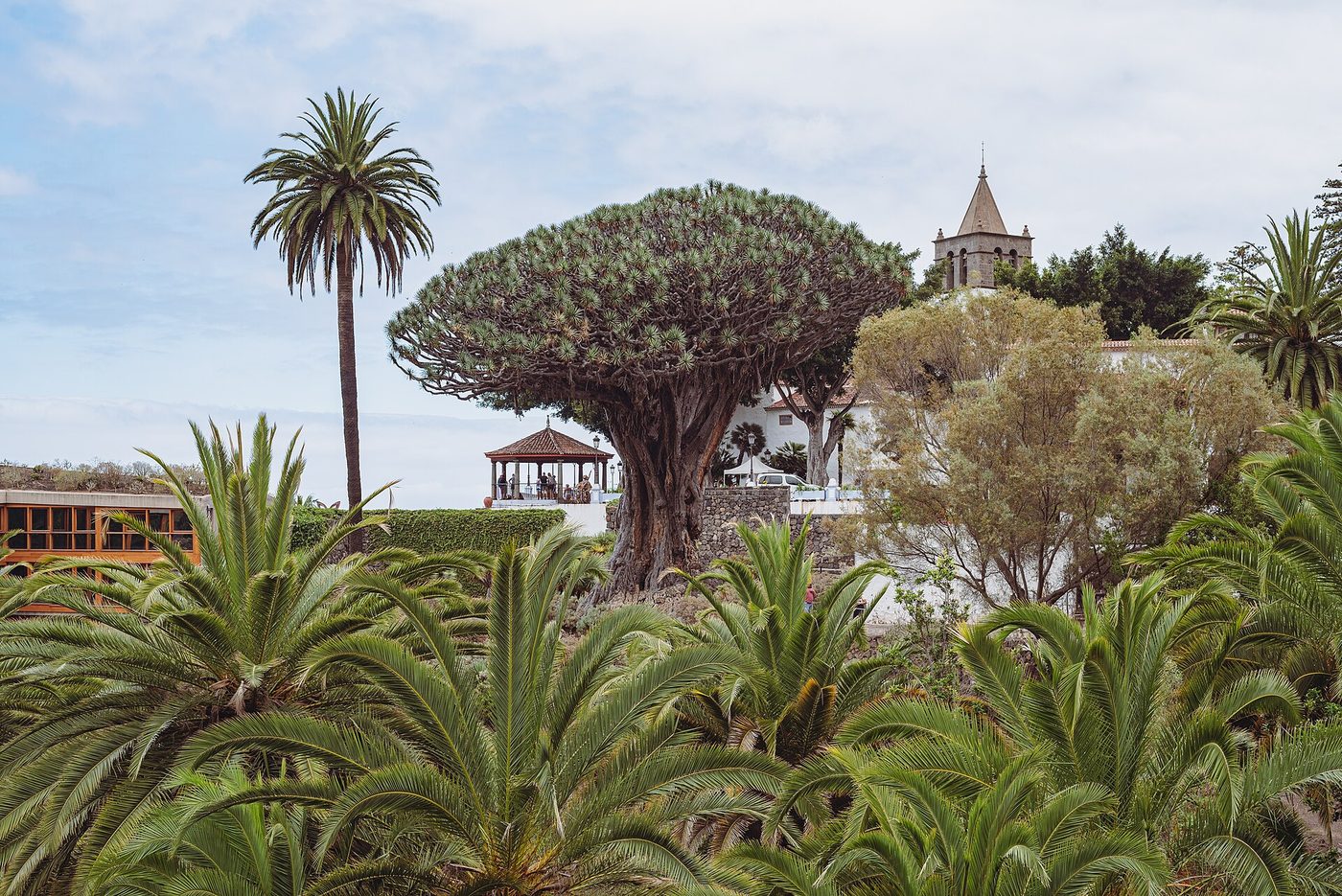
Icod de los Vinos · Towns of Tenerife
Icod de los Vinos: the dragon tree and the cove of San Marcos
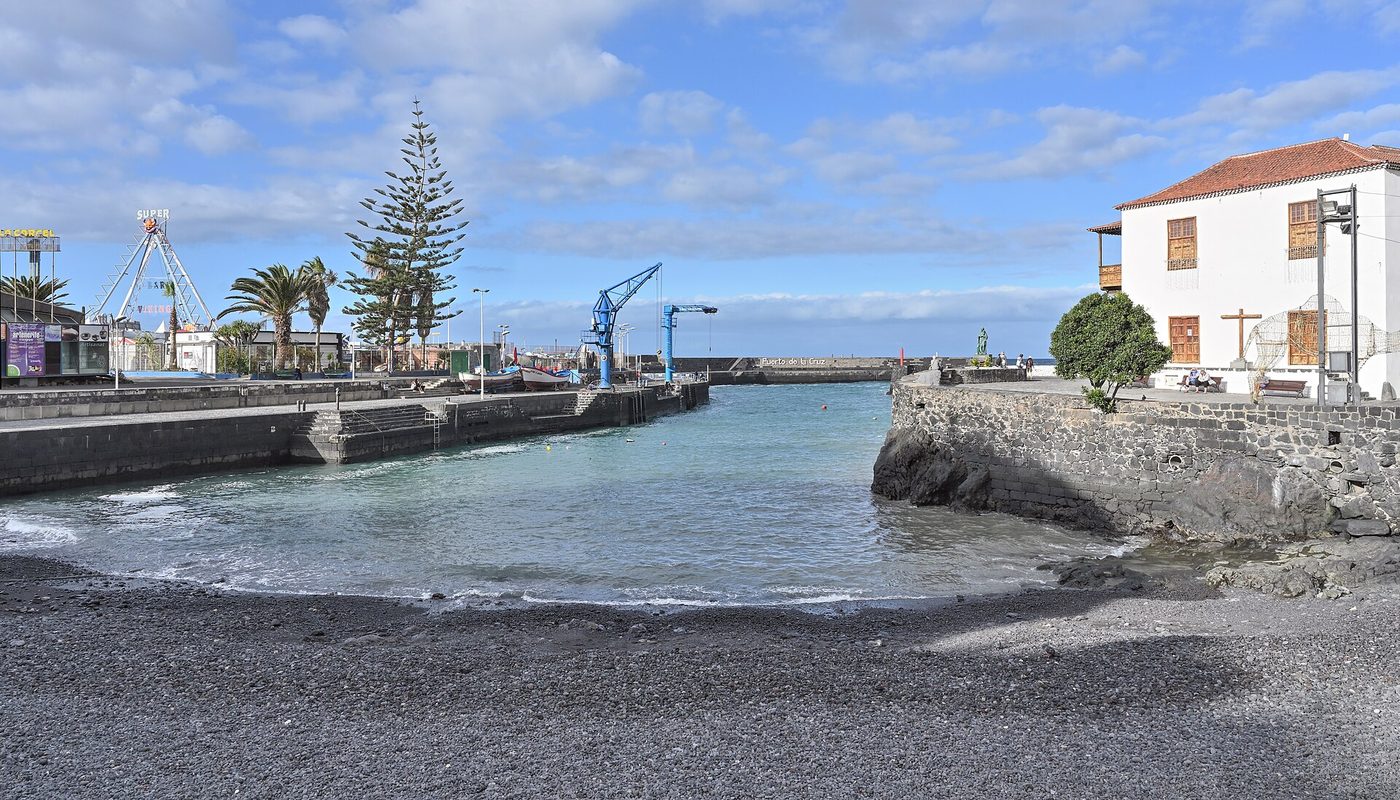
Puerto de la Cruz · Towns of Tenerife
Puerto de la Cruz: from wine port to the first resort
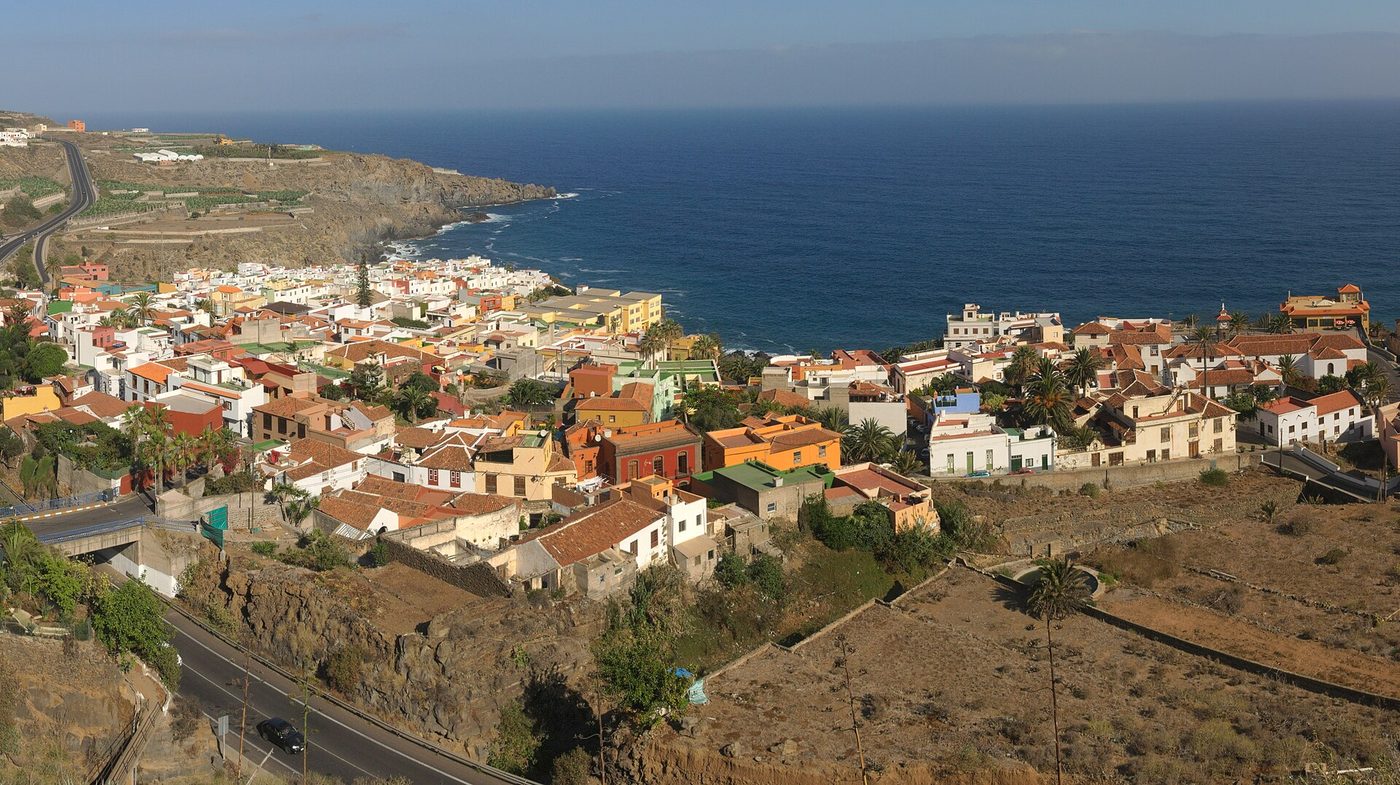
San Juan de la Rambla · Towns of Tenerife
San Juan de la Rambla: a village on the badlands
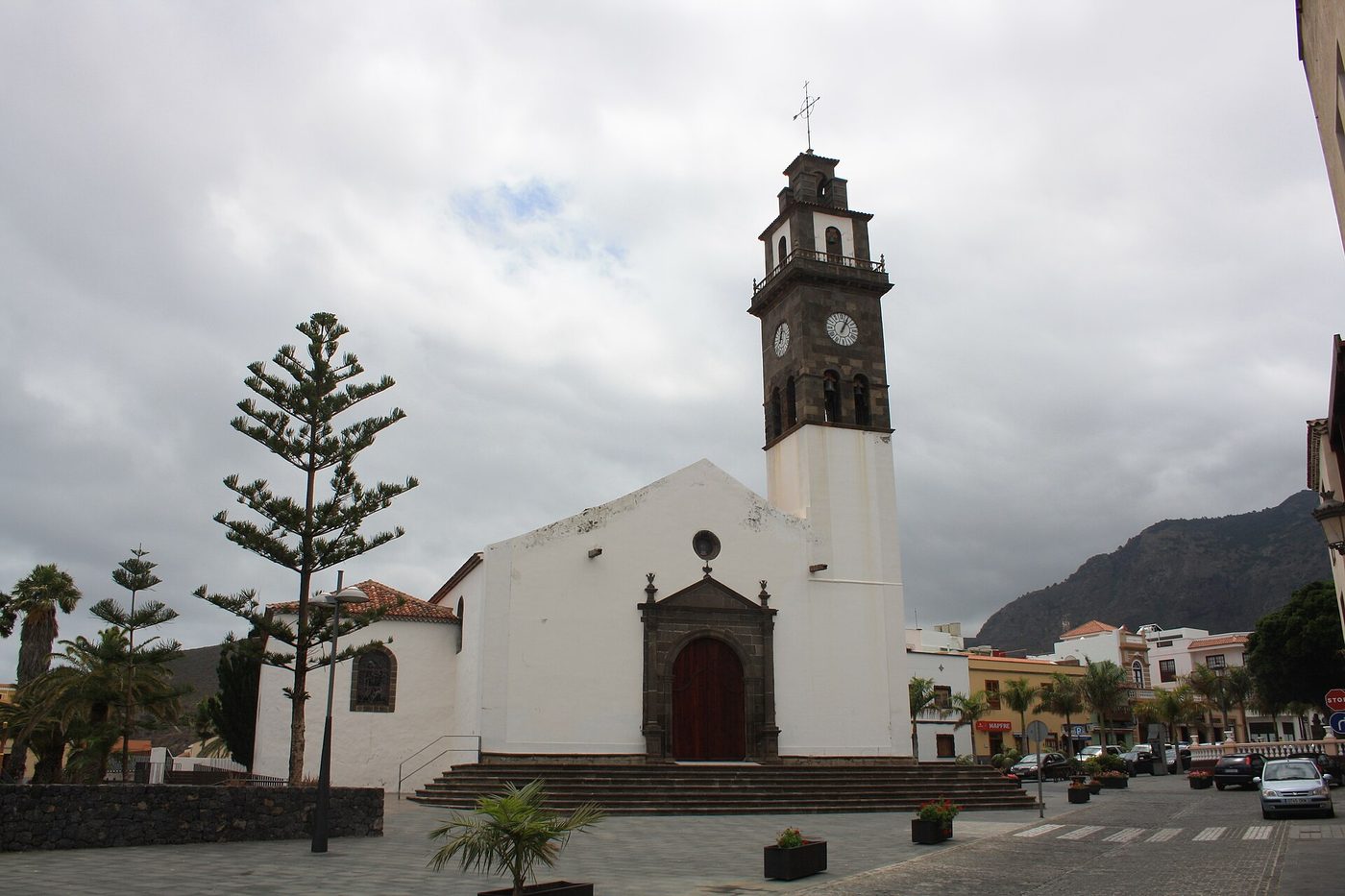
Buenavista del Norte · Towns of Tenerife
Buenavista del Norte: a planned town at the end of the island