
La Caleta · Towns of Tenerife
La Caleta: Adeje's old harbour
Before the hotels, this small cove was Adeje's door to the sea: a landing place for wine, pitch and lichen dye, the scene of a Virgin found on the shore, the anchorage of an English slaver and the target of pirates. The long history of a fishing village on the Costa Adeje.
6 min read · 3 sources · Updated October 2026
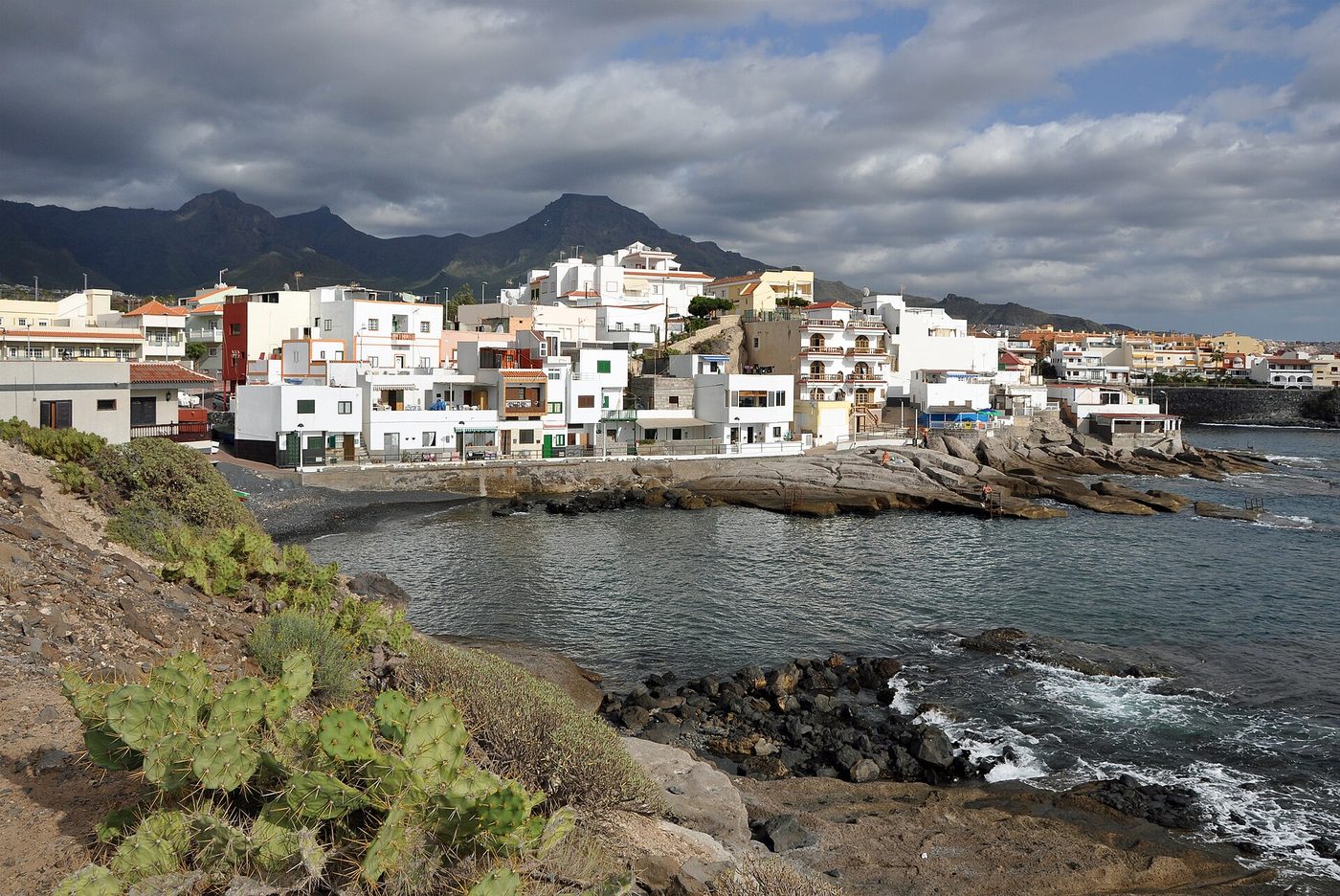
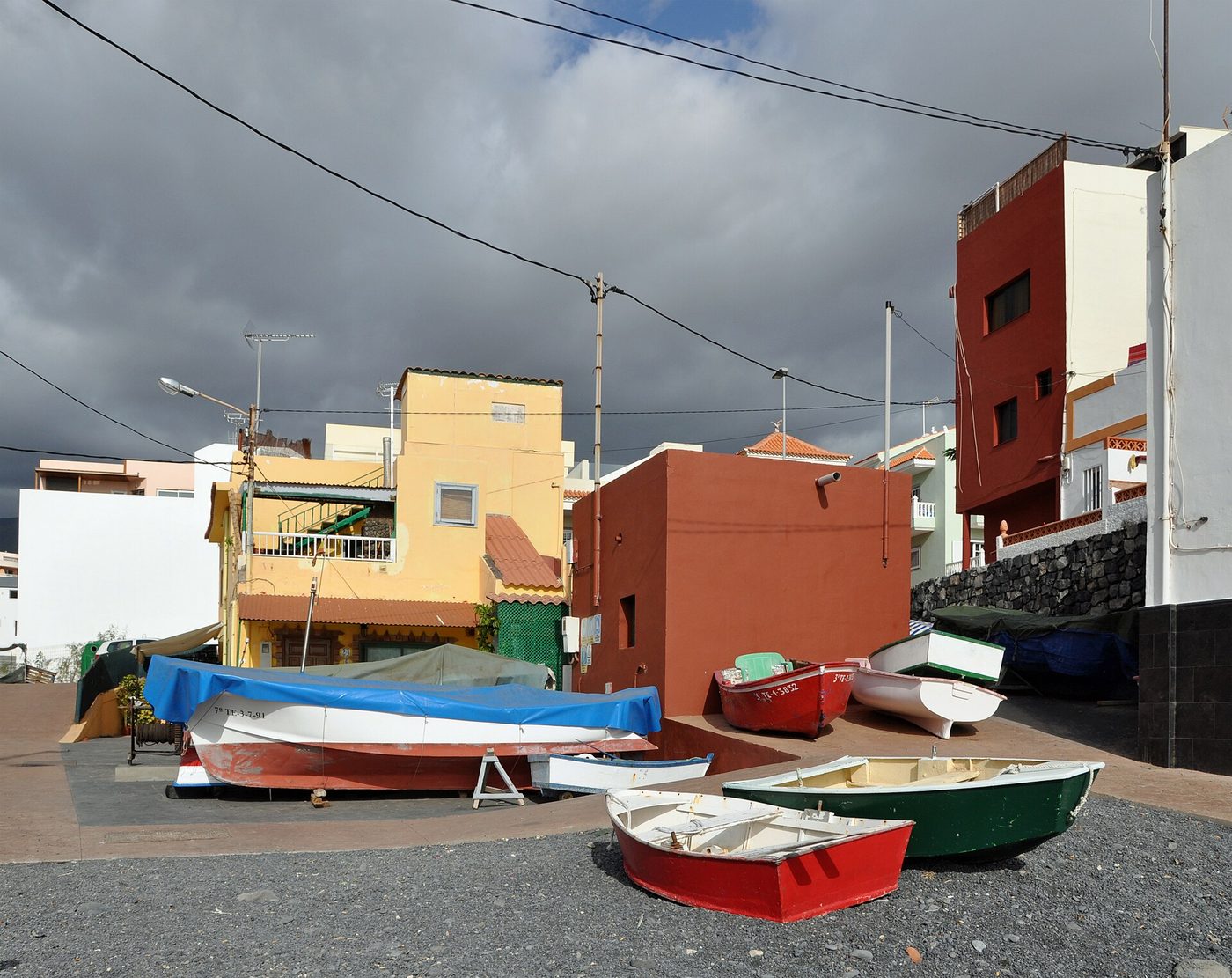
La Caleta · Marc Ryckaert, CC BY-SA 4.0
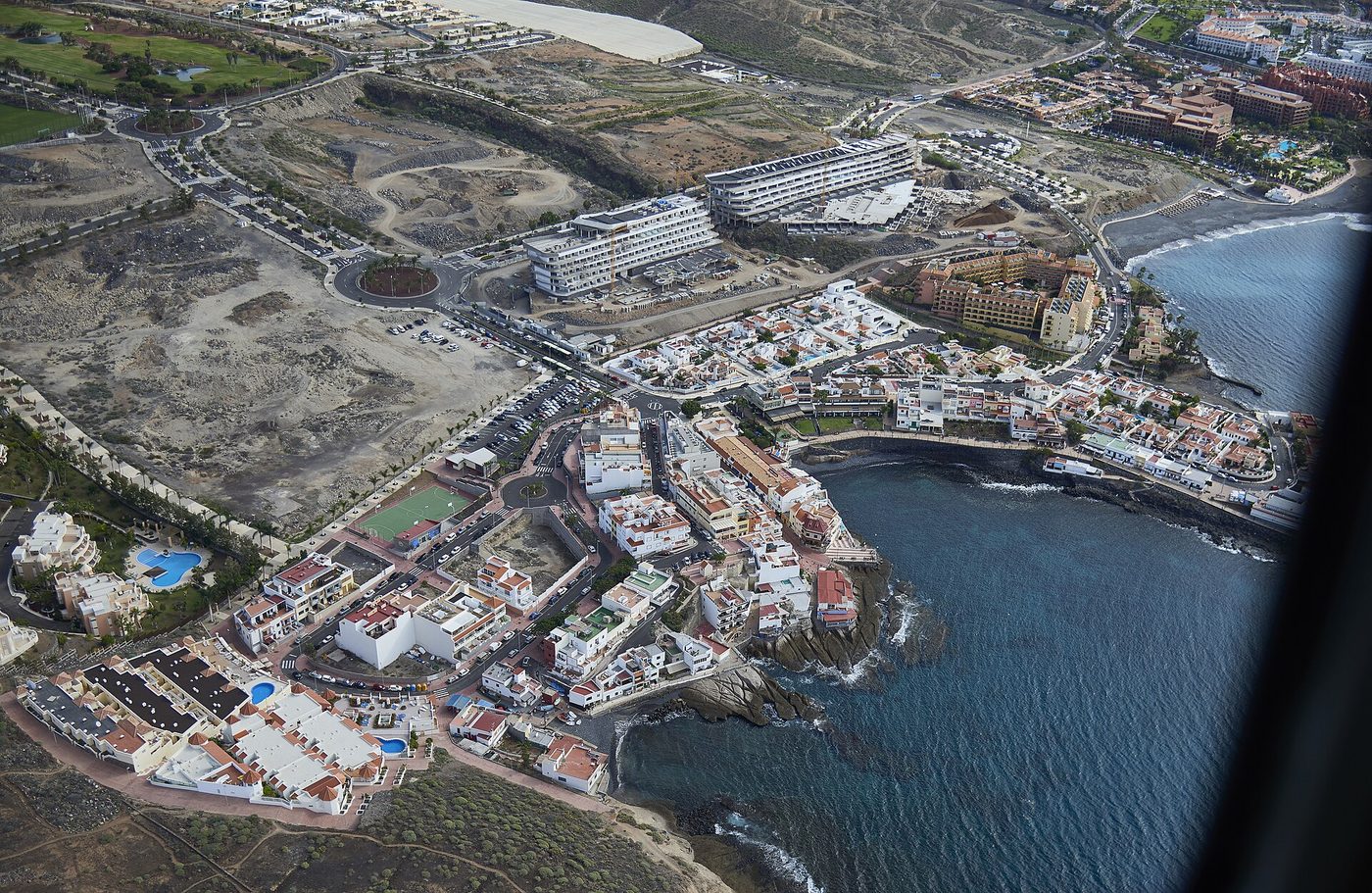
La Caleta is now a few streets of white houses and fish restaurants at the northern end of Costa Adeje. Its name simply means "the cove". For centuries it was much more than that: the nearest landing place to the town of Adeje, a harbour for the boats of La Gomera, a stage in Atlantic history and, if the local traditions are right, a sacred place before the conquest.1
The river's mouth
The harbour of Adeje was never one bay but a chain of small anchorages along a few kilometres of coast, from the mouth of the ravine that comes down from the town (the Barranco del Infierno, also called del Agua or "the river of Adeje") to the cove now known as El Puertito. The engineer Leonardo Torriani called the western part Caletta Ramada on his map of 1592, and in the eighteenth century it was the "cove or port of La Enramada", with salt pans belonging to a certain Franqui that were already in ruins by 1788.1 The ravine's year-round stream was the attraction: ships could take on fresh water here, on an otherwise dry coast.1
It was a working port from the first years after the conquest. Notarial records from the 1520s show wine shipped from the "river of Adeje" to La Palma and to Santa Cruz, and contracts for gathering orchil, the lichen used to make purple dye, to be delivered at the cove of San Juan or the port of Adeje. In 1523 the island council posted two guards there.1 In winter it was a poor anchorage, open to the south-west, but the seaman George Glas, writing in the 1760s, noted that boats from La Gomera came to Adeje for pine timber, easier to reach here than in the forests of their own island.1
A Virgin from the sea
La Caleta has its own version of the story told at Candelaria. In 1594 the Dominican Alonso de Espinosa wrote that fishermen from La Orotava found a statue of the Virgin with the Child on a cove in Adeje, loaded it into their boat and tried to sail home, until storms forced them into Garachico, where the townspeople took the image for their own church.1 Witnesses questioned in 1746 for a book of miracles commissioned by the Marchioness of Adeje placed the find at a spot called El Humilladero, "at the beginning of the conquests", and remembered how the people of Adeje had wept for their lost Virgin.1 Later, in the first half of the sixteenth century, a second image, the Virgin of the Incarnation, appeared by the sea. A hermitage was built for it on the shore, which the witnesses of 1746 called the first parish of the south of the island; Pedro de Ponte, the lord of Adeje, rebuilt it in 1558.1
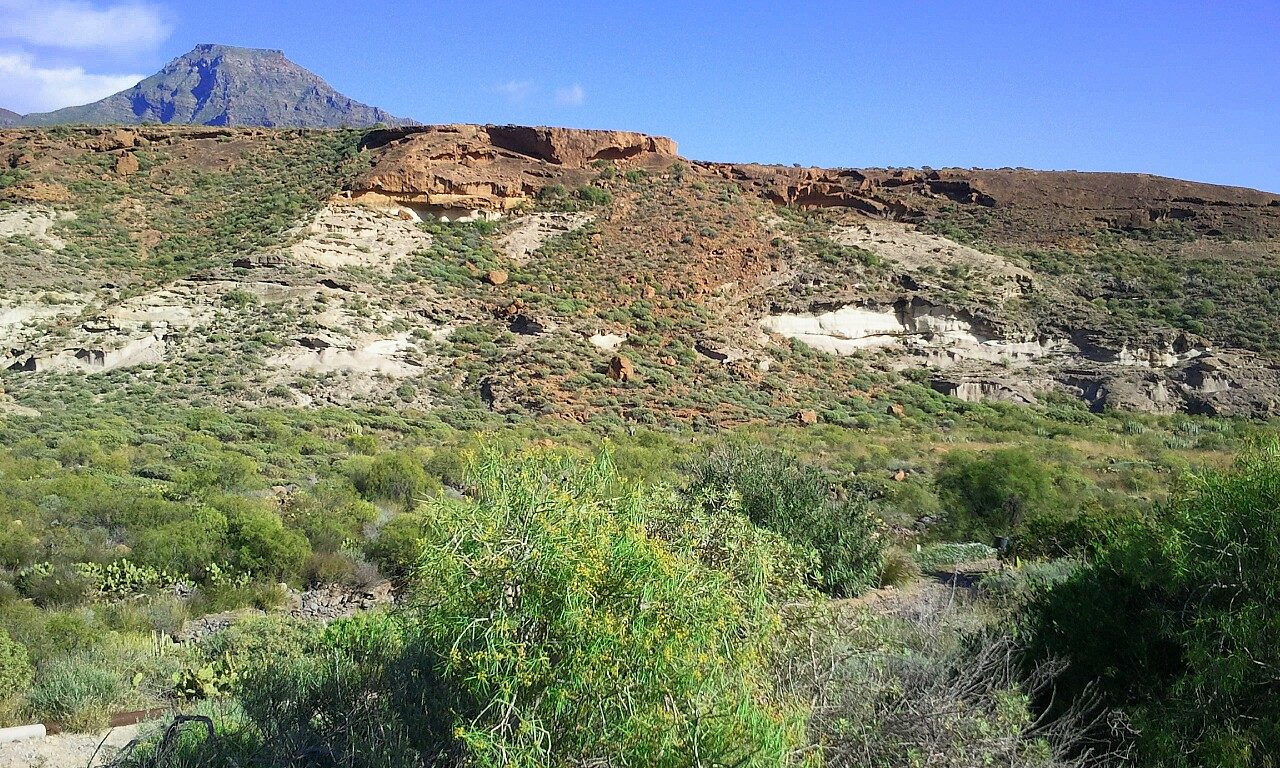
The archaeologists Alfredo Mederos and Gabriel Escribano suggest that both stories may preserve the memory of an older cult on the same shore. The name Ramada, "covered with branches", and a nearby place called El Bailadero, "the dancing ground", remind them of rain-making rituals in which processions carried branches to the sea, as described for the ancient Canarians. It is an interpretation, not a proven fact, but they found aboriginal pottery on the flat ground above the shelter of El Humilladero.1
Hawkins and the pirates
The cove's most famous visitor arrived in late 1562. The English seaman John Hawkins, in partnership with Pedro de Ponte, made the harbour of Adeje the first stop of his first slaving voyage, taking on water and wine and a pilot supplied by Ponte; he came back in 1564 and stayed at the Casa Fuerte up in the town.1 Other visitors brought fear rather than trade. In July 1586 thirty-seven to forty English pirates landed from a ship anchored in the cove, smashed the images in the hermitage of the Incarnation, carried off its altarpiece and broke into the Ponte sugar mill. Adeje's militia caught them on their way back to the boats and killed eighteen. One young prisoner, wounded in the head and lost in the ravine that still bears the name Barranco del Inglés, was sentenced by the Inquisition to the galleys.1
Fearing such raids, Pedro de Ponte had already moved the image of the Incarnation to the parish church in the town, some time between 1558 and his death in 1583. For centuries it was carried back down to its first home in procession, especially to pray for rain; the custom lapsed in the early twentieth century and was revived in 1978. By the late eighteenth century the hermitage by the sea was dedicated to St Sebastian, protector against plague and the dangers that came by sea.1 As late as January 1746 two English ships spent an afternoon and a night bombarding the coast while trying to seize a wheat ship anchored at Los Cristianos; some 600 militiamen were called out by two cannon shots from the Casa Fuerte, and nobody was hurt.1
Fishermen, camels and steamers
For most of its history very few people lived by the cove. A "resident of the port of Adeje" is recorded in 1573, but in the middle of the nineteenth century there were only three huts, occupied part of the year. An account of 1906 described the port as a bad anchorage from which cereals, tobacco, bananas, tomatoes and sugar cane were shipped after being brought down by camel. Its seamen, together with those of Playa San Juan, were said to be the best on the coastal boats. From 1911 the regular steamer service from Las Palmas and Santa Cruz to La Gomera called at Adeje twice a month on the way out and twice on the way back.1
From bananas to Costa Adeje
The land behind the cove was terraced for bananas. Some of those terraces are now abandoned and others have become a golf course, while the cliffs and caves between La Caleta and El Puertito are protected as an area of scientific interest.1 Archaeological surveys in 2004 found eleven sites along this stretch, from hut circles on the headlands above La Caleta to scatters of obsidian and pottery that now lie in the gardens of hotels built at the mouth of the ravine.12 The tourist town of La Caleta itself took shape in the 1990s, when Fañabé and La Caleta joined the older resorts of Adeje and Arona.3
Notes and sources
- 1.A. Mederos Martín and G. Escribano Cobo, "Prospección arqueológica de La Caleta de Adeje (Tenerife, Islas Canarias)", Revista de Historia Canaria 198 (2016), pp. 177-229. Uses Torriani's map, the notarial records of the 1520s, the island council minutes, Glas (1764), Espinosa (1594), the 1746 book of miracles of the Virgin of the Incarnation and Rumeu de Armas's history of pirate attacks. riull.ull.es
- 2.A. Mederos Martín, G. Escribano Cobo and V. Valencia Afonso, "Hábitat aborigen y grabados rupestres en el municipio de Adeje (Tenerife, islas Canarias). (I). Historia de la investigación", Anuario de Estudios Atlánticos 70 (2024), 070-001. revistas.grancanaria.com
- 3.C. García-Blanco Chávez, "Turismo y territorio. La transformación del sur de Tenerife (1960-2018)", Territorios en Formación 23 (2025), DOI 10.20868/tf.2025.23.5625. polired.upm.es
What's on in Adeje now →
Fiestas, concerts and events from the town hall agenda, updated daily.
More towns in the series
La Laguna · Towns of Tenerife
San Cristóbal de La Laguna: a town planned for peace
Garachico · Towns of Tenerife
Garachico: the port the volcano took
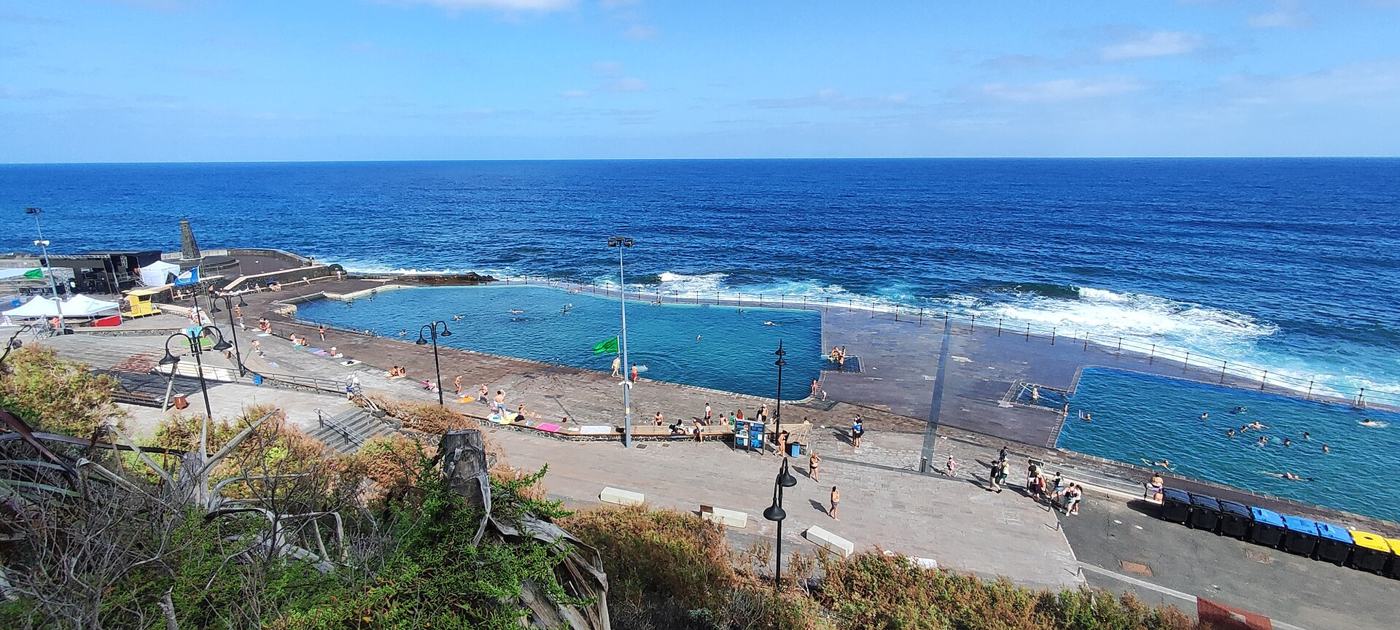
Bajamar · Towns of Tenerife
Bajamar and Punta del Hidalgo: La Laguna's shore
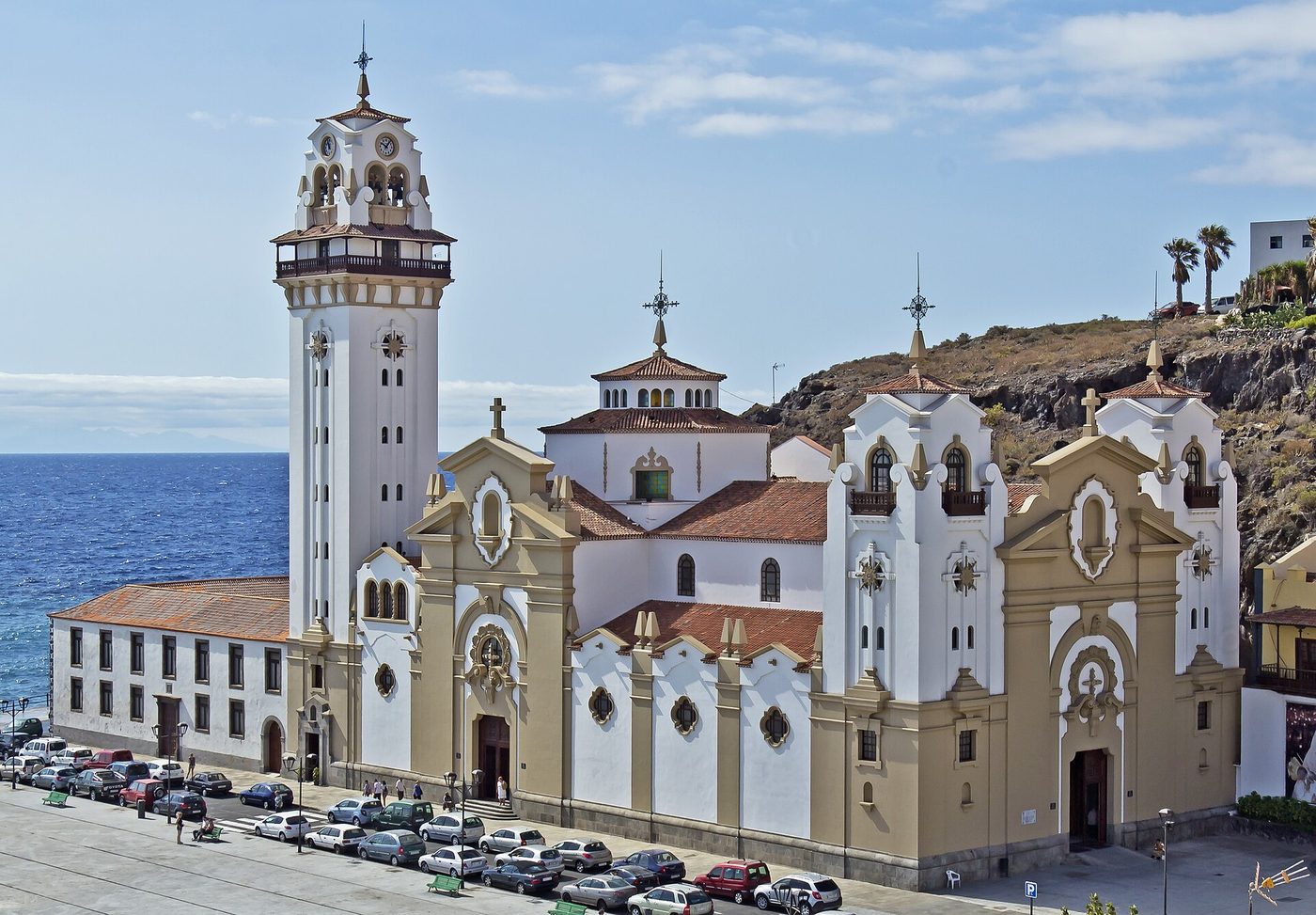
Candelaria · Towns of Tenerife
Candelaria: the shrine on the shore
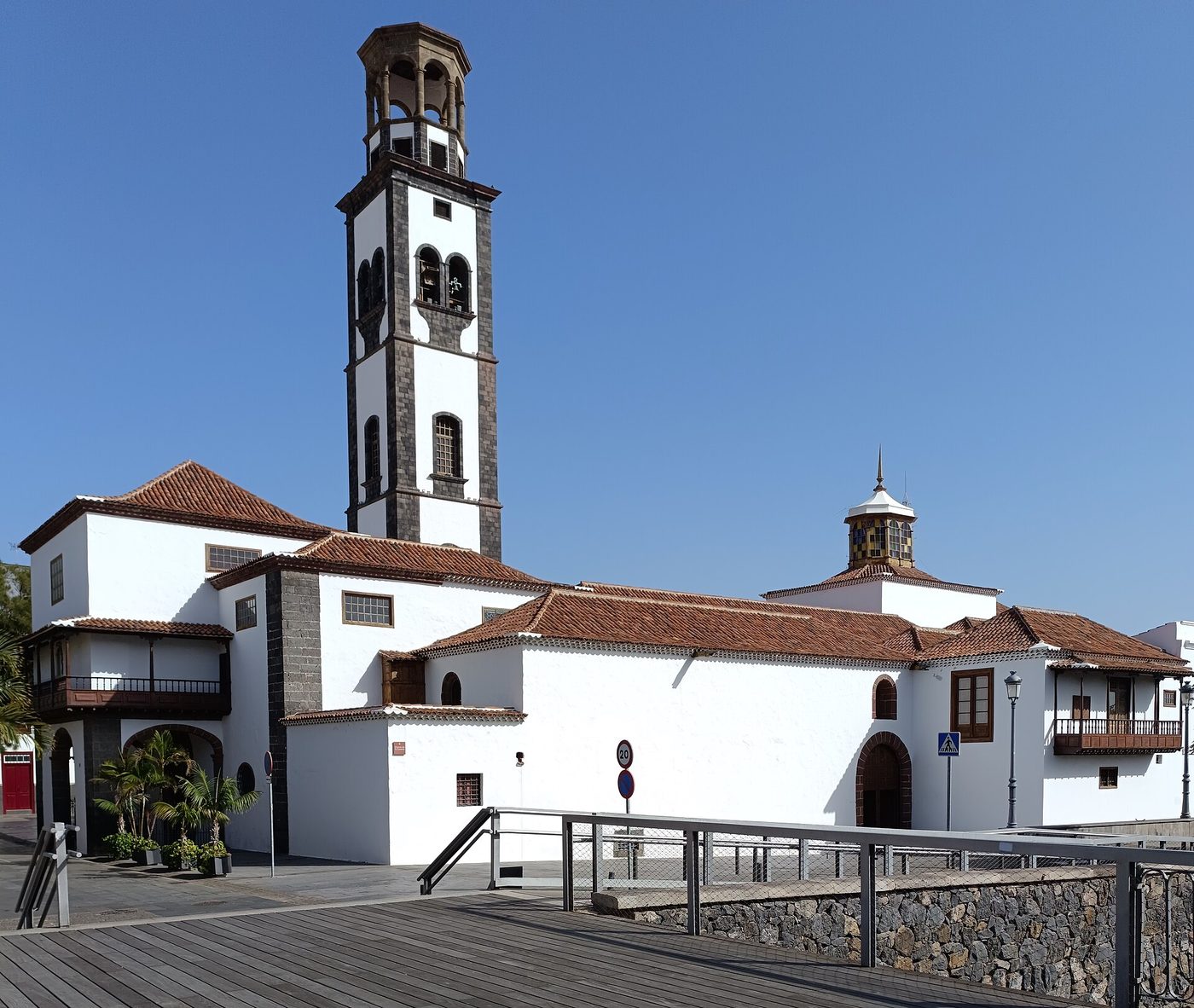
Santa Cruz de Tenerife · Towns of Tenerife
Santa Cruz: from army camp to capital
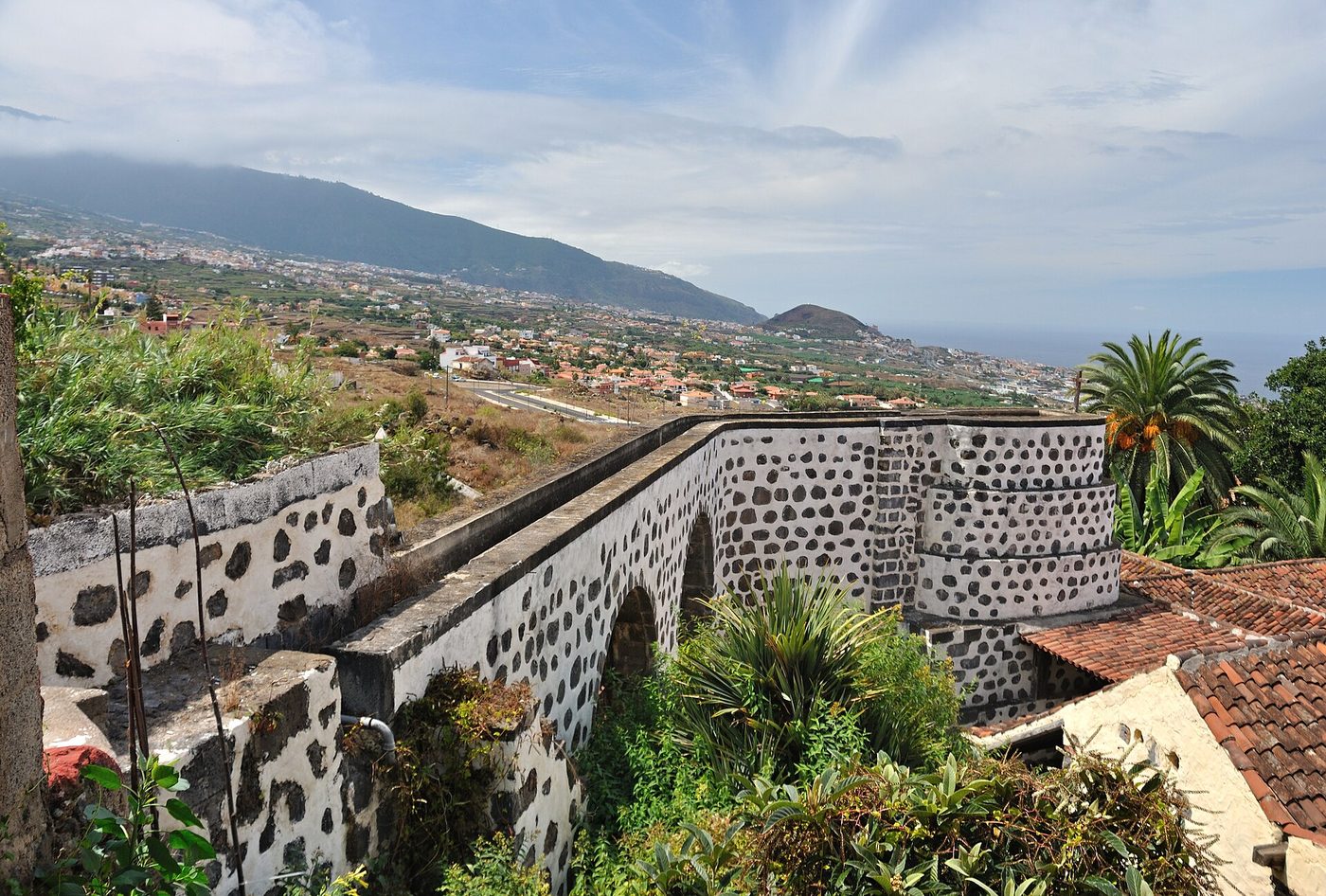
La Orotava · Towns of Tenerife
La Orotava: a town drawn with a cord
Adeje · Towns of Tenerife
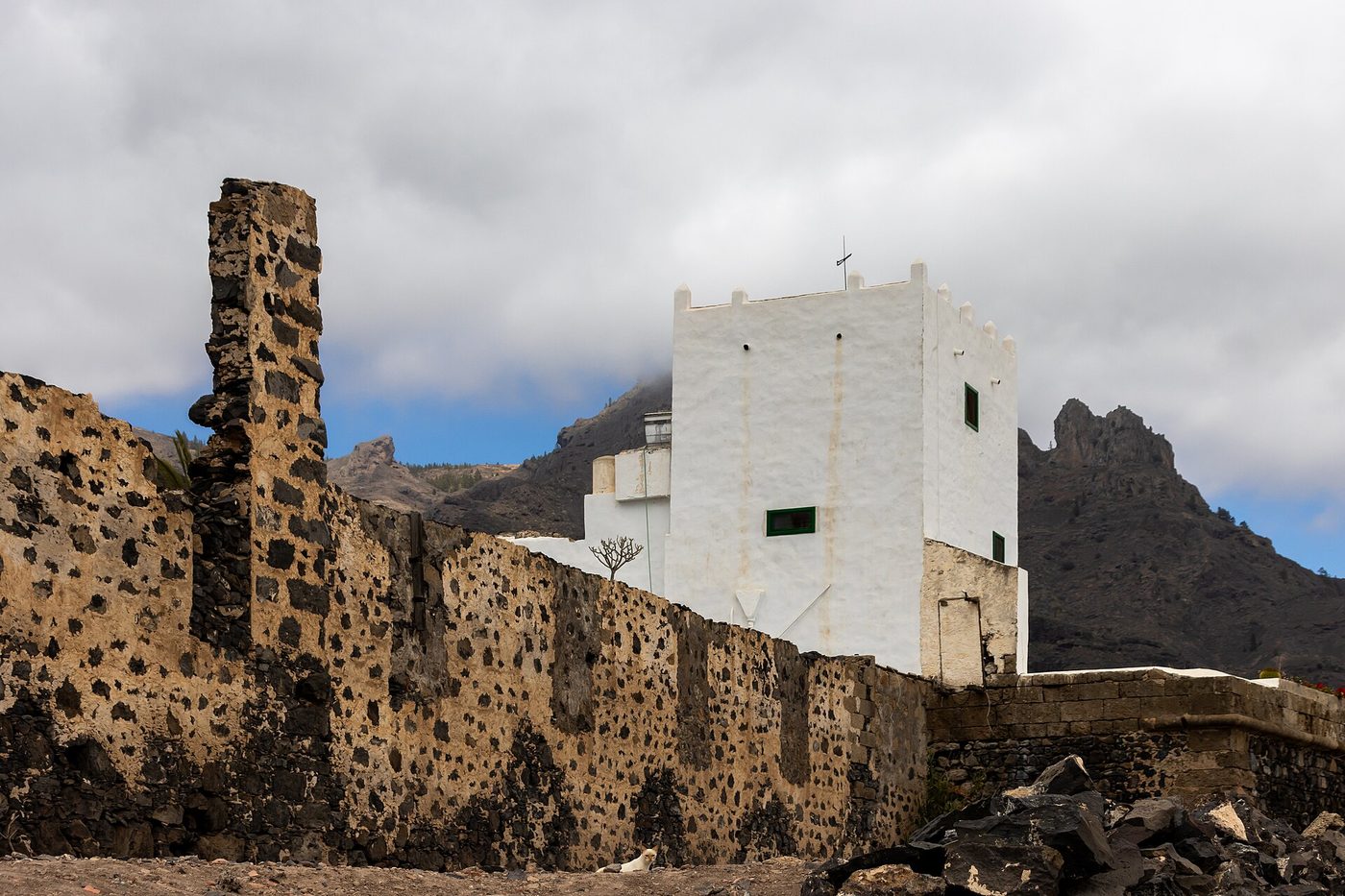
Adeje: the kingdom, the fortress and the marquises
Los Cristianos · Towns of Tenerife
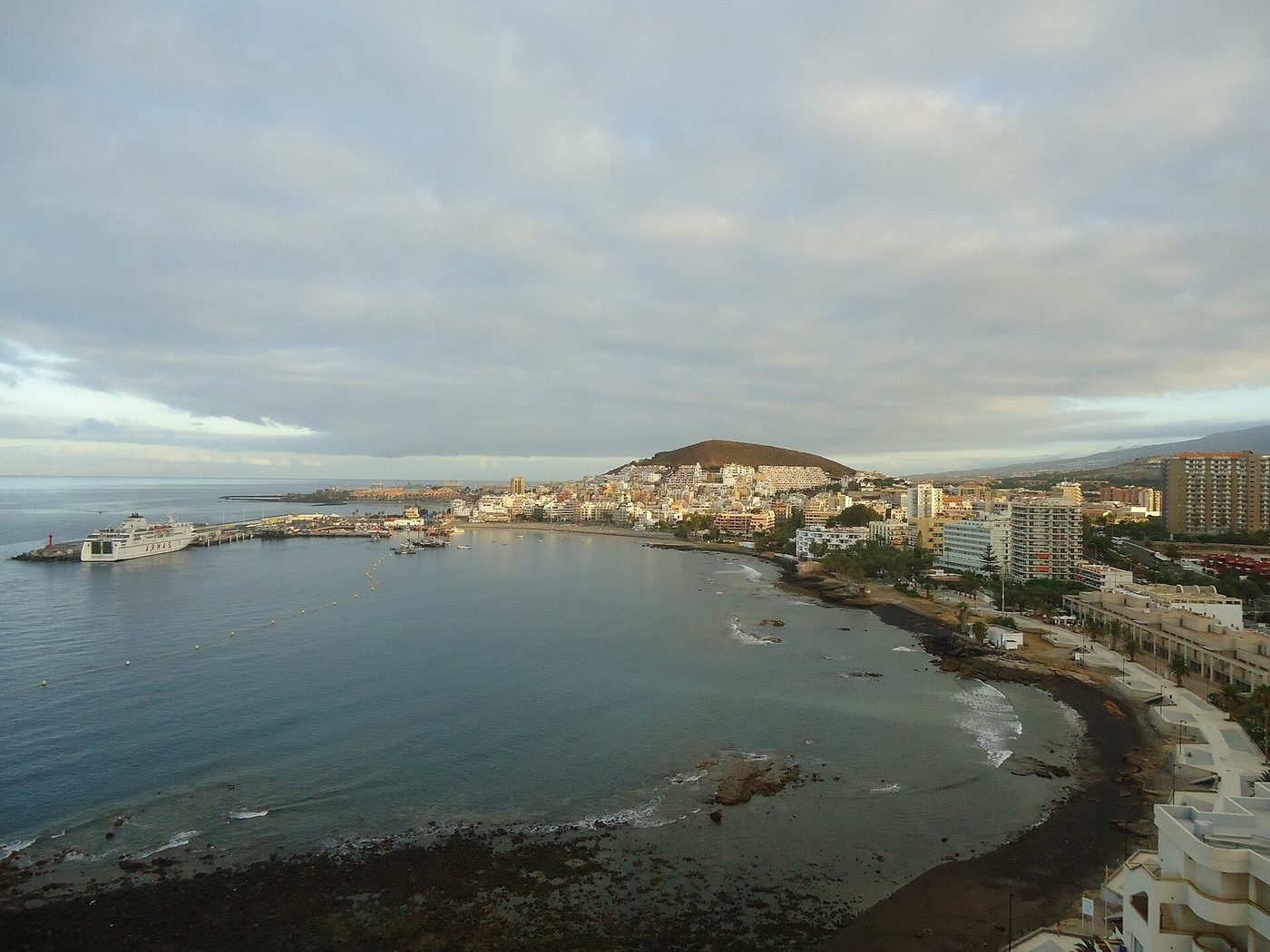
Los Cristianos: the south's harbour
Las Galletas · Towns of Tenerife
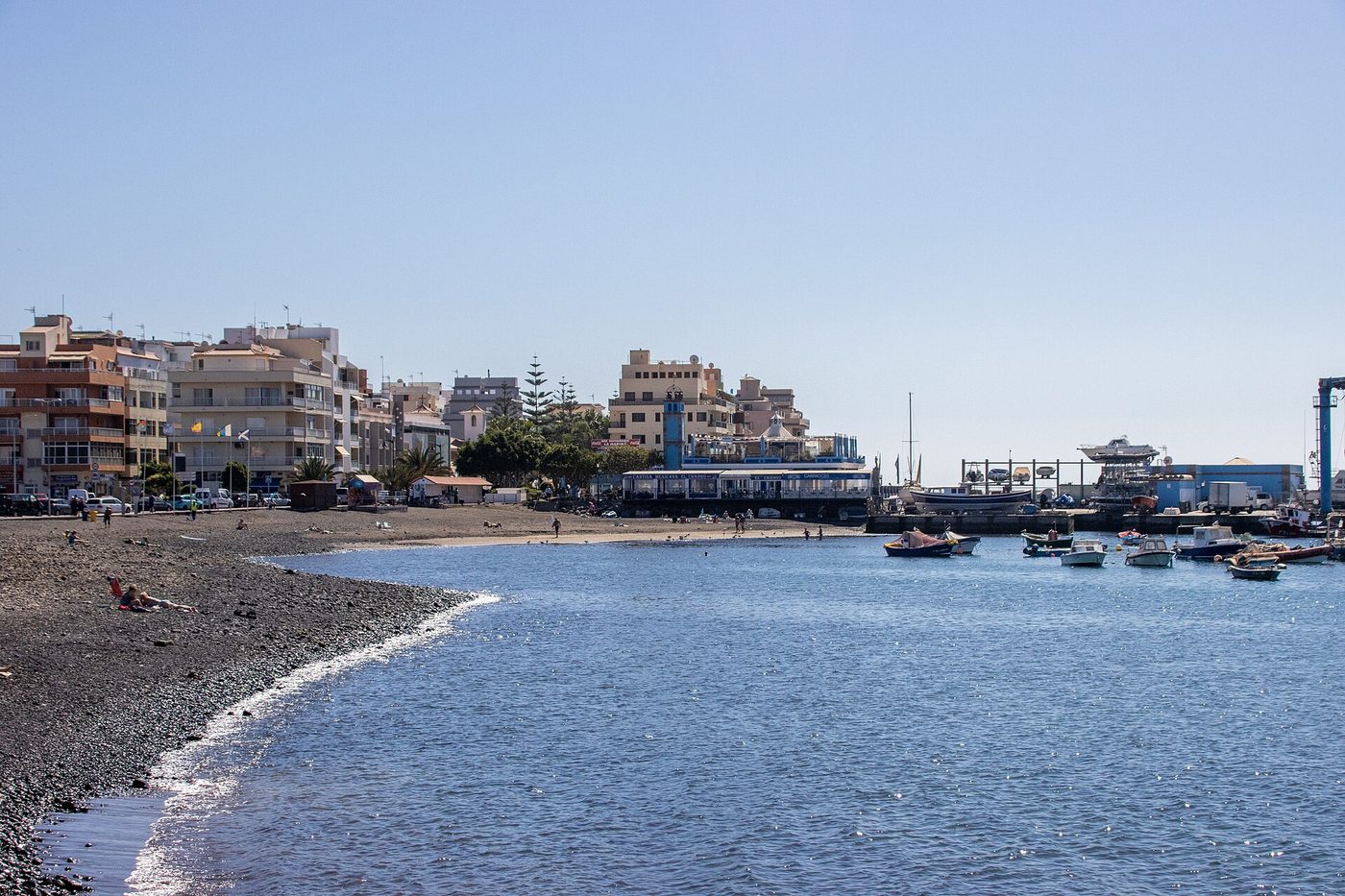
Las Galletas: salt, fish and a garden city
Playa de las Américas · Towns of Tenerife
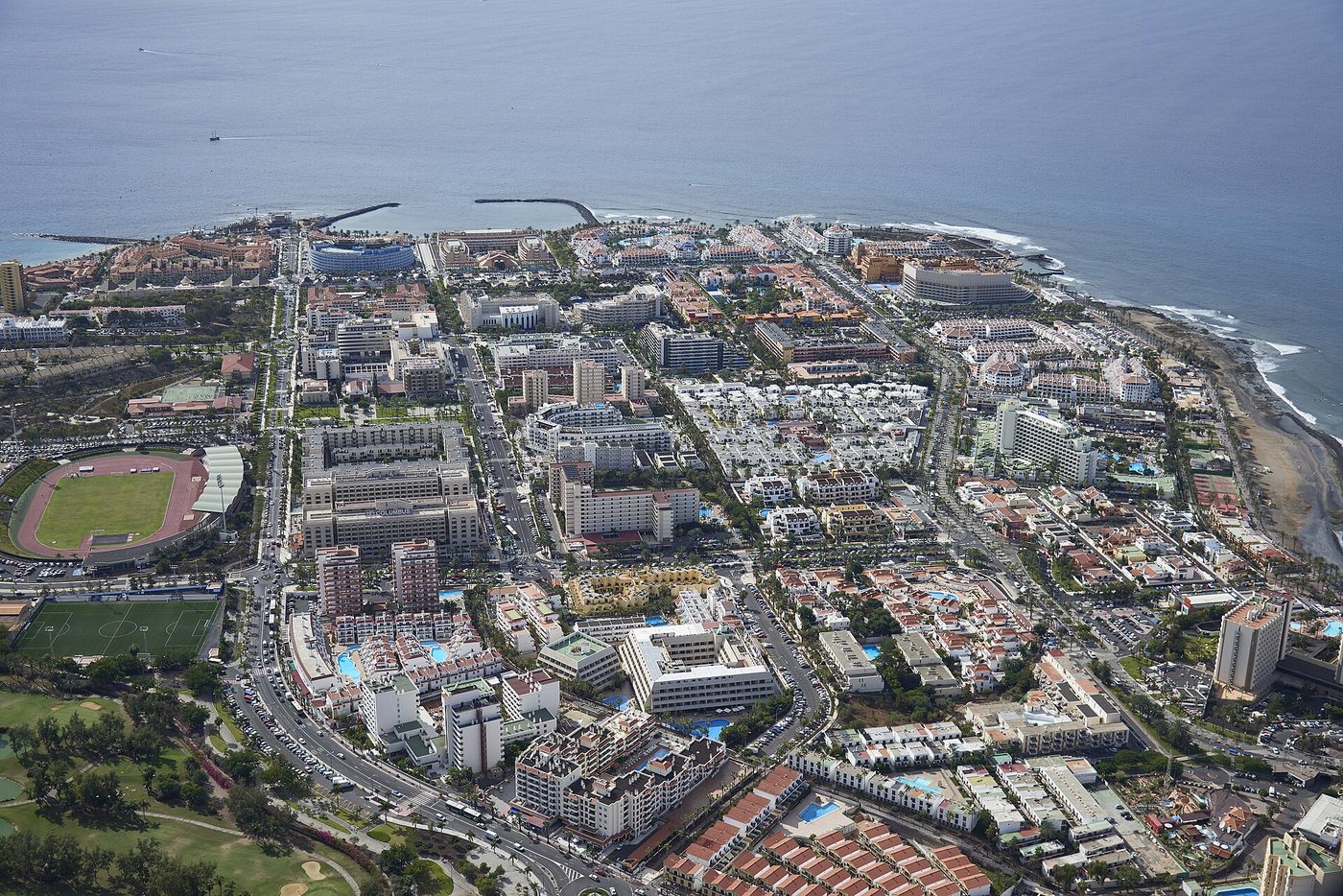
Playa de las Américas: a resort from scratch
Callao Salvaje · Towns of Tenerife
Callao Salvaje: a resort by decree
Playa Paraíso · Towns of Tenerife
Playa Paraíso: a paradise on paper
Guía de Isora · Towns of Tenerife
Guía de Isora: from Teide to the sea
Playa San Juan · Towns of Tenerife
Playa San Juan: Guía de Isora's harbour
Alcalá · Towns of Tenerife
Alcalá: a fishing village on the lava
Puerto Santiago · Towns of Tenerife
Puerto Santiago and Los Gigantes: life below the cliffs
El Médano · Towns of Tenerife
El Médano: the harbour under the red mountain
Icod de los Vinos · Towns of Tenerife
Icod de los Vinos: the dragon tree and the cove of San Marcos
Puerto de la Cruz · Towns of Tenerife
Puerto de la Cruz: from wine port to the first resort
San Juan de la Rambla · Towns of Tenerife
San Juan de la Rambla: a village on the badlands
Buenavista del Norte · Towns of Tenerife
Buenavista del Norte: a planned town at the end of the island