
San Juan de la Rambla · Towns of Tenerife
San Juan de la Rambla: a village on the badlands
Guanche caves in an old sea cliff, a Portuguese settler and his chapel on a lava field, wheat and malmsey, a storm in 1722 and a flood in 1826, a quarry that built the village, a gofio mill and a royal title in 1925. The story of a small town on the north coast.
5 min read · 5 sources · Updated October 2026
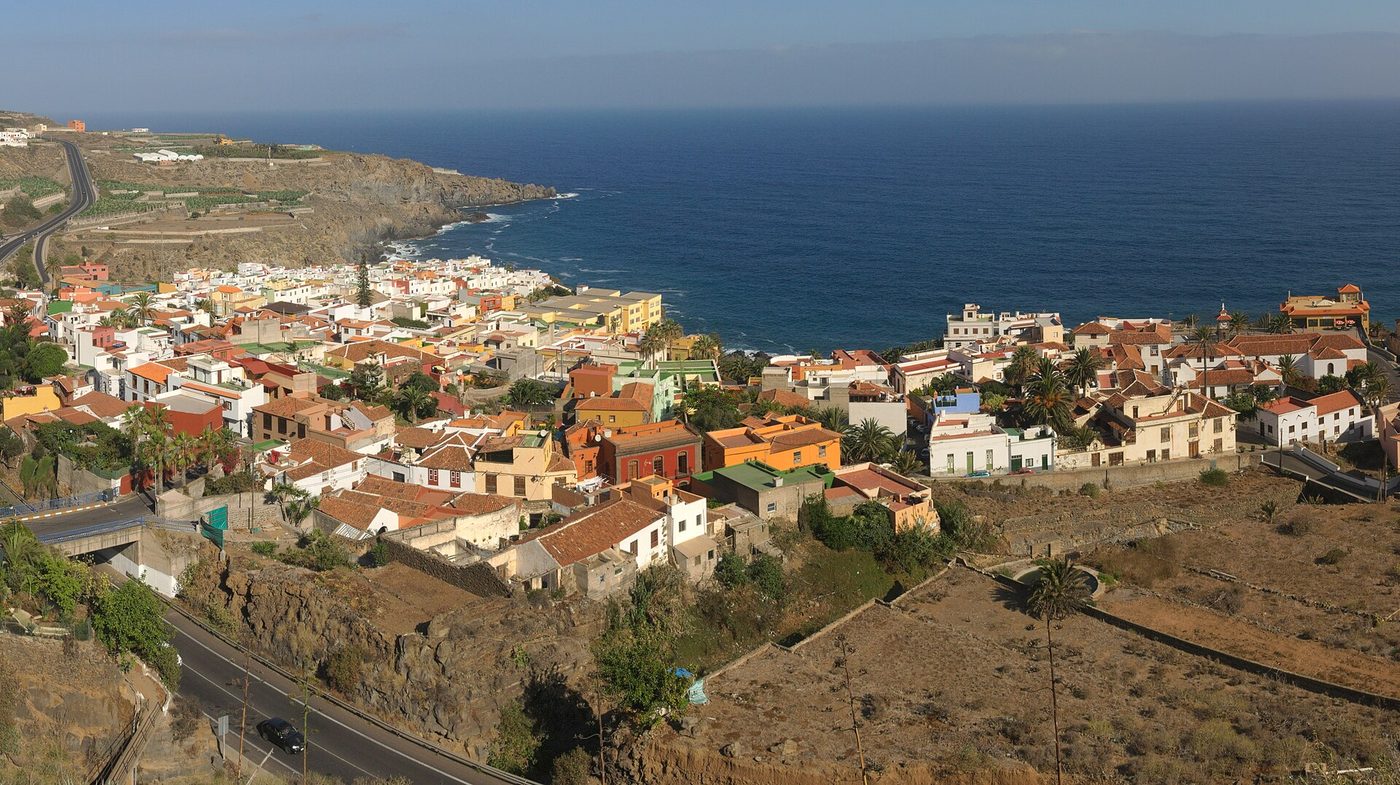
San Juan de la Rambla from Mazapé · Javier Sánchez Portero, CC BY-SA 3.0
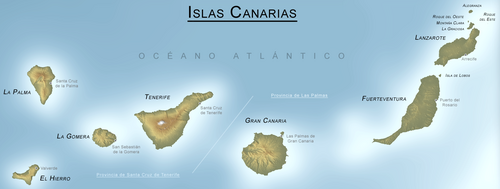
San Juan de la Rambla is a narrow strip of land on the north coast of Tenerife, about twenty square kilometres, running from the summits at some 2,000 metres down to the sea between Los Realejos and La Guancha.1 Its old centre sits on a coastal platform below a fossil sea cliff, and its history is that of a small farming community that grew around a chapel and lived from wheat, wine and stone.
Caves in the old cliff
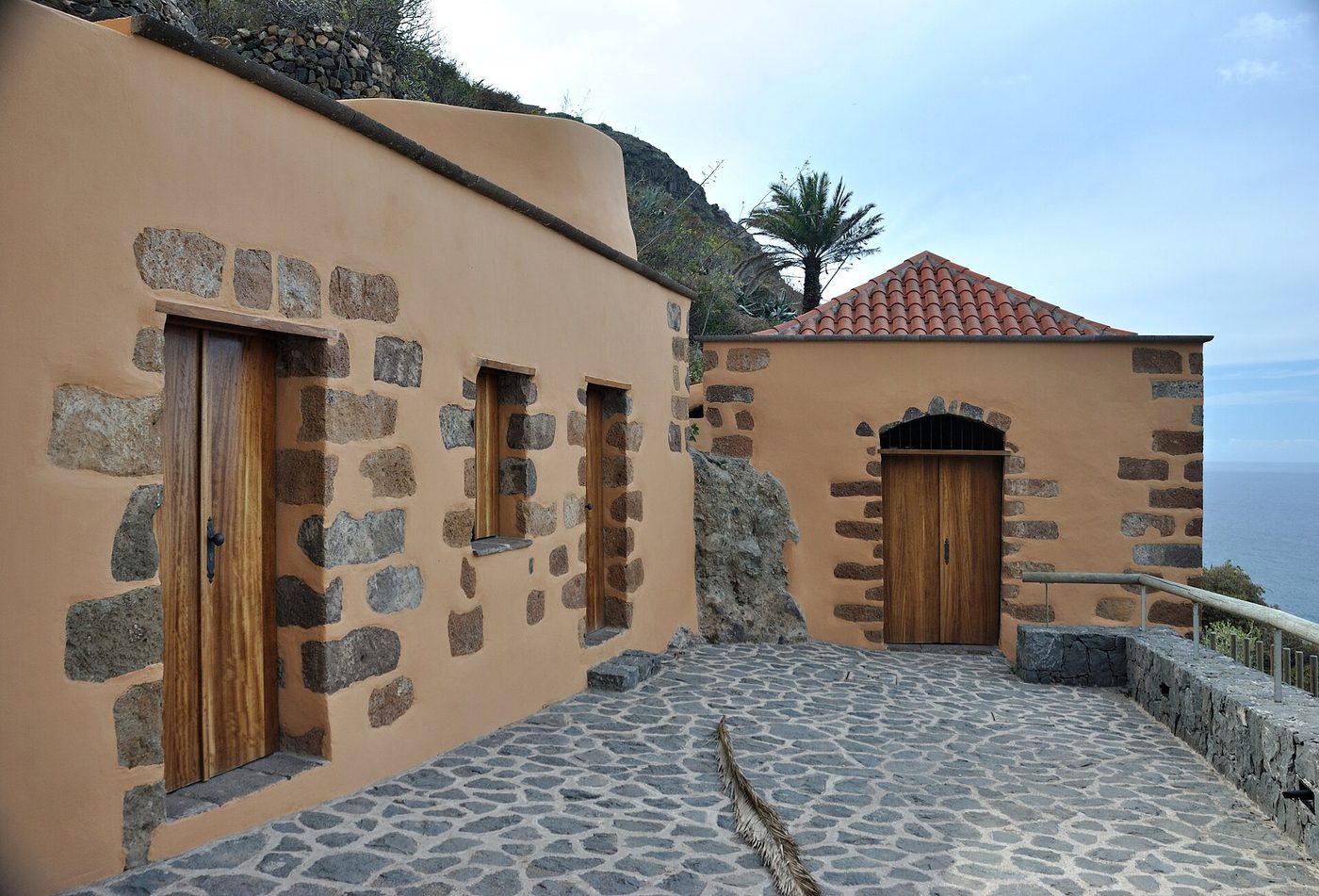
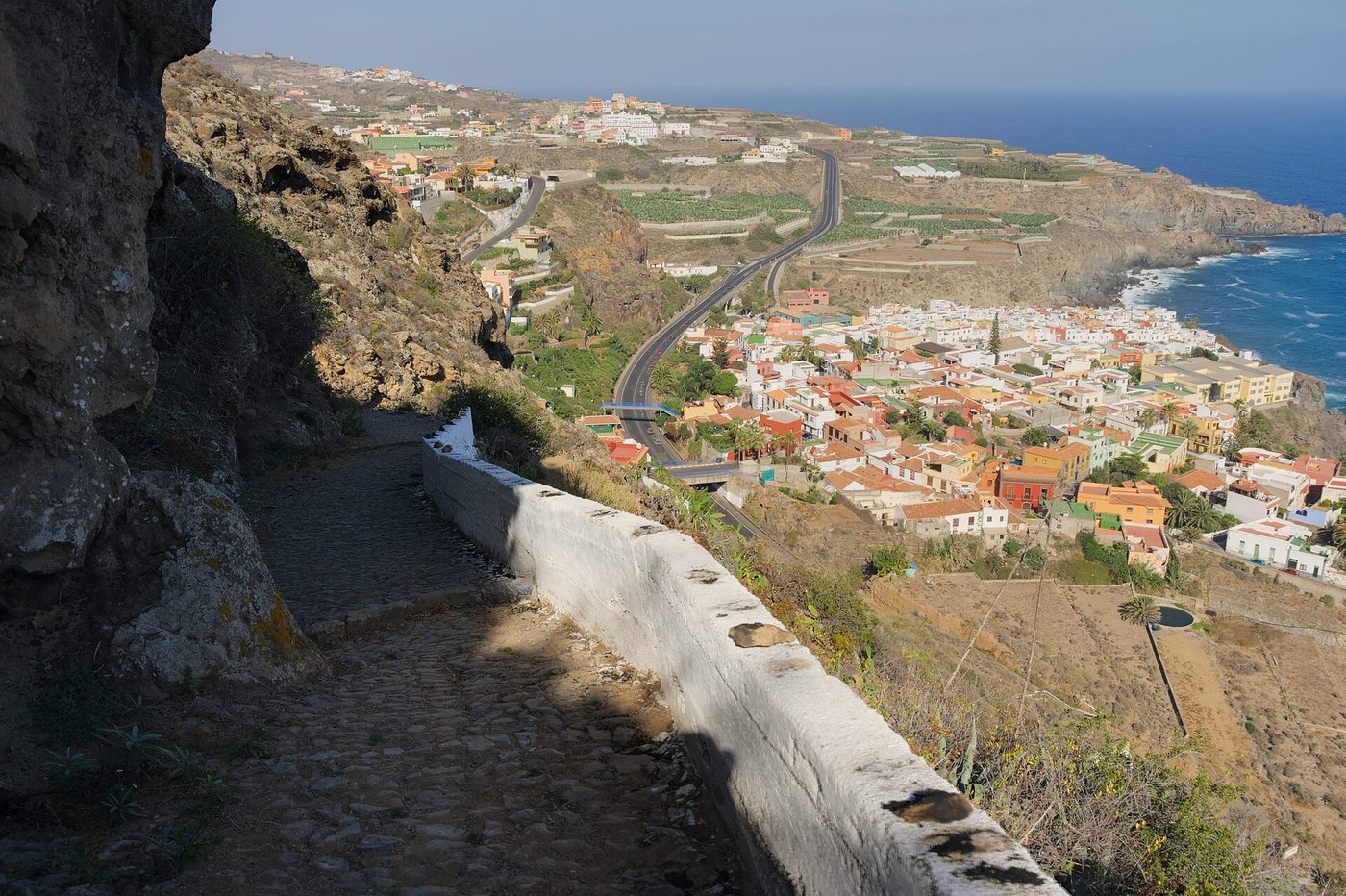
The cliff behind the village was home to the Guanches. Between the ravines of La Chaurera and Ruiz, the old sea cliff is full of natural caves, and excavations in the 1950s showed that many of them had been used as dwellings and as burial places; the whole area is now protected as an archaeological site.2 The path of Mazapé, which climbs the cliff above the village, passes an aboriginal cave and archaeological remains.3 The land below was a lava field, part of the Guanche kingdom of Icod, which is why the first settlement was called the badlands, the malpaís, of Icod.23
Saint John of the badlands
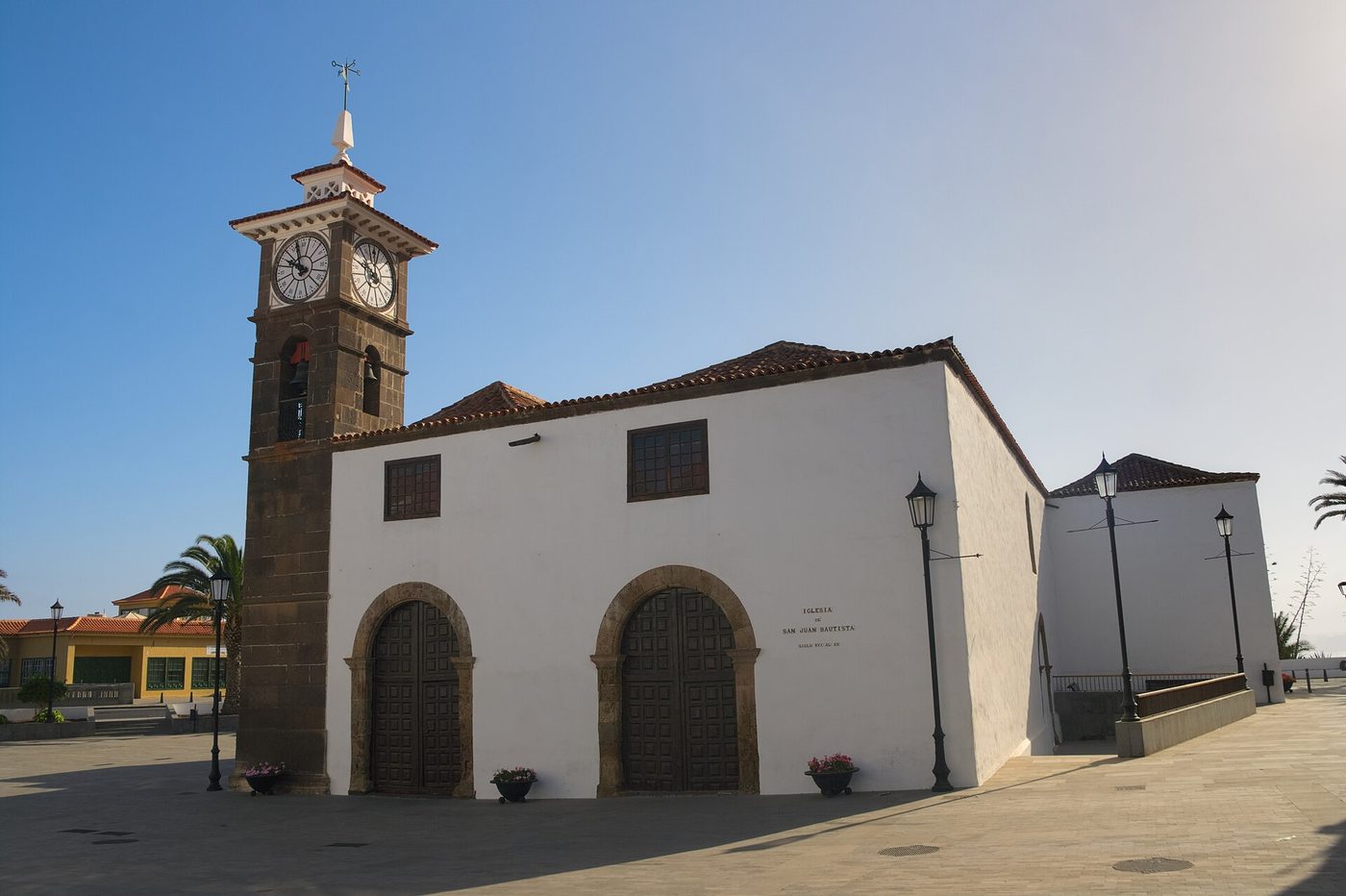
After the conquest a Portuguese settler, Martín Rodríguez, came to live on the lava field with his wife. Around 1530 he built a chapel to Saint John the Baptist beside his houses on the Camino Real, the old road along the north coast.12 His descendants and other families settled around it, drawn by the good soil and the mild climate, and the place became known as San Juan del Malpaís.1 By the middle of the sixteenth century it had taken its present name, which joins its two coastal hamlets, San Juan and La Rambla.13
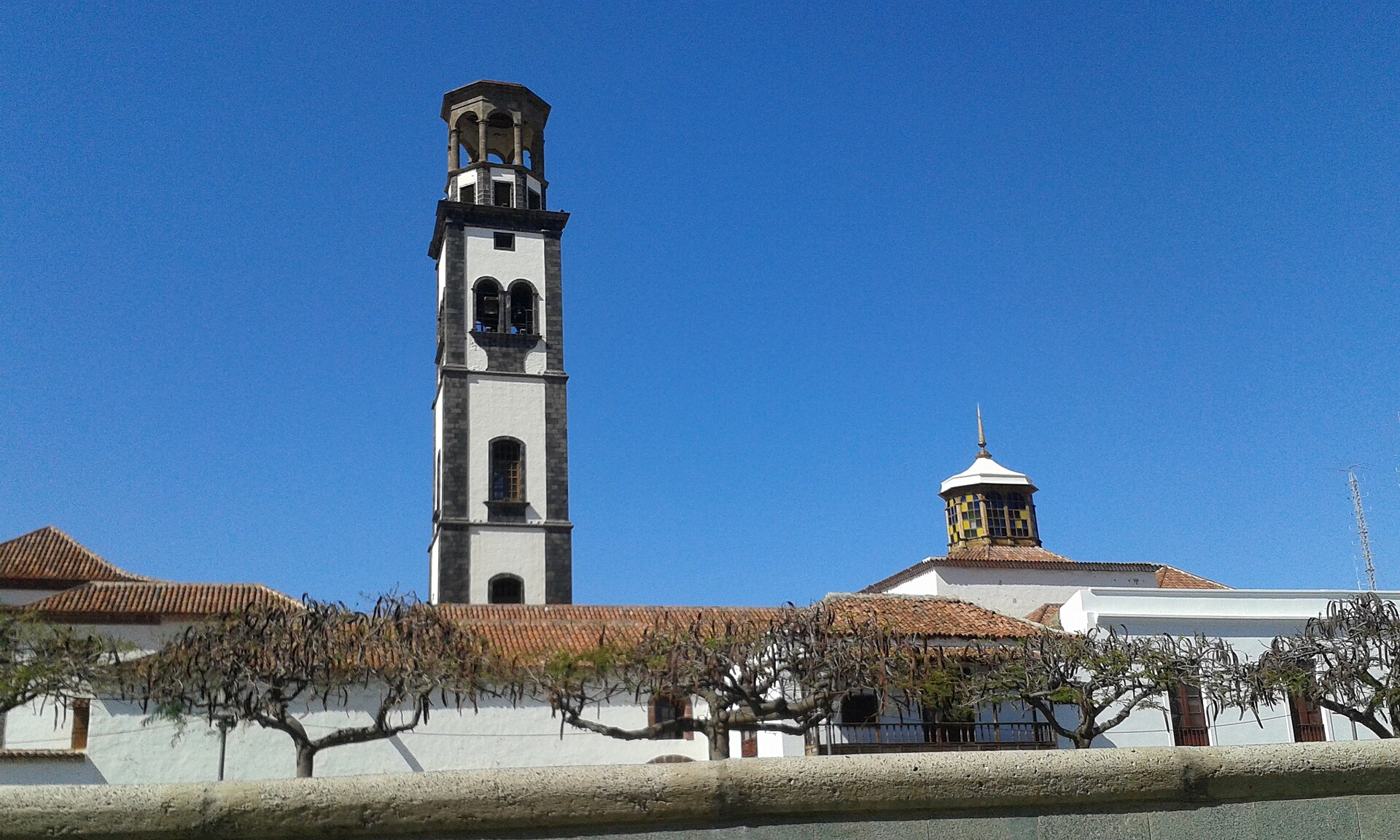
The chapel grew with the village. In 1542 the bishop allowed the sacraments to be given there, the first step towards a parish of its own; by 1558 the church of San Juan del Malpaís was working as a real parish, although it still depended formally on the parish of Realejo. A second nave, known as the Candelaria nave, was added in the seventeenth century.1 The parish boundaries, from the sea to the summit between the ravines of Ruiz and La Cantera, later became the boundaries of the municipality.1 In 1676 the historian Juan Núñez de la Peña described San Juan de la Rambla as a place "of many vineyards of malmsey", with a good parish, its own priest and its own mayor.3
Wheat, wine and stone
From the conquest until the early twentieth century, the life of the village turned on two crops, wheat and wine.5 Its small coves also counted among the minor harbours of the north-west, grouped in the records with the port of Garachico.4 The other resource was stone. Just west of the village lay a quarry of ignimbrite, a compact volcanic tuff, which supplied building stone for all kinds of work; the geologists of INVOLCAN note that the village's architectural heritage is directly linked to it.3 The doorways, corners and towers of its churches and houses are carved from that stone.13
The north coast is exposed, and the village suffered more than once. A great storm in 1722 took the roof off the church and undermined its foundations; rebuilding took four years and was paid for by the parishioners.1 The great flood of 1826 swept away the old calvary at the entrance to the village, and only its cross survived.1 A new cemetery was finished in 1851 at the edge of the village, with land and money from the family of the parish priest, Basilio Oramas, and the parishioners built a new calvary beside it.1
Higher up, farming families on the slopes asked for generations for a chapel of their own, since the walk down to San Juan was long. The chapel of San José, recorded from 1791 and enlarged between 1798 and 1804, gave its name to the area once known as Icod de los Trigos, "Icod of the wheat", and later became a parish.12 On the same slopes, the hamlet of Los Quevedos preserves about fifteen traditional rural houses, and the water mill of Risco de las Pencas ground gofio, the toasted grain flour of the islands, until 1942.12
A villa by the sea
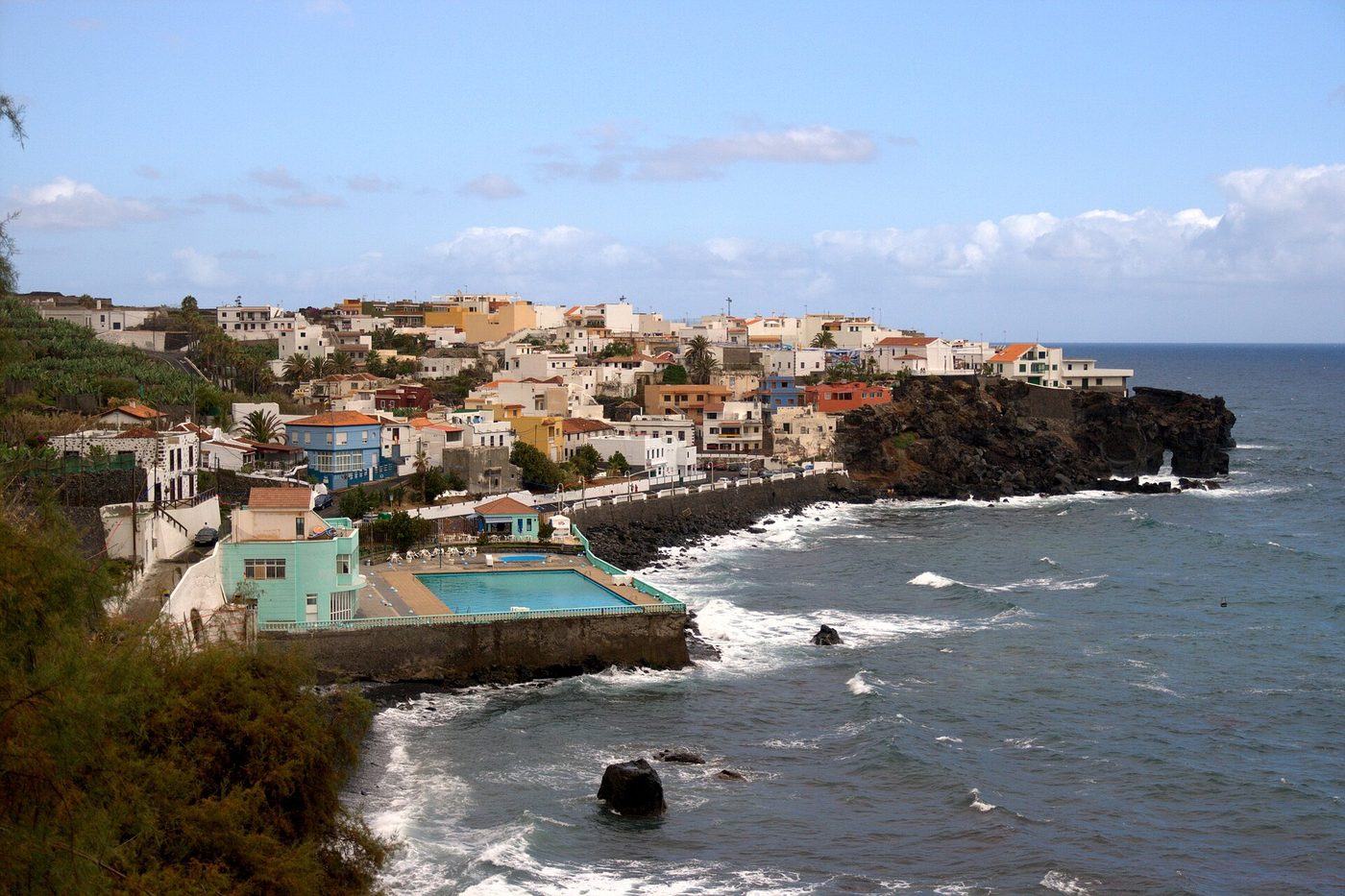
In 1925 King Alfonso XIII granted San Juan de la Rambla the title of villa.1 Today bananas cover the coastal terraces, with three packing sheds in the old centre, while potatoes, vines and orchards dominate the slopes.5 Today most residents work outside the municipality, and the coast at Las Aguas, with its natural pools, old landing place and restaurants, draws visitors passing along the north coast.35 The old centre around the Plaza Vieja, with houses of the seventeenth and eighteenth centuries, is protected as a historic site.2
Notes and sources
- 1.Ayuntamiento de San Juan de la Rambla, "Municipio" and heritage pages (Iglesia de San Juan Bautista, Calvario, Cementerio eclesiástico, Ermita y Parroquia de San José, Los Quevedos, Molino Risco de Las Pencas). sanjuandelarambla.es
- 2.Cabildo de Tenerife, Patrimonio Histórico de Tenerife. Catálogo de Bienes de Interés Cultural, 2018 (entries for the historic centre of San Juan de la Rambla, the church of San José, the Barrio de Los Quevedos, the gofio mill of Risco de las Pencas and the archaeological zone of the cliff of San Juan de la Rambla and the ravines of La Chaurera and Ruiz). tenerife.es
- 3.INVOLCAN, Geoturismo urbano de Tenerife: San Juan de la Rambla, 2019 (includes the quotation from J. Núñez de la Peña, 1676). tfgeoturismo.involcan.org
- 4.A. Mederos Martín and G. Escribano Cobo, "Prospección arqueológica de la Caleta de San Marcos (Icod de los Vinos, Tenerife)", Canarias Arqueológica 20 (2014), pp. 9-62 (after M. Rodríguez Yanes, 1988, on the ports grouped under Garachico). museosdetenerife.org
- 5.C. M. Padilla Hernández, Recursos y servicios para el desarrollo de los pequeños municipios de Canarias. El caso de San Juan de la Rambla, final degree project in Geography, Universidad de La Laguna, 2017. riull.ull.es
What's on in San Juan de la Rambla now →
Fiestas, concerts and events from the town hall agenda, updated daily.
More towns in the series
La Laguna · Towns of Tenerife
San Cristóbal de La Laguna: a town planned for peace
Garachico · Towns of Tenerife
Garachico: the port the volcano took
Bajamar · Towns of Tenerife
Bajamar and Punta del Hidalgo: La Laguna's shore
Candelaria · Towns of Tenerife
Candelaria: the shrine on the shore
Santa Cruz de Tenerife · Towns of Tenerife
Santa Cruz: from army camp to capital
La Orotava · Towns of Tenerife
La Orotava: a town drawn with a cord
Adeje · Towns of Tenerife
Adeje: the kingdom, the fortress and the marquises
La Caleta · Towns of Tenerife
La Caleta: Adeje's old harbour
Los Cristianos · Towns of Tenerife
Los Cristianos: the south's harbour
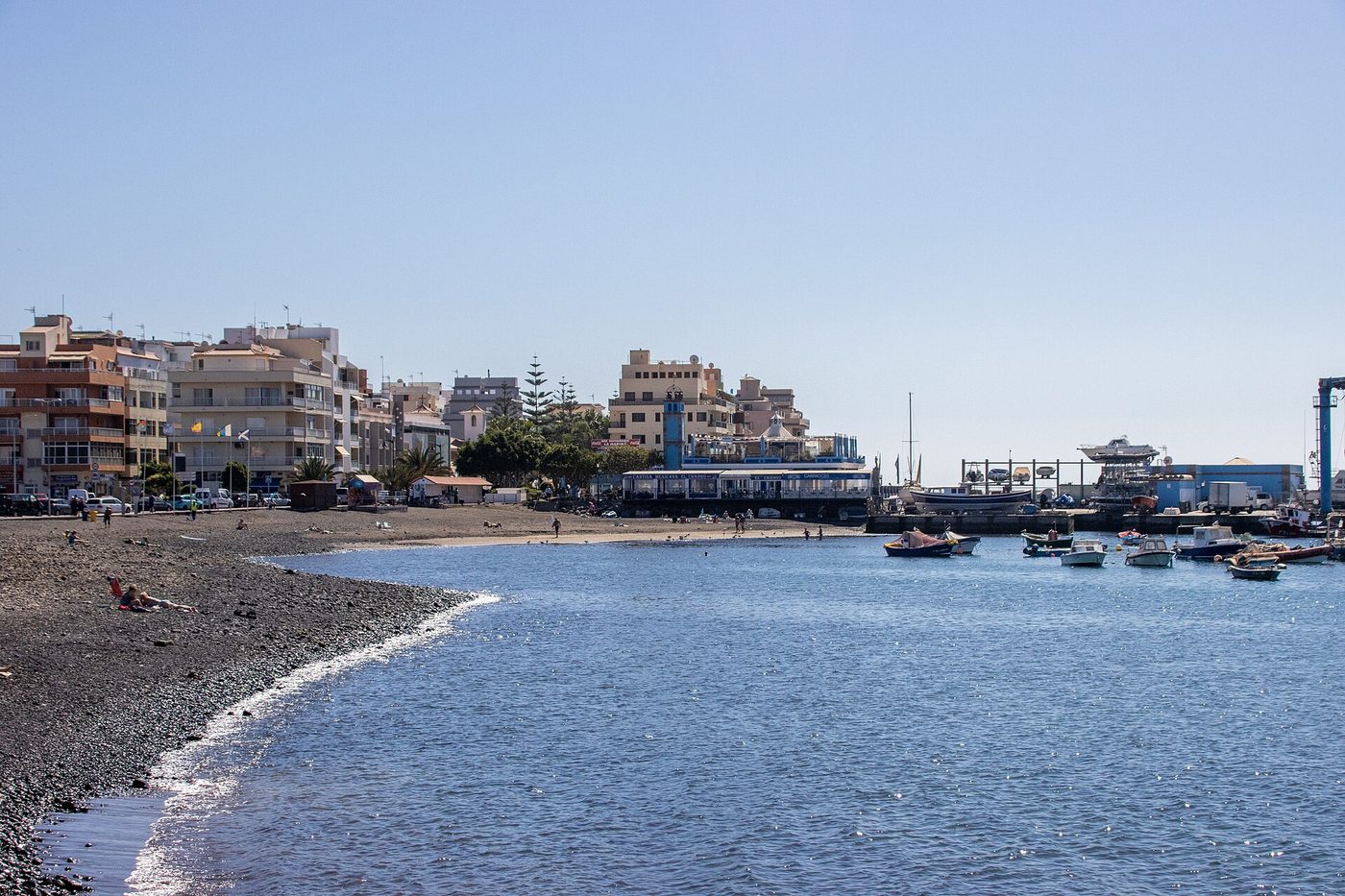
Las Galletas · Towns of Tenerife
Las Galletas: salt, fish and a garden city
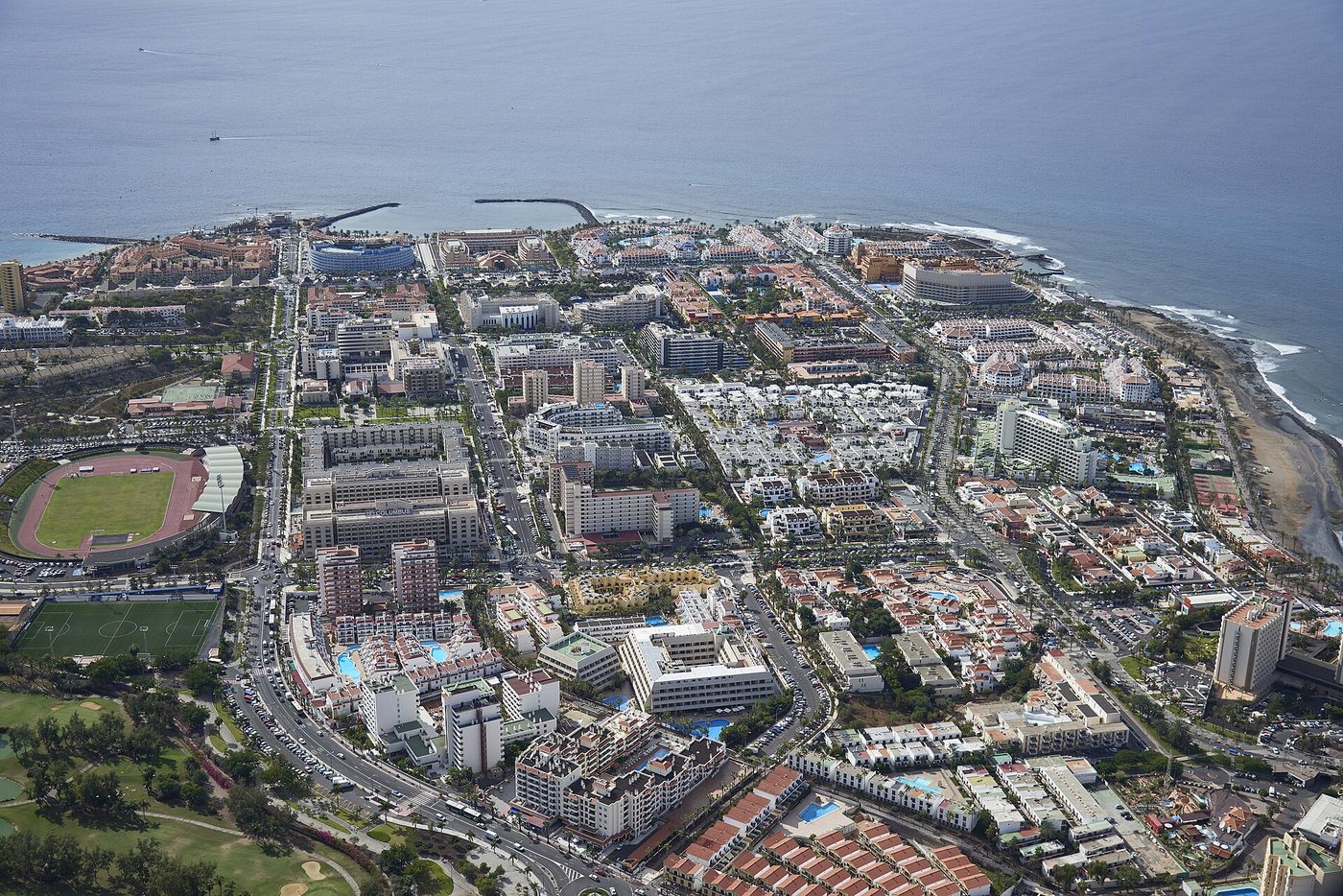
Playa de las Américas · Towns of Tenerife
Playa de las Américas: a resort from scratch
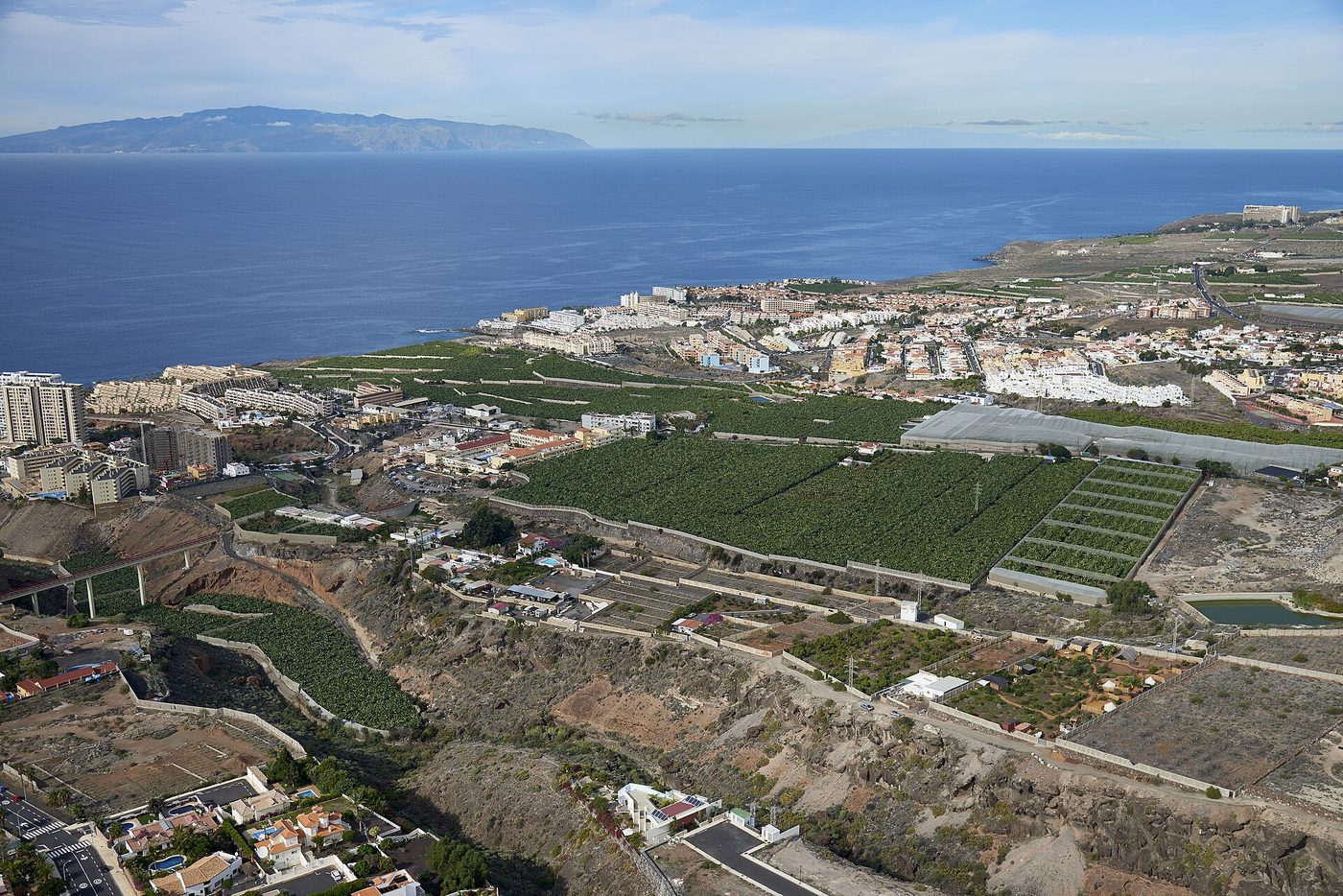
Callao Salvaje · Towns of Tenerife
Callao Salvaje: a resort by decree
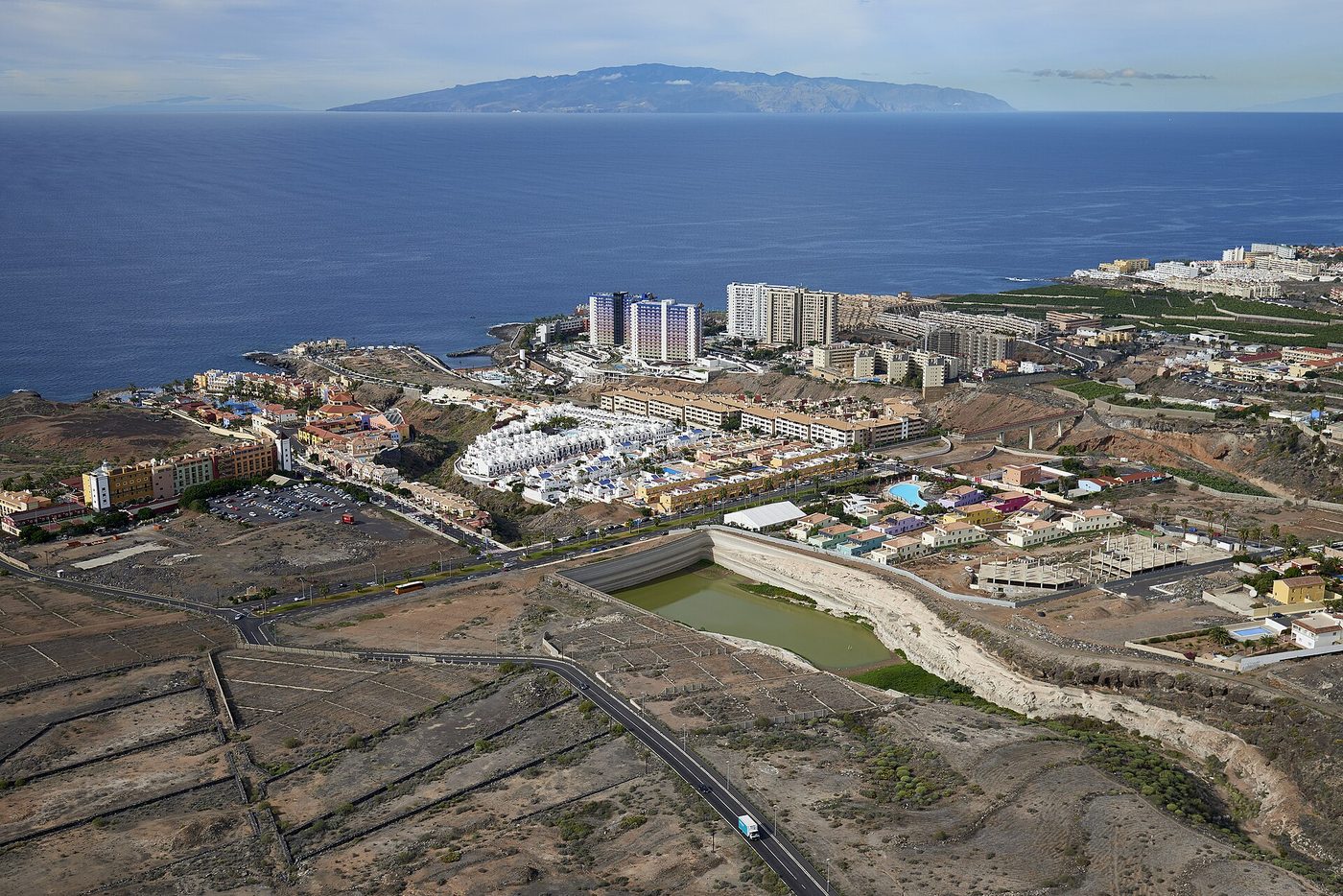
Playa Paraíso · Towns of Tenerife
Playa Paraíso: a paradise on paper
Guía de Isora · Towns of Tenerife
Guía de Isora: from Teide to the sea
Playa San Juan · Towns of Tenerife
Playa San Juan: Guía de Isora's harbour
Alcalá · Towns of Tenerife
Alcalá: a fishing village on the lava
Puerto Santiago · Towns of Tenerife
Puerto Santiago and Los Gigantes: life below the cliffs
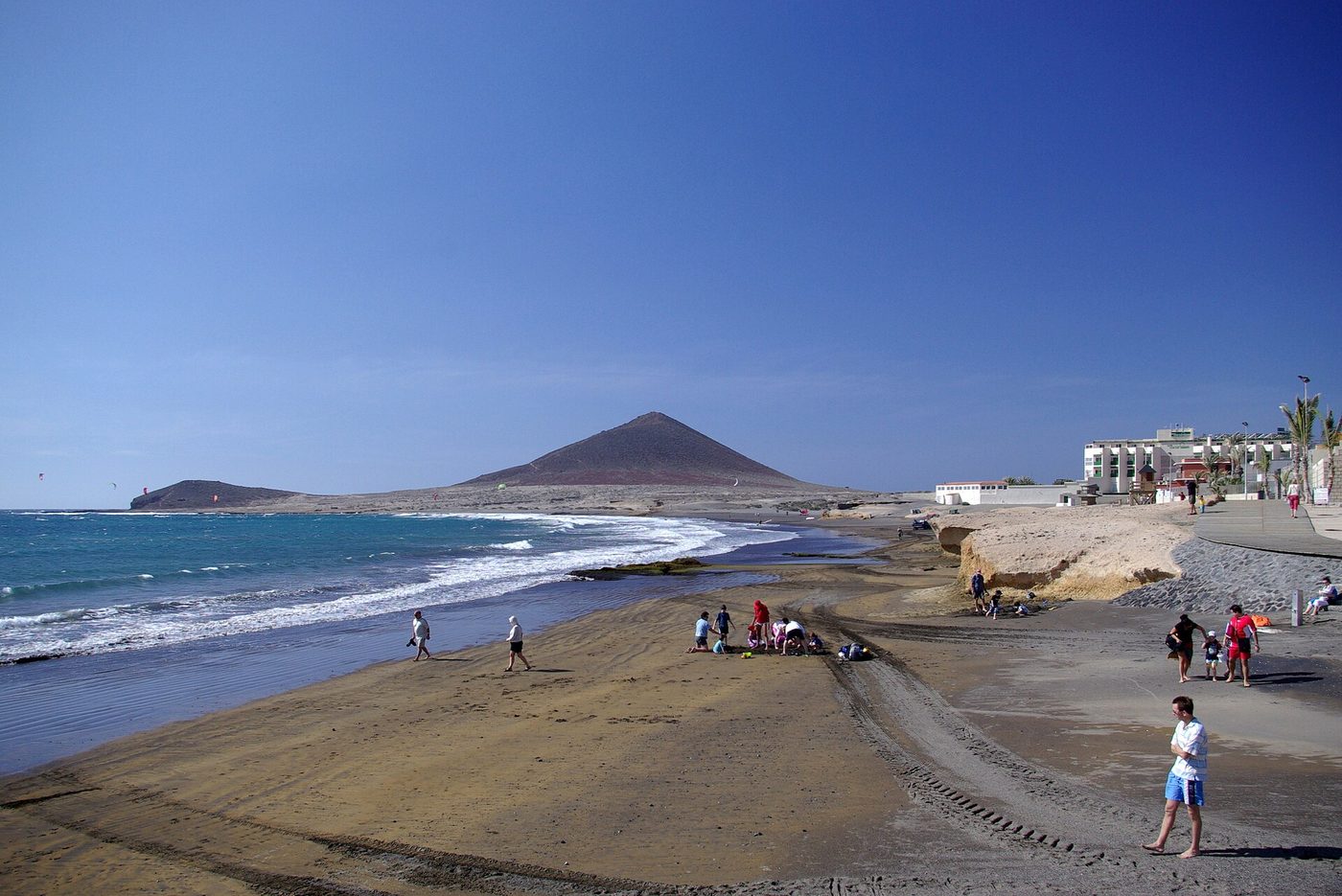
El Médano · Towns of Tenerife
El Médano: the harbour under the red mountain
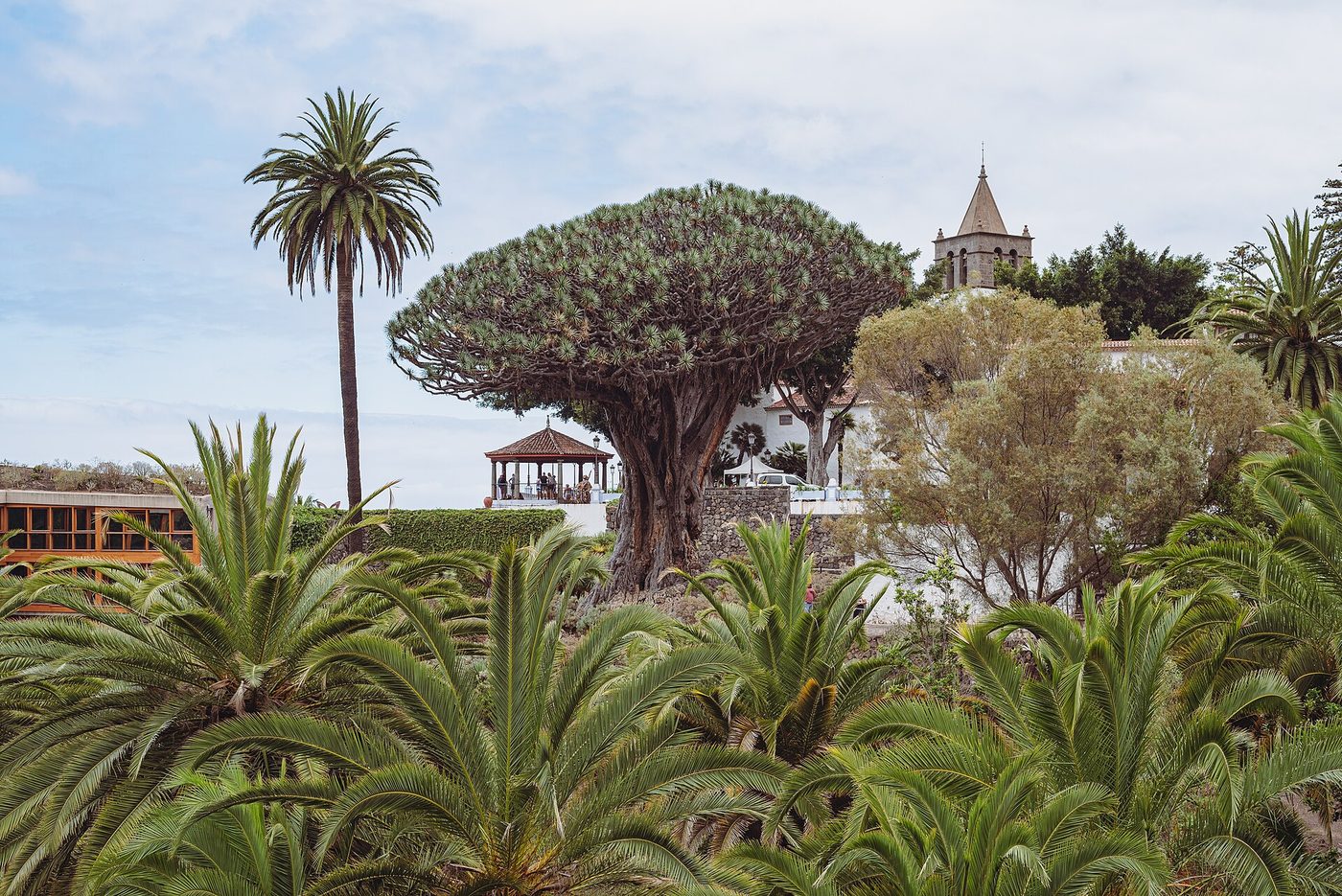
Icod de los Vinos · Towns of Tenerife
Icod de los Vinos: the dragon tree and the cove of San Marcos
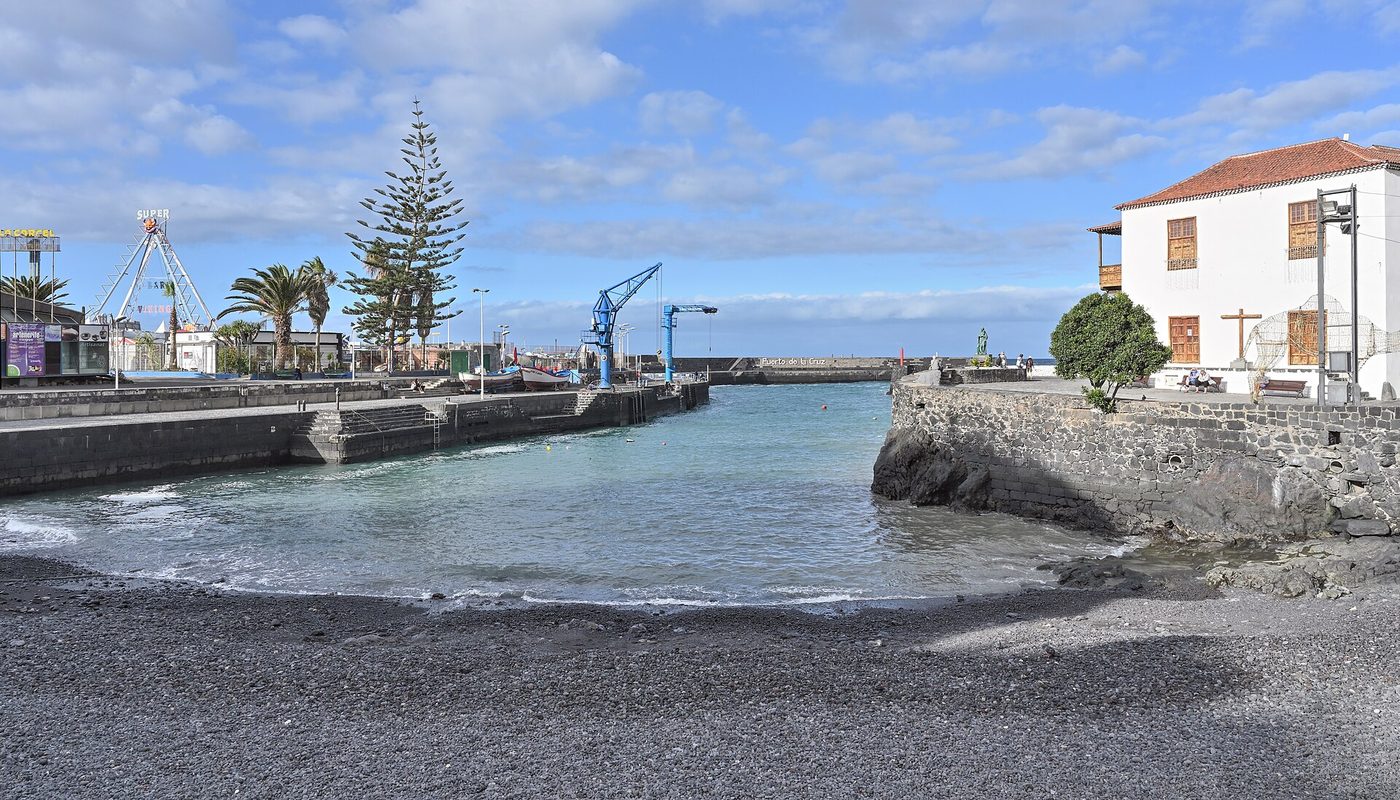
Puerto de la Cruz · Towns of Tenerife
Puerto de la Cruz: from wine port to the first resort
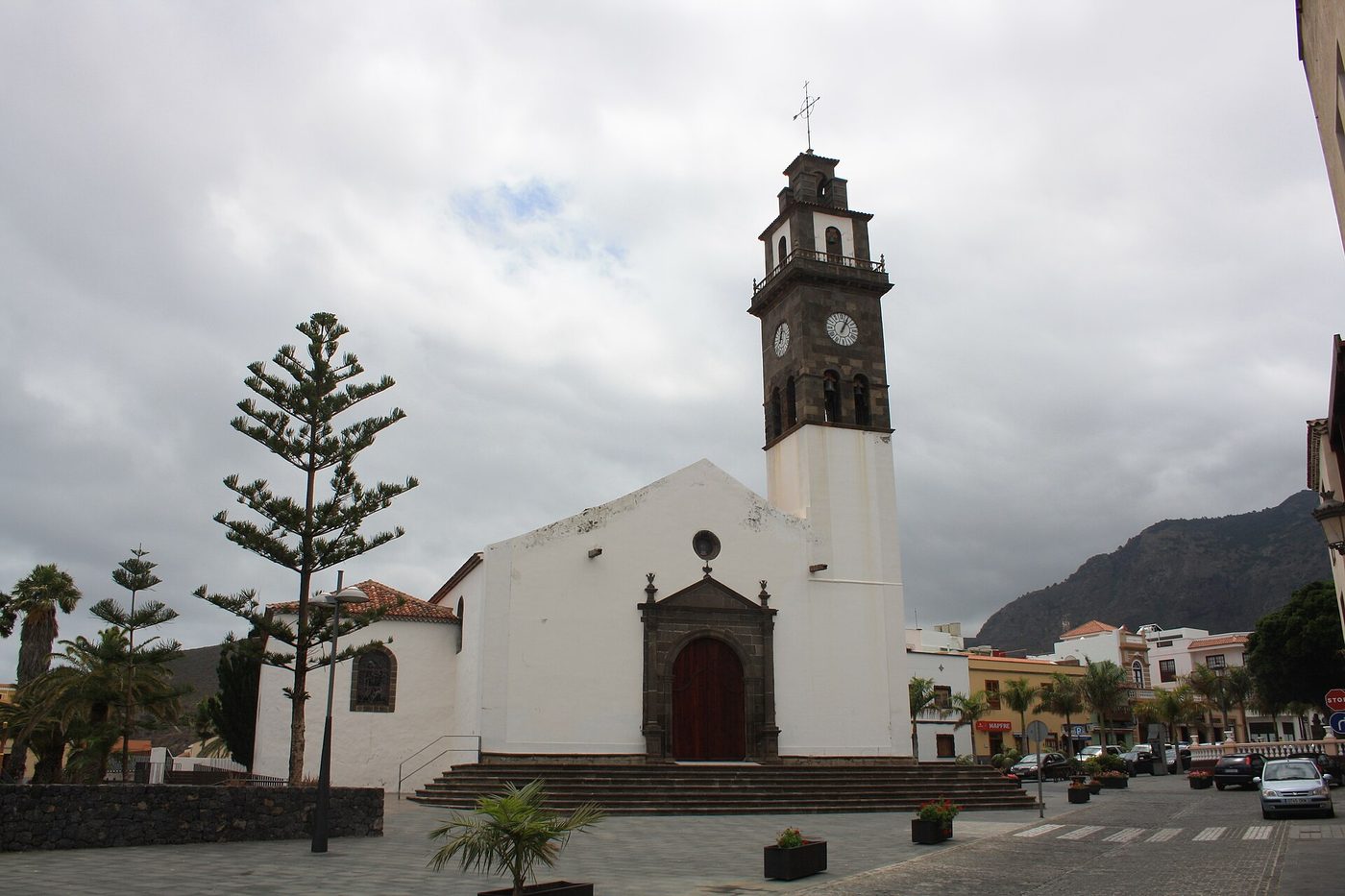
Buenavista del Norte · Towns of Tenerife
Buenavista del Norte: a planned town at the end of the island